Bangladesh’s Khalilur Rahman elected UN General Assembly president
Bangladesh's Foreign Minister Khalilur Rahman was elected president of the 81st UN General Assembly session, beginning a one-year term amid challenges to m…
Lauren Collins ·
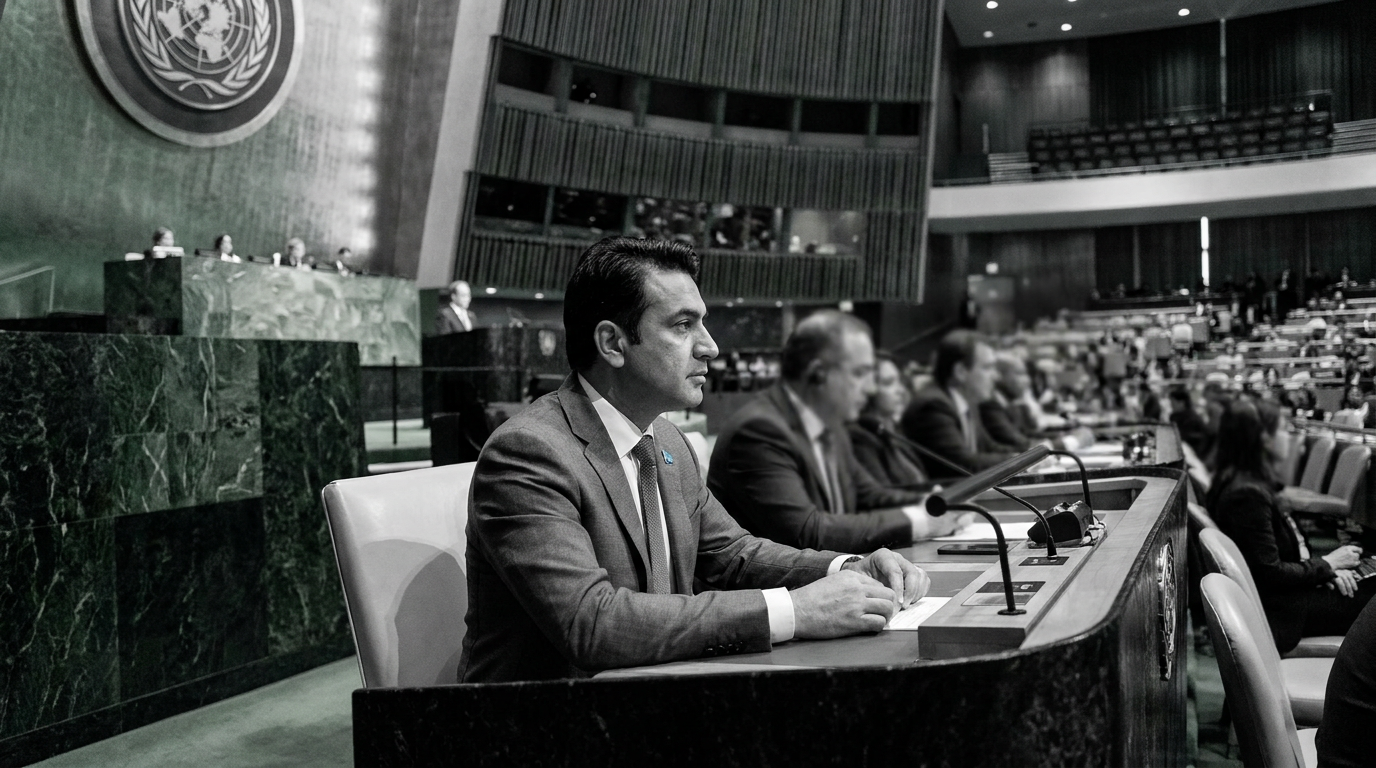
Bangladesh Foreign Minister Khalilur Rahman was elected president of the 81st session of the United Nations General Assembly on Tuesday, June 3, 2026, at UN headquarters in New York. He won a secret-ballot vote against Cyprus’s Ambassador Andreas Kakouris. Rahman will serve a one-year term beginning Sept. 8, when the new General Assembly session opens.
Rahman received 99 votes to Kakouris’s 91, with 190 ballots cast and no invalid votes or abstentions. The presidency of the General Assembly rotates among the UN’s five regional groups, and the 81st session was allocated to the Asia-Pacific group.
The role is largely procedural but can shape the agenda and tone of debates in the UN’s most representative body, where all 193 member states have one vote. The annual high-level gathering in September is the only UN forum where leaders from every country can address the full membership.
Session to overlap UN secretary-general selection
Rahman’s term will coincide with the selection process for the next UN secretary-general. Secretary-General Antonio Guterres’s term expires at the end of 2026, and the General Assembly appoints the secretary-general on the recommendation of the UN Security Council.
In addition to that appointment, the General Assembly elects the non-permanent members of the Security Council and approves the UN budget. While its resolutions are generally not legally binding, the body is a central forum for international deliberation on issues including security and human rights.
UN leadership warns of growing strain on multilateralism
Rahman takes the post as the UN faces increased scrutiny and challenges to multilateralism. Outgoing General Assembly President Annalena Baerbock said trust in international cooperation is under growing strain and that consensus among member states has become harder to achieve.
Rahman is a career diplomat who joined Bangladesh’s foreign service in 1979 and has held senior UN positions in New York and Geneva, according to information cited in the source material. He previously served as Bangladesh’s national security adviser and as a high representative on the Rohingya issue before becoming foreign minister.
The coming General Assembly session opens Sept. 8, with diplomats expected to focus on the secretary-general succession process alongside other priorities set by member states.