Istanbul Hub Targets Thousands of Tech Entrepreneurs
A new 4,200 m² campus in Istanbul's Maslak district will support gaming and creative tech startups with infrastructure, mentorship, and investor access.
Cuneyd Erdogan ·
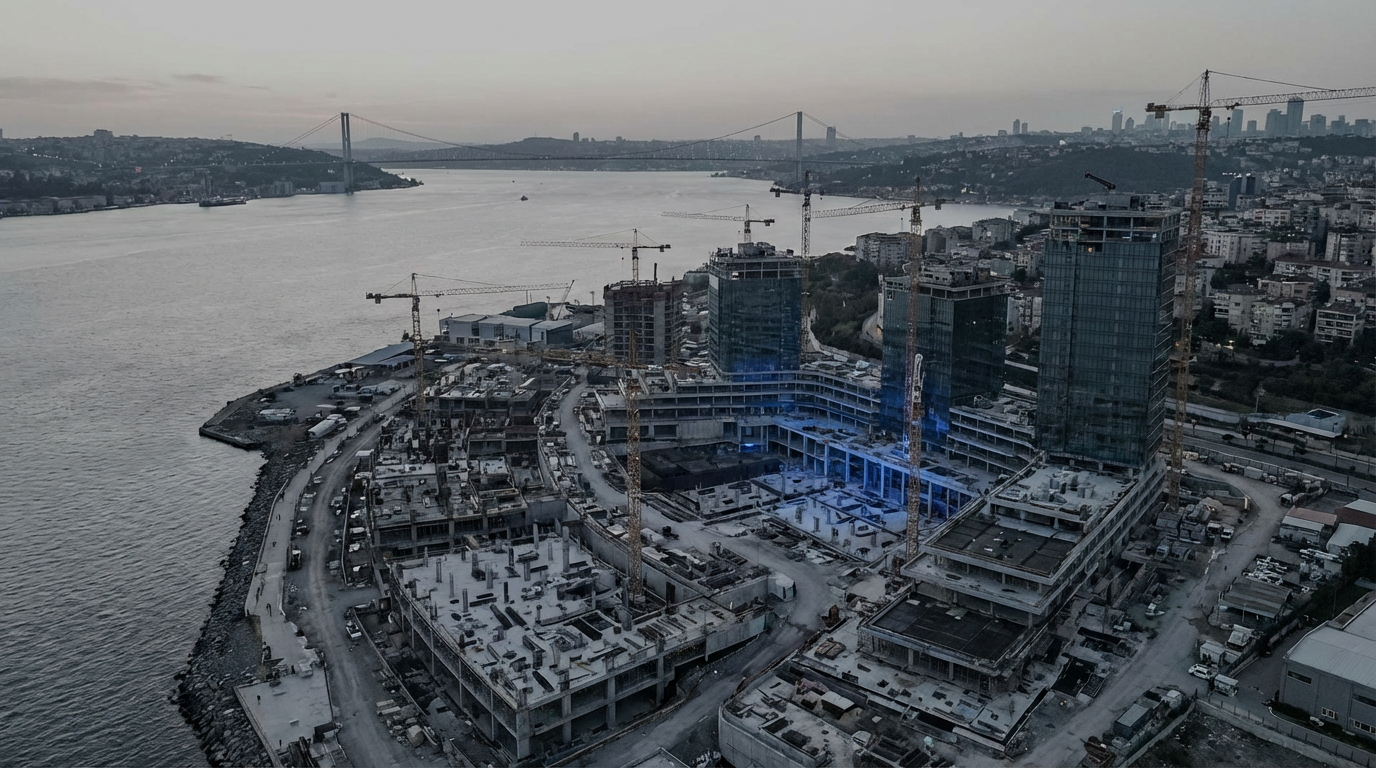
A new entrepreneurial campus has launched in Istanbul, aiming to provide scaling infrastructure for startups focused on digital gaming and creative technologies. Mehmet Fatih Kacır, the Minister of Industry and Technology, announced the center's operational status on April 14, 2026, during the opening of Entertech Maslak Go and Startgate TEKMER in Istanbul.
This facility, a collaboration between Entertech and StartGate, is positioned by the ministry as one of the world's largest entrepreneurship hubs.
Spanning 4,200 square meters in Maslak, the campus offers office spaces, advanced technological infrastructure, and extensive network access. Its primary goal is to accelerate product development and commercialization for startups. The facility specifically targets digital game studios, creative technology ventures, and software teams supporting these sectors.
Comprehensive Support for Startups
The services provided cover the entire spectrum from early-stage development to growth. Mentorship, consulting, and training programs are designed to help teams refine their business models and product strategies. Prototyping facilities enable product testing, while investor matchmaking mechanisms aim to simplify access to funding. This integrated approach seeks to guide ventures from initial concept to market entry and global expansion under one roof.
Data shared at the opening highlighted a significant expansion in Turkey's technology development capabilities over recent years. According to Minister Kacır, total R&D expenditures surged from $1.2 billion to $20 billion over a 23-year period. Private sector R&D spending also saw a substantial increase, rising from $350 million to $14 billion during the same timeframe.
The technopark ecosystem has experienced similar growth. The number of technoparks expanded from 2 to 114, with companies operating within them increasing from 56 to approximately 8,700. This indicates that the new center is not merely a building investment but an integral part of a broader innovation infrastructure.
Financial Landscape and Future Outlook
Regarding financing, the annual venture capital investment volume has averaged $1.1 billion over the last five years. The new campus aims to leverage investor access and network effects to generate a more robust deal flow within this volume. Key performance indicators for the center will include intellectual property management, international publisher relations, and global market access, particularly for high-export potential areas like gaming and creative technologies.
From a public sector perspective, the center intensifies the concentration of entrepreneurship policies in Istanbul, which are implemented through technoparks and TEKMERs. For the private sector, the co-location of talent, shared infrastructure, and investor access creates a mechanism that could significantly reduce establishment costs and time-to-market for early-stage teams.
Potential Implications
The center could enhance the clustering of R&D and entrepreneurship policies in Istanbul, increasing the visibility of public support. It may also establish a growth channel through exports and intellectual property revenues in gaming and creative technologies.
Digital gaming and creative technology startups could shorten their product development cycles through shared infrastructure and mentorship. Investor access might influence valuations and competitive dynamics among early-stage companies.
Venture capital flows could see a more consistent project pipeline from TEKMER/technopark-affiliated companies. This channel might affect the risk perception and sector distribution for technology-focused funds and strategic investors in Turkey.