F1 Races Canceled in Middle East Amidst Regional Tensions
Formula 1 has canceled its Bahrain and Saudi Arabia Grand Prix races due to Middle East security concerns, reducing the 2025 season to 22 events.
Lauren Collins ·
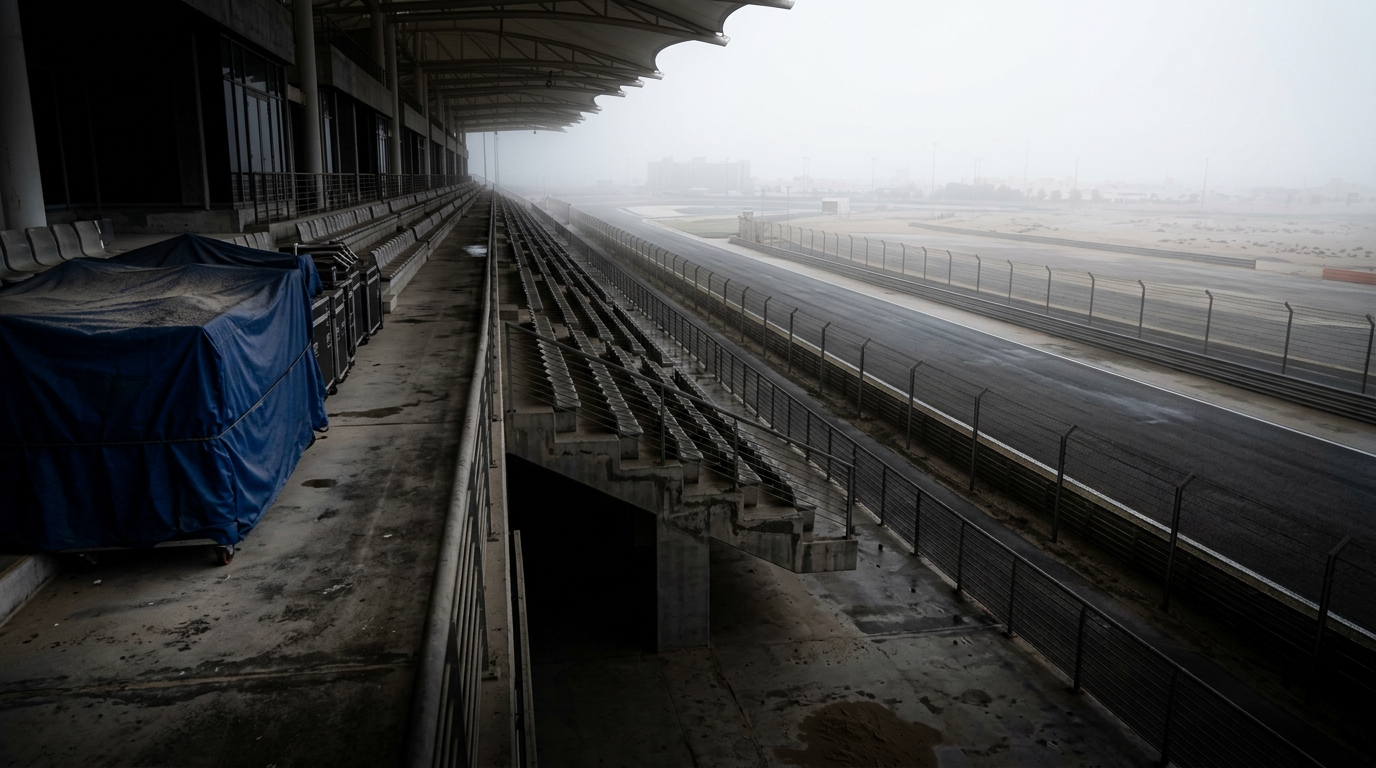
Formula 1 has canceled its upcoming Grand Prix events in Bahrain and Saudi Arabia, initially scheduled for next month. The decision, anticipated to be finalized this weekend, is a direct consequence of escalating security concerns linked to the ongoing geopolitical tensions in the Middle East. This cancellation will reduce the 2025 Formula 1 season to 22 races from the planned 24.
The primary driver for this action is the perceived risk to personnel and logistical operations, particularly in light of the protracted conflict involving the US, Israel, and Iran. Organizers determined that the security environment did not permit safe execution of the events, which were slated for April 12 in Bahrain and the following weekend in Jeddah, Saudi Arabia.
Logistical Challenges and Financial Impact
Logistical deadlines played a crucial role in the timing of the announcement. Preparations for shipping freight to the Middle East venues would have commenced imminently, necessitating a swift resolution regarding the races' viability. The cancellation creates a significant five-week gap in the racing calendar, extending from the Japanese Grand Prix on March 29 until the Miami Grand Prix on May 3.
Financially, the cancellation represents a substantial loss for Formula 1, with commercial impacts projected to exceed £100 million. Both Bahrain and Saudi Arabia contribute considerable hosting fees to the sport. This financial burden will be distributed across various stakeholders, including the commercial rights holder and individual racing teams, each facing losses potentially in the tens of millions.
Search for Alternative Venues
Efforts were made to identify alternative host locations to mitigate the impact of the cancellations. Potential venues considered included Portimao, Imola, and Istanbul Park. However, these options were ultimately deemed impractical due to insufficient time for organizational setup and the complexities of securing new hosting agreements and associated fees within the tight timeframe.
This development underscores the broader implications of regional instability on international sporting events and global commerce. The decision reflects a prioritization of safety over commercial interests, highlighting the challenges faced by global organizations operating in politically sensitive areas. The reduced race calendar will also affect team strategies and championship dynamics for the upcoming season.
Implications
Country Impact: The cancellations impact Bahrain and Saudi Arabia by removing high-profile international events, potentially affecting tourism and soft power initiatives. It also highlights the economic vulnerability of event-based revenue streams in politically unstable regions.
Industry Impact: The global sports and entertainment industry faces increased scrutiny regarding event planning in geopolitical hotspots. Organizers must now factor in heightened security risks and potential revenue losses from host nation fees and associated commercial activities.
Market Impact: While direct market impact is limited, the news could subtly influence investor sentiment towards companies with significant operations or event dependencies in the Middle East. It also signals potential disruptions for logistics and travel sectors tied to major international events.