Brazil Bars Trump Adviser Entry Amid Diplomatic Row
Brazil barred Trump adviser Darren Beattie's entry, linking it to the U.S. revocation of Brazil's Health Minister's visa, escalating diplomatic tensions.
Lauren Collins ·
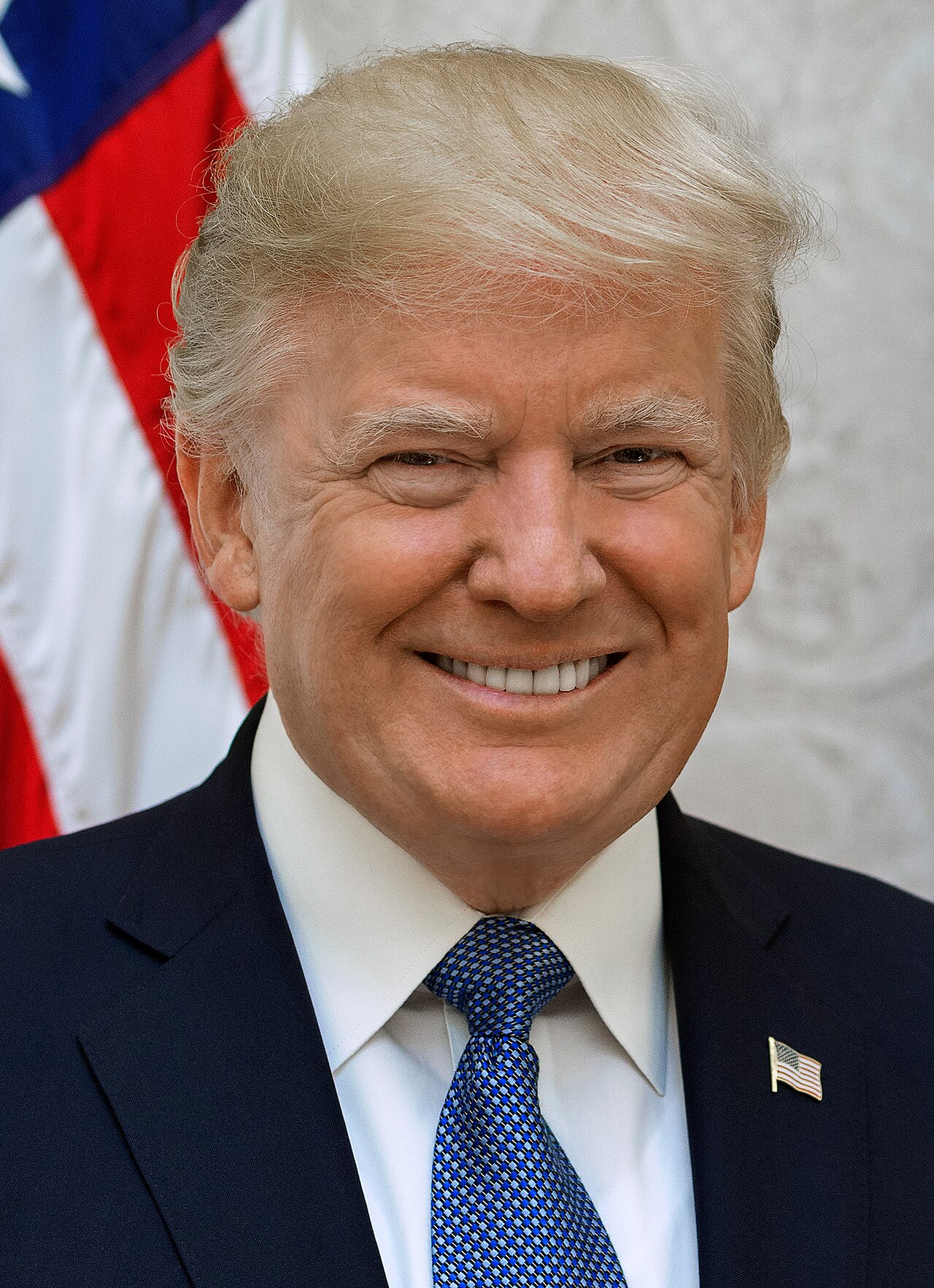
Brazil has prohibited the entry of Darren Beattie, an adviser to former U.S. President Donald Trump, into the country. The decision, announced by Brazilian President Luiz Inácio Lula da Silva on Friday, stems from Beattie's attempt to visit former Brazilian President Jair Bolsonaro, who is currently incarcerated. Brazil's Ministry of Foreign Relations confirmed the revocation of Beattie's visa, citing discrepancies in the stated purpose of his visit.
President Lula explicitly linked this action to a prior decision by the United States. He stated that Beattie's entry would remain blocked until the U.S. reinstates the visa for Brazil's Health Minister, Alexandre Padilha. The U.S. had revoked Padilha's visa in August, reportedly due to his involvement with a Cuban medical worker program.
Diplomatic Tensions Escalating
This diplomatic incident highlights ongoing sensitivities between Brazil and the United States. Beattie, who was recently appointed to a senior advisory position by the U.S. president to monitor Brazil, had his request to visit Bolsonaro denied by Brazilian Supreme Court Justice Alexandre de Moraes on Thursday. Bolsonaro's legal team had sought judicial approval for the visit.
Background on Bolsonaro's Incarceration
Jair Bolsonaro, a political ally of Donald Trump, is currently serving a 27-year prison sentence. His conviction relates to charges of plotting a coup against President Lula. The political landscape in Brazil remains polarized following the contentious 2022 presidential election, which saw Lula return to power after defeating Bolsonaro.
Reciprocal Actions and International Relations
The reciprocal nature of the visa actions underscores a growing trend in international relations where countries use such measures as leverage in diplomatic disputes. The U.S. decision regarding Minister Padilha was perceived by Brazil as an unwarranted intervention, leading to the current retaliatory measure against Beattie. This tit-for-tat approach can strain bilateral relations and impact diplomatic exchanges.
Implications for U.S.-Brazil Ties
The incident could further complicate the relationship between the two largest economies in the Americas. While the U.S. and Brazil share significant trade and investment ties, political disagreements, particularly concerning human rights and democratic processes, have periodically created friction. The current administration in Brazil has sought to re-establish its international standing and assert its sovereignty, often pushing back against perceived foreign interference.
Future Outlook for Diplomatic Engagement
Observers will be watching for further developments, including any potential negotiations to resolve the visa dispute. The resolution of this issue may depend on the willingness of both the U.S. and Brazilian governments to de-escalate tensions and find a mutually acceptable solution. The broader implications for diplomatic engagement and the movement of officials between the two nations remain a key point of interest.
Implications
Country Impact: Brazil's assertive stance could signal a shift in its foreign policy, prioritizing national sovereignty over immediate diplomatic harmony with the U.S. This may lead to increased scrutiny of foreign officials' visits and a more reciprocal approach to international relations.
Industry Impact: While direct economic impact is limited, heightened diplomatic tensions could create uncertainty for businesses operating in both countries, particularly those with strong government ties or regulatory dependencies. It might also influence future bilateral trade negotiations.
Market Impact: The incident is unlikely to have a significant immediate impact on global financial markets. However, sustained diplomatic friction between major economies like the U.S. and Brazil could contribute to broader geopolitical risk perceptions, potentially affecting investor sentiment in emerging markets.