French Soldiers Injured in Iraq Drone Attack
Six French soldiers were injured in a drone attack in Iraq's Erbil region, following a similar incident at an Italian base.
Lauren Collins ·
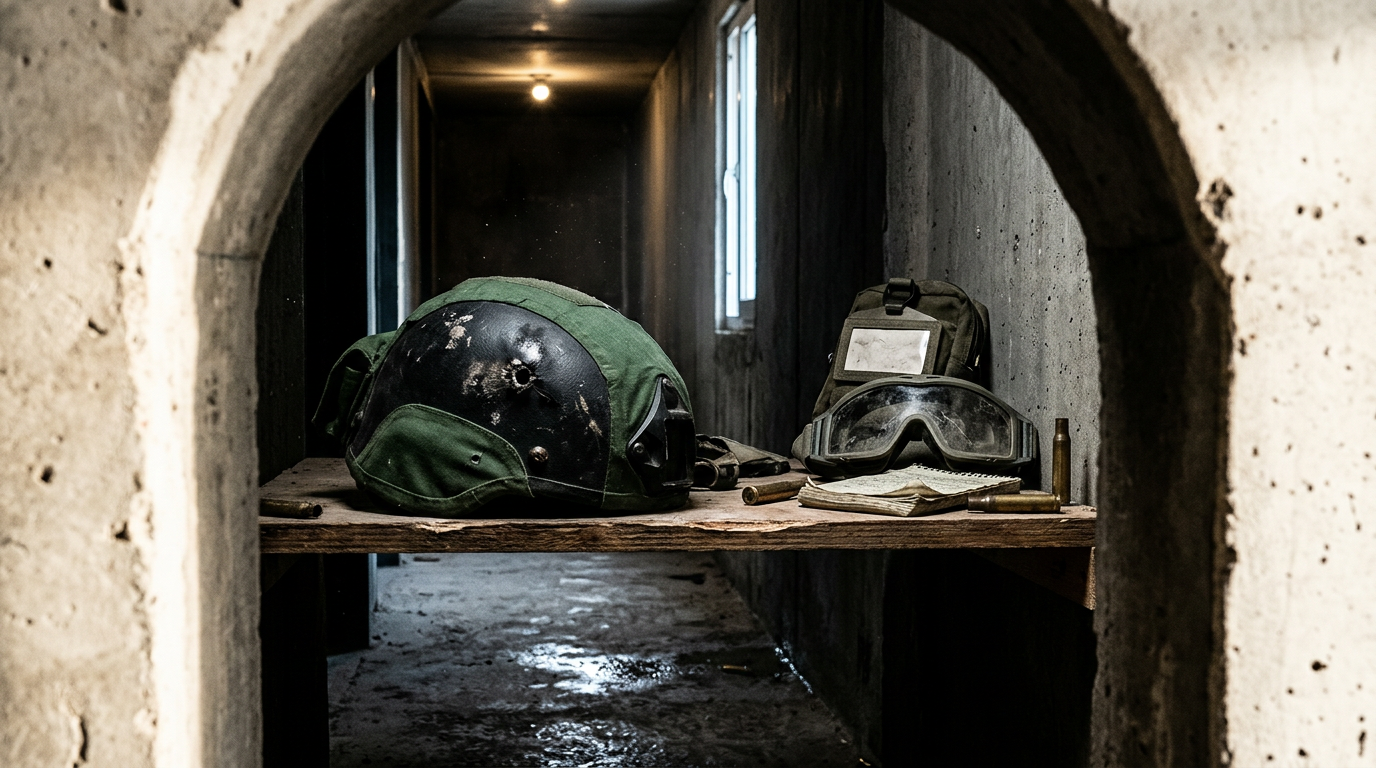
Six French military personnel sustained injuries on Thursday following a drone strike in Iraq's northern Erbil region. The soldiers were participating in counter-terrorism training operations when the incident occurred. This event followed a separate drone attack earlier the same day targeting an Italian military base in the same area.
The French army confirmed the injuries and stated that the affected personnel were transported to a medical facility. Details regarding the severity of their injuries or the origin of the drone were not immediately released. France maintains a significant military presence in the Erbil region, contributing to an international coalition focused on combating Islamic State militants.
Escalation of Regional Tensions
This incident highlights an apparent escalation in drone and missile attacks targeting international forces within Iraq. Reports from Iraqi security sources and individuals associated with Shi'ite militant groups indicate a recent increase in such attacks, particularly against U.S. interests, over the past several days. The Italian Ministry of Defense characterized the attack on its base, which hosts NATO personnel, as a deliberate act.
International Military Presence in Iraq
France's deployment in Iraq is part of a broader multinational effort to stabilize the region and counter extremist groups. The international coalition, established to combat ISIS, includes forces from various nations, providing training and support to Iraqi security forces. These deployments are critical for regional security, but also expose personnel to ongoing threats from various non-state actors.
Broader Geopolitical Context
The drone attacks in Erbil coincide with heightened geopolitical tensions across the Middle East. France has recently deployed significant naval assets, including an aircraft carrier strike group, to strategic waterways such as the Mediterranean, Red Sea, and potentially the Strait of Hormuz. This deployment aims to support allied nations and project stability amidst various regional conflicts and threats.
Implications for Coalition Operations
The repeated targeting of international military installations in Iraq raises concerns about the security environment for coalition forces. Such incidents could prompt a review of security protocols and operational strategies for nations involved in counter-terrorism efforts. The ongoing presence of international troops remains a complex issue, balancing the need for stability with the risks posed by persistent threats.
Outlook on Regional Stability
The frequency and nature of these attacks suggest a volatile security landscape in Iraq, influenced by broader regional dynamics. The international community continues to monitor these developments closely, as any significant escalation could have wider implications for global energy markets and diplomatic relations. Ensuring the safety of deployed personnel while maintaining counter-terrorism objectives remains a primary challenge for coalition members.
Implications
Country Impact: Iraq faces continued security challenges, with international military installations becoming targets. This could strain Iraq's efforts to maintain stability and attract foreign investment, potentially impacting its political landscape.
Industry Impact: The defense and security industries may see increased demand for counter-drone technologies and enhanced force protection measures. Energy markets could experience volatility if regional instability escalates, affecting oil and gas production and transit routes.
Market Impact: Global financial markets may react to heightened geopolitical risks in the Middle East, potentially leading to shifts in investor sentiment towards safe-haven assets. Defense sector stocks could see upward movement, while oil prices might fluctuate based on perceived supply disruptions.