Gulf Conflict Strands 20,000 Seafarers in Hormuz
Escalating Gulf tensions have stranded 20,000 seafarers in the region as of March 2026, disrupting global shipping through the Strait of Hormuz.
Lauren Collins ·
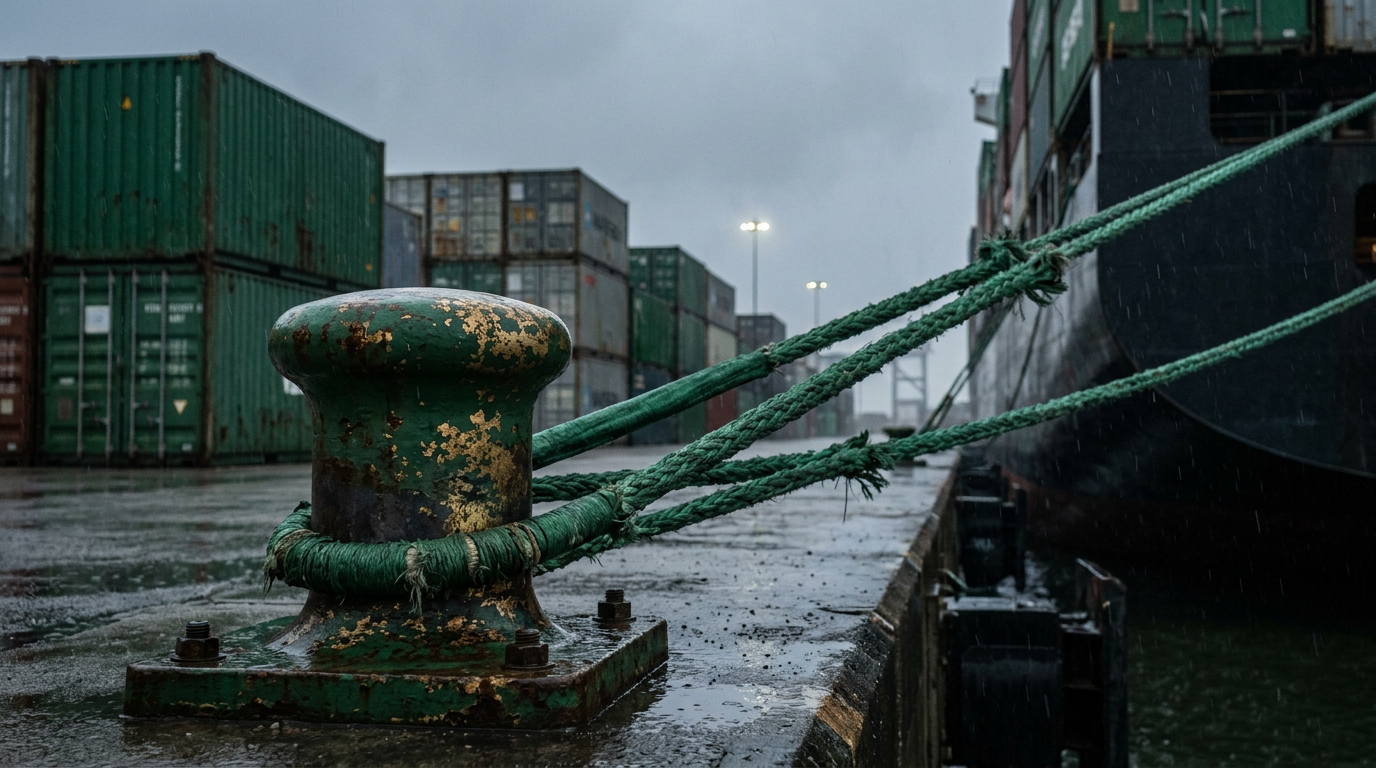
An estimated 20,000 merchant seafarers are currently unable to depart the Gulf region, a direct consequence of escalating geopolitical tensions involving Iran, the United States, and Israel. This maritime crisis, unfolding as of March 2026, has severely disrupted global shipping routes, particularly through the Strait of Hormuz.
Increased hostilities have prompted Iran to issue threats against vessels traversing the critical waterway. This has led to a substantial reduction in commercial maritime activity and elevated security risks for international shipping operations. Reports indicate frequent sightings of military drones, cruise missiles, and fighter jets, alongside daily skirmishes in the area.
Escalating Maritime Risks
The volatile environment has already resulted in casualties. On March 1, 2026, a seafarer was killed during an attack on the Palau-registered tanker *Skylark*. Beyond direct attacks, navigation has become increasingly challenging due to intermittent GPS interference, further complicating safe passage for ships.
Concerns are also mounting regarding the welfare of those stranded, with reports of diminishing food and water supplies on some vessels. The inability to communicate effectively with families ashore, exacerbated by blocked internet and phone networks in Iran, adds to the distress of the seafarers and their relatives.
Impact on Global Shipping
The Strait of Hormuz, a vital chokepoint for a significant portion of the world's energy and goods, has experienced a notable decline in traffic. Comparative data from March 12, 2025, to March 12, 2026, illustrates a sharp decrease in vessel movements through the strait, underscoring the conflict's immediate impact on global trade flows.
This disruption extends beyond the immediate region, affecting supply chains and potentially leading to increased shipping costs and delays worldwide. The ongoing instability in the Gulf region poses a significant challenge to the international maritime industry and global economic stability.
Geopolitical Context and Outlook
The current situation is rooted in a broader context of heightened geopolitical friction in the Middle East. Tensions have been steadily rising, with various regional and international actors involved in a complex interplay of security concerns and strategic interests. The Strait of Hormuz has historically been a flashpoint, and the current escalation marks a critical phase in regional dynamics.
International efforts to de-escalate the situation and ensure the safety of maritime passage are ongoing, though progress remains slow. The humanitarian aspect of the stranded seafarers adds urgency to diplomatic initiatives aimed at resolving the conflict and restoring stability to this crucial global artery. The long-term implications for maritime insurance, shipping routes, and energy prices remain a significant concern for global markets.
Humanitarian Concerns Mount
The welfare of the 20,000 seafarers trapped in the region is a primary humanitarian concern. Many are unable to disembark or receive necessary provisions, leading to deteriorating conditions on board some vessels. International maritime organizations and humanitarian groups are monitoring the situation closely, advocating for safe passage and assistance for those affected.
The inability of families to contact their loved ones further compounds the emotional toll of the crisis, highlighting the urgent need for a resolution that prioritizes human safety and well-being.
Economic Repercussions The reduced traffic through the Strait of Hormuz has immediate economic repercussions. Global oil and gas markets are particularly sensitive to disruptions in this region, potentially leading to price volatility. Furthermore, the rerouting of vessels to longer, more expensive routes will increase operational costs for shipping companies, which are likely to be passed on to consumers, contributing to inflationary pressures globally.
The uncertainty also deters new investments in maritime trade infrastructure in the region, impacting future economic growth. The situation underscores the interconnectedness of geopolitical stability and global economic health.
Implications
Country Impact: Countries reliant on Gulf oil and gas imports face potential supply disruptions and increased energy costs. Nations with citizens among the stranded seafarers are under pressure to facilitate their safe return and provide support.
Industry Impact: The global shipping industry faces significant operational challenges, including rerouting vessels, increased insurance premiums, and potential delays. Maritime logistics and supply chains are experiencing severe disruptions, impacting trade flows.
Market Impact: Global energy markets are likely to experience price volatility due to reduced traffic through the Strait of Hormuz. Shipping costs are expected to rise, potentially contributing to inflationary pressures across various sectors.