Trump Pressures Senate on Election Reform Legislation
Donald Trump pressured Senate Republicans to pass the "Save America Act," focusing on election reform and voter ID requirements.
Lauren Collins ·
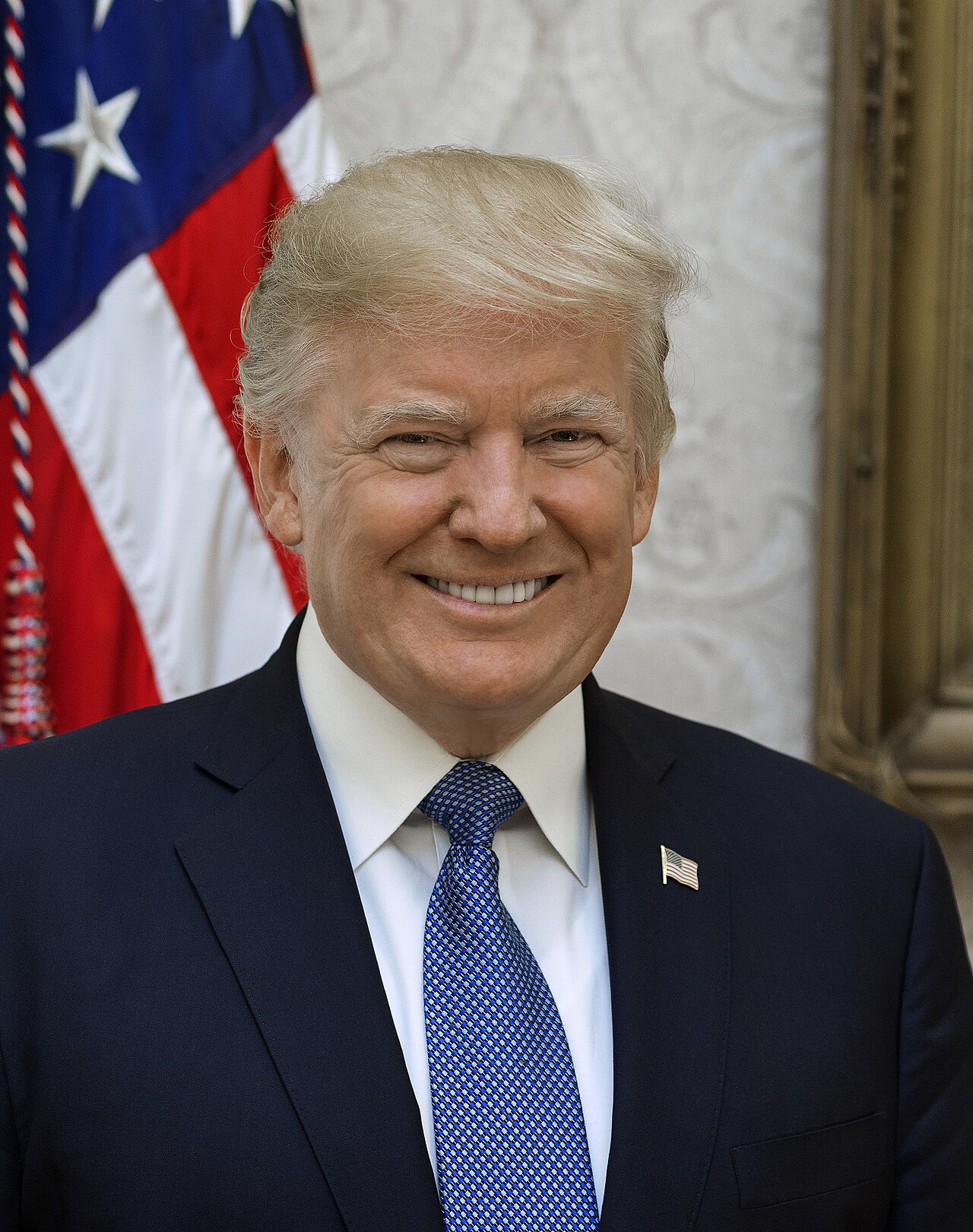
Former President Donald Trump recently exerted public pressure on Senate Republicans to advance the "Save America Act," a legislative proposal designed to modify U.S. election protocols. Mr. Trump indicated he would withhold approval of other legislative measures until this specific bill was presented for his signature. This development highlights ongoing political divisions regarding election integrity and the legislative process.
S. citizenship for voter registration and mandatory voter identification for ballot casting. The legislation also seeks to compel states to verify that only citizens are registered to vote. Furthermore, it mandates that states furnish voter rolls to the federal government and permits private entities to initiate legal action against election officials for non-compliance, potentially leading to criminal charges.
Legislative Strategy and Senate Dynamics
Republican Senators John Cornyn and Ron Johnson have voiced support for altering filibuster rules to facilitate the bill's passage. Senator Johnson specifically advocated for a test vote on the filibuster, aiming to record the positions of Democratic senators on the procedural hurdle. This strategy underscores the challenges of passing significant legislation in a closely divided Senate.
Despite the push, Senate Majority Leader John Thune acknowledged that the bill currently lacks the 60 votes necessary to overcome a filibuster. He nevertheless committed to bringing the legislation forward for a vote in the coming week. The procedural maneuver of a filibuster requires a supermajority to proceed with a vote on the bill itself, a threshold often difficult to meet for contentious legislation.
Broader Political Context and Statements
In a separate development, Mr. Trump made claims regarding a conflict with Iran, asserting that the "war on Iran" was progressing favorably and had "already been won." These remarks followed reports of a U.S. bombing incident involving an Iranian girls' elementary school, which reportedly resulted in 175 fatalities, and recent attacks on oil tankers in the Persian Gulf. The former president's statements reflect a broader pattern of commentary on international relations and military engagements.
Additionally, Mr. Trump publicly urged voters to remove Republican Congressman Thomas Massie from office. This intervention into intra-party politics illustrates the former president's continued influence within the Republican Party and his willingness to challenge incumbent lawmakers who do not align with his agenda. Such endorsements or condemnations can significantly impact primary elections and party unity.
Implications
Country Impact: The legislative push for election reform could intensify partisan divides within the U.S., potentially leading to legal challenges and increased scrutiny of voting processes at the state level. This could impact voter access and the administration of future elections.
Industry Impact: Industries involved in election technology and voter registration services may face increased demand or regulatory changes depending on the outcome of proposed election reforms. Legal and lobbying sectors could also see heightened activity related to election law.
Market Impact: Uncertainty surrounding election integrity and legislative gridlock could introduce volatility into U.S. financial markets, particularly if political tensions escalate. Geopolitical statements regarding Iran could also influence energy markets and investor sentiment towards regional stability.