Iran Issues Stern Warnings Amidst Internal Dissent
Iran issues stern warnings against dissent and foreign collaboration, with security forces on alert amidst regional tensions and calls for action.
Lauren Collins ·
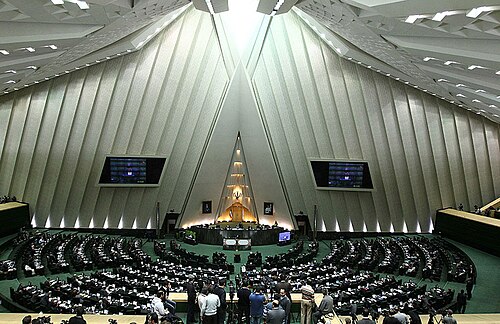
Iranian authorities have issued strong warnings against public dissent and perceived collaboration with external adversaries. This comes as the nation faces heightened regional tensions and calls for internal action from figures abroad. The government's stance indicates a firm approach to maintaining internal stability.
Brigadier General Ahmadreza Radan, Iran's Police Chief, stated that security forces are prepared to address protests, characterizing participants as "enemies." This declaration underscores the government's resolve to suppress any significant public demonstrations.
Concurrently, the Prosecutor General's Office has cautioned Iranian citizens residing outside the country. They face potential property confiscation and even the death penalty if found to be cooperating with what are termed "hostile enemies," particularly in connection with Israel or other adversarial nations. These legal threats highlight the broad scope of the government's efforts to deter perceived disloyalty.
These official warnings follow public statements from international figures. Exiled opposition leader Reza Pahlavi has urged Iranians to prepare for action against the current government. Separately, former U.S. President Donald Trump encouraged Iranians to "take over your government," adding to the external pressure.
Reports indicate an increased security presence across Iranian cities, alongside instances of internet blackouts. These measures suggest a preemptive strategy by authorities to control information flow and prevent the organization of large-scale gatherings.
Iran's semi-official Fars News Agency, which has ties to the Islamic Revolutionary Guard Corps (IRGC), reported an alleged drone attack in Tehran. The agency claimed Israeli drones targeted checkpoints, resulting in approximately 10 casualties among armed personnel. This report, issued on Wednesday, suggested the attacks aimed to destabilize security and incite unrest, linking the perpetrators to "monarchists."
This period of heightened rhetoric and security operations follows significant anti-government protests that occurred in December and January. During those demonstrations, human rights organizations documented a severe security crackdown, reporting at least 7,000 protestor fatalities. The current warnings appear to be a continuation of the government's strategy to prevent a recurrence of such widespread unrest.
Implications
Country Impact: The heightened rhetoric and security measures within Iran signal a tightening grip on internal dissent, potentially leading to further suppression of civil liberties and increased political instability. The government's strong stance aims to deter any organized opposition.
Industry Impact: Increased political risk and potential for unrest could negatively impact foreign investment and certain domestic industries, particularly those reliant on international partnerships or stable internal conditions. Internet blackouts could disrupt digital services and related sectors.
Market Impact: Global markets may react to escalating tensions in the Middle East, particularly concerning oil prices, given Iran's role as a major energy producer. Uncertainty regarding regional stability could lead to risk aversion in broader financial markets.