Trump Administration Delays Tariff Refund Processing
The Trump administration faces significant delays in processing tariff refunds following a Supreme Court ruling, impacting U.S. businesses.
Lauren Collins ·
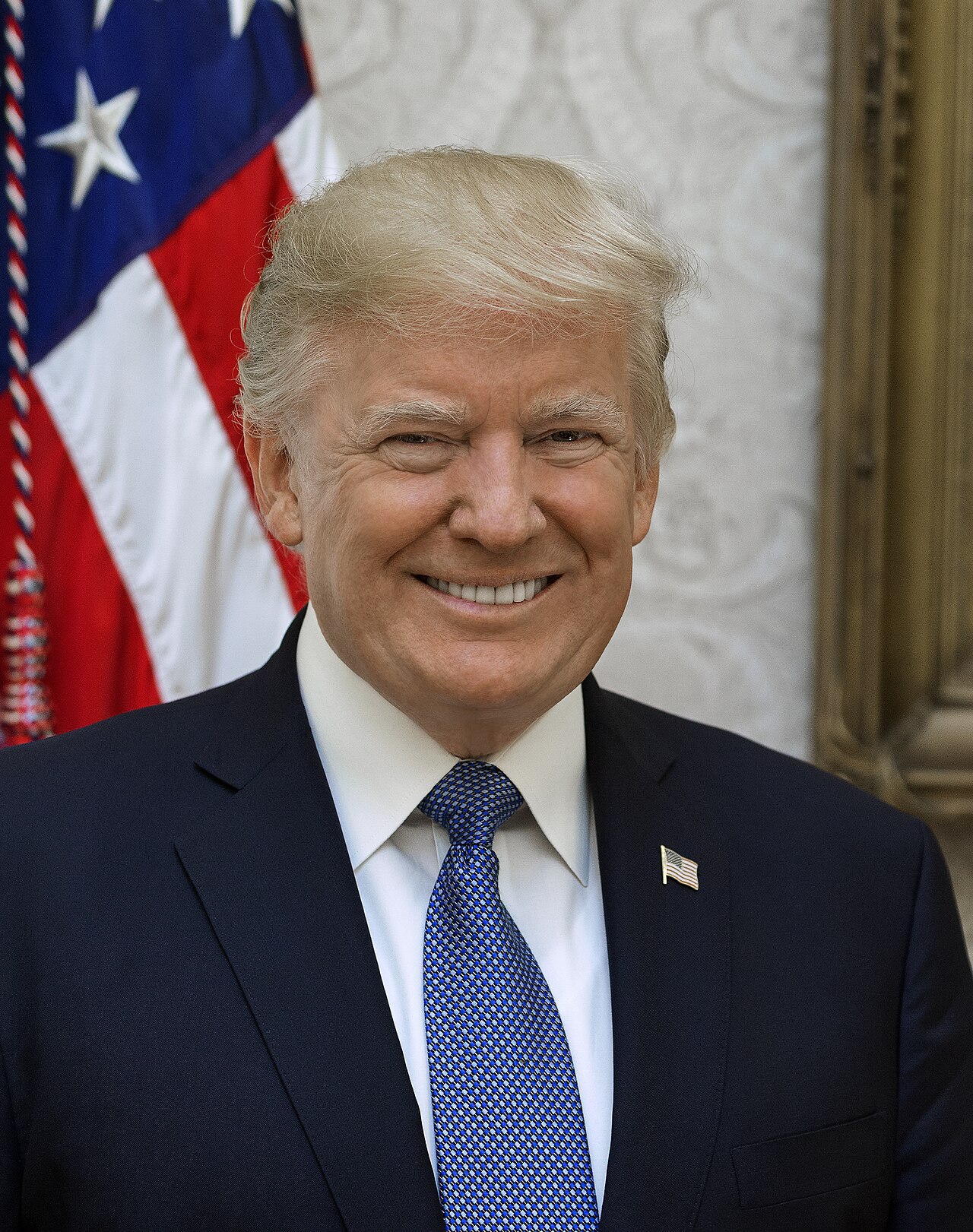
The Trump administration has indicated that the processing of tariff refunds, recently mandated by a Supreme Court ruling, will be a protracted undertaking. This follows a Supreme Court decision last month that deemed certain tariffs unlawful, prompting a wave of refund claims from U.S. businesses.
Background on Trade Tariffs
During the Trump presidency, the Uniteds States implemented a series of tariffs on imported goods, primarily from China, as part of a broader trade policy strategy. These tariffs, often referred to as trade war tariffs, affected a wide range of products, including consumer goods, industrial components, and agricultural products. The stated aim was to protect domestic industries and address perceived unfair trade practices.
Supreme Court Ruling and Business Claims
Last month, the U.S. Supreme Court issued a ruling that invalidated specific tariffs imposed by the previous administration. This judicial decision opened the door for American companies that had paid these duties to seek reimbursement. Consequently, a substantial number of businesses, ranging from automotive importers to toy distributors and apparel retailers, have initiated legal proceedings to recover these funds.
Administrative Challenges in Processing Refunds
The administration has highlighted the immense logistical challenge involved in processing these refunds. Officials estimate that manually handling the more than 53 million individual entries for goods subject to these tariffs could require an estimated 4,431,161 hours of work. This significant time commitment is directly attributed to the sheer volume of refund requests stemming from the duties levied during the trade disputes.
Impact on U.S. Businesses
The delay in processing these refunds could have various implications for U.S. businesses. While the Supreme Court ruling offers a path to recoup funds, the extended timeline for actual reimbursement means that companies may face continued liquidity pressures or delays in accessing capital that was tied up in tariff payments. This situation affects a broad spectrum of industries that rely on international supply chains.
Governmental Response and Future Outlook
The government's response emphasizes the administrative burden of managing such a large-scale refund operation. The manual nature of the processing, coupled with the vast number of entries, necessitates a considerable allocation of resources and time. The situation underscores the complex aftermath of trade policy decisions and their subsequent legal challenges, with the full resolution of these tariff refunds expected to unfold over an extended period.
Implications
Country Impact: The protracted refund process could impact the cash flow of numerous U.S. businesses, potentially affecting investment and operational decisions across various sectors. It also highlights the administrative complexities arising from past trade policies.
Industry Impact: Industries heavily reliant on imported goods, such as automotive, retail, and manufacturing, will experience delays in recouping tariff payments, potentially straining working capital. This could lead to continued financial uncertainty for some firms.
Market Impact: While the Supreme Court ruling is a positive development for affected companies, the extended timeline for refunds means that any market uplift from these reimbursements will be delayed. Investors may monitor the pace of these refunds as an indicator of broader economic recovery for impacted sectors.