Hormuz Oil Shock: OECD Warns of Inflationary Spiral
OECD warns Hormuz-linked oil disruptions could lift G20 inflation to 4% through 2026 and trim growth outlooks across major economies.
Atlas Newsdesk ·
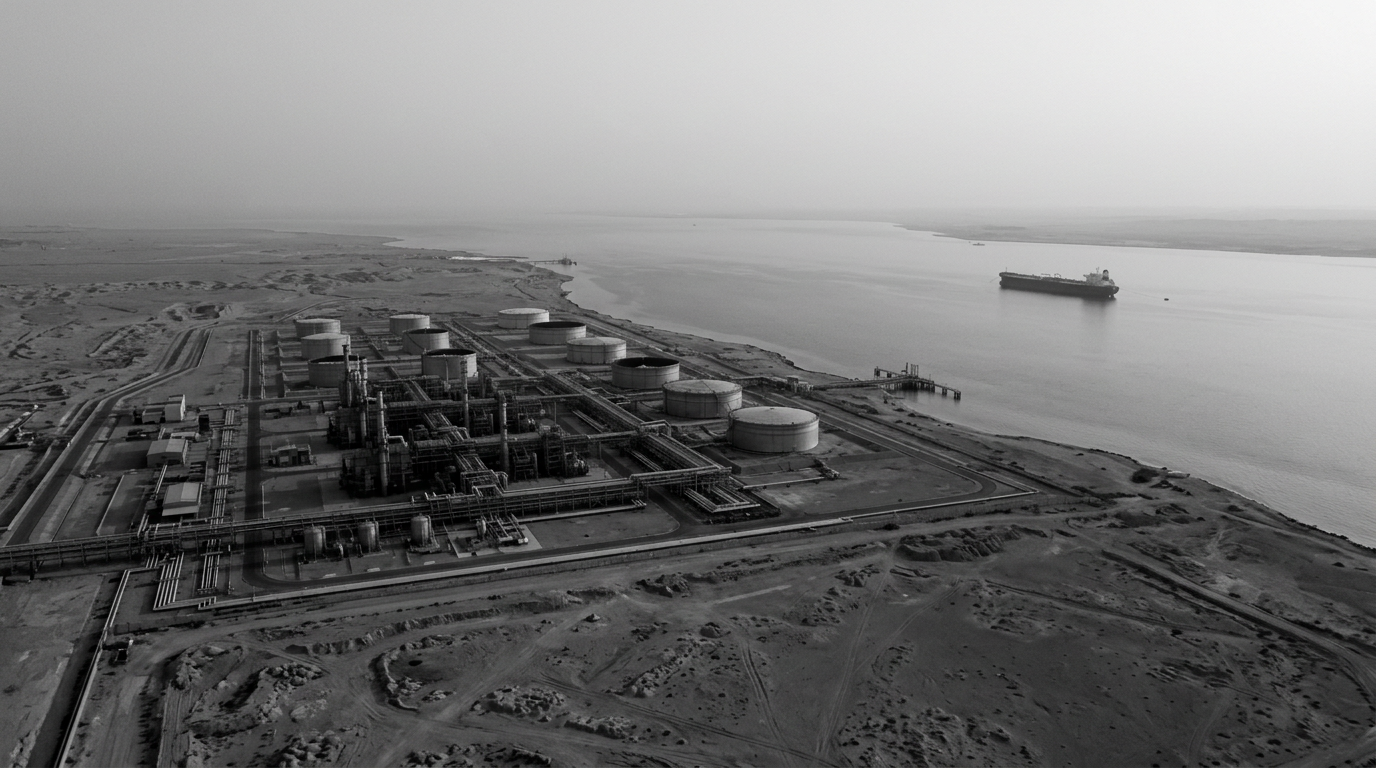
The OECD Warns of Economic Stress Test
The OECD has warned that a conflict involving the United States, Israel, and Iran is becoming a major stress test for the world economy, with higher inflation and weaker growth now central risks.
In a newly released assessment, the organisation linked the economic threat to oil supply disruption tied to the Strait of Hormuz, a key route for global energy shipments.
What Changed in the OECD Outlook
The OECD now expects inflation across the G20 to run at 4% through 2026 , lifting its projection by 1.2 percentage points compared with its December forecast.
The revision follows the closure of the Strait of Hormuz and the resulting interruptions to oil supply, which the OECD described as a significant downside risk for the global economy.
Oil Prices and the Growth Trade-Off
International crude benchmarks have climbed by more than $40 a barrel since the start of the year, a move described as roughly 70% , taking prices to about $104 per barrel .
The OECD said the energy-price surge could offset some of the growth impulse expected from investment linked to artificial intelligence, highlighting a tug-of-war between technology-driven capital spending and higher input costs.
Where Growth Forecasts Were Cut
For this year, the OECD lowered its growth expectations for euro area economies, the United Kingdom, and South Korea by 0.4 to 0.5 percentage points .
Australia’s outlook was also reduced: the OECD now sees growth at 1.3% in 2026 , which is 0.5 percentage points below its earlier estimate, while inflation could reach 4.9% by June.
Assumptions, Limits, and Key Uncertainties
The OECD’s projections are conditional on energy prices stabilising later in the year and on the disruption not broadening into widespread fuel shortages.
That caveat matters for policymakers and investors because the outlook is highly sensitive to shipping conditions and supply availability, with the Strait of Hormuz singled out as a critical chokepoint.