Despite Spiking Oil Prices, There’s No Talk of a Boom in Texas Oil Country - The New York Times
Permian Basin oil production remains flat despite rising global crude prices, as Texas operators prioritize caution over expansion amid Middle East tensions.
Atlas Newsdesk ·
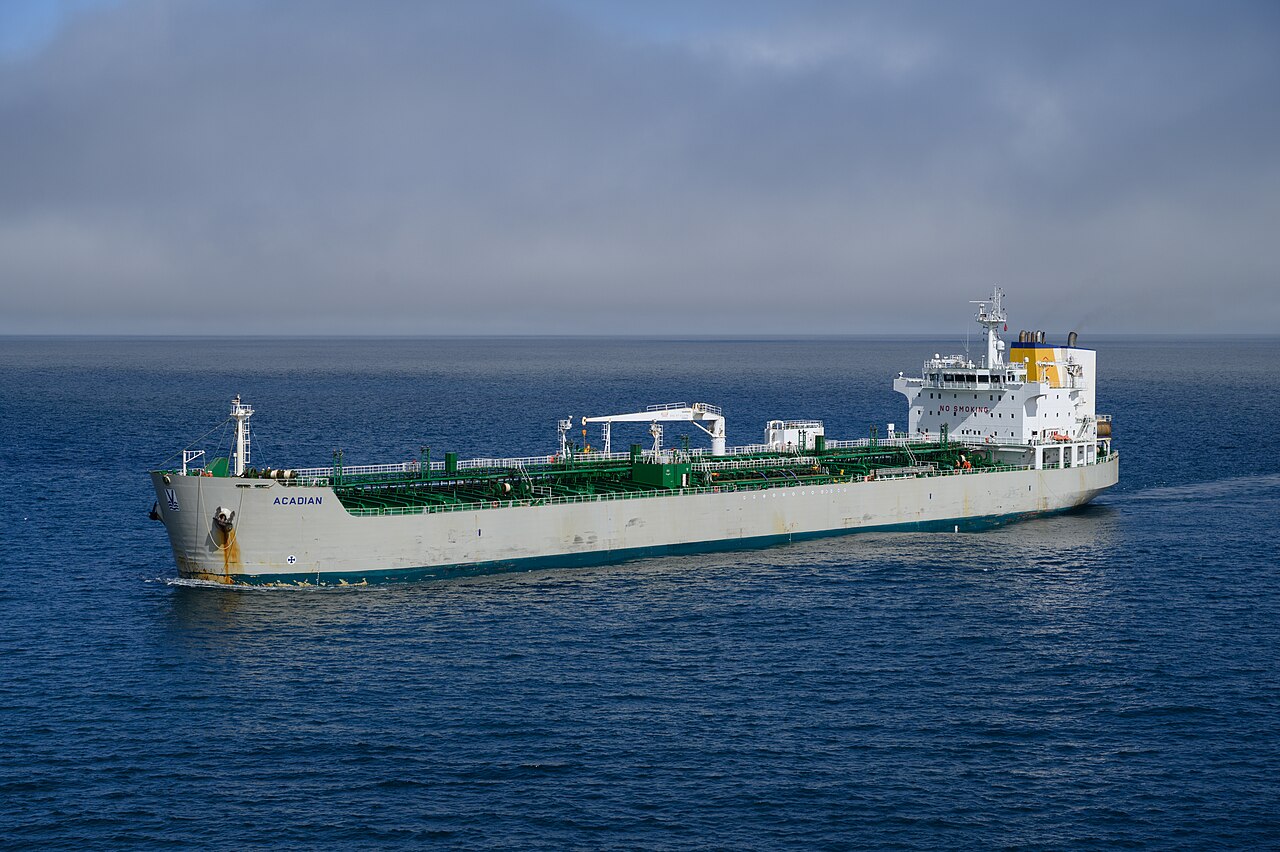
Oil production in the Permian Basin, a significant U.S. energy region, has not expanded despite recent increases in global crude prices. This trend is observed even as geopolitical tensions, particularly in the Middle East, have driven up oil costs. Industry stakeholders in key Texas oil hubs like Odessa and Midland are exercising restraint, indicating a cautious approach to new drilling initiatives.
Recent U.S. and Israeli military actions against Iran, followed by Iranian retaliatory strikes on oil infrastructure and shipping in the Persian Gulf, have contributed to the upward pressure on oil prices. However, data from Baker Hughes reveals a slight reduction in the number of active drilling rigs in Texas over the past week, underscoring the industry's reluctance to accelerate output.
Industry Caution Prevails
Executives and workers within the Permian Basin largely perceive the current price surge as potentially transient. This perspective is influenced by the substantial time and capital investment required to develop new wells, which typically span several months. Such lead times make rapid adjustments to short-term price volatility economically unfeasible for many operators.
Kirk Edwards, President of Latigo Petroleum, highlighted the multi-month timeline for planning and executing new drilling projects. This operational reality discourages immediate responses to fluctuating market signals, prioritizing long-term stability over short-term gains. The region's cautious stance also stems from its recent history, having endured a period of depressed global oil prices that resulted in significant job losses and reduced drilling activity.
Economic Impact and Outlook
Local economies in oil-producing areas, such as Odessa, Texas, have yet to experience a boom despite the higher crude prices. The primary impact observed by consumers has been increased fuel costs, rather than a surge in economic activity or employment within the sector. This indicates a disconnect between global commodity prices and local production responses.
The prevailing sentiment suggests that producers are wary of overinvesting in expansion that might not be sustainable if prices recede. This strategic conservatism reflects lessons learned from previous market cycles, where rapid expansion during price spikes was often followed by painful contractions. The industry appears to be prioritizing financial discipline and shareholder returns over aggressive production growth.
Global Market Context
Global oil markets remain sensitive to geopolitical developments, particularly those affecting major producing regions. While Middle East tensions can quickly elevate prices, the U.S. shale industry, particularly in the Permian, has demonstrated a more measured response than in previous cycles. This shift suggests a maturation of the shale sector, moving away from a growth-at-all-costs model towards a more sustainable, profit-oriented approach.
Future developments in both geopolitical stability and global energy demand will continue to shape the investment decisions of Permian Basin operators. The current environment suggests that even significant price signals may not trigger immediate, large-scale production increases without a clearer long-term outlook for sustained higher prices.
Implications
Country Impact: The U.S. domestic oil supply response to global price increases remains subdued, potentially impacting national energy independence goals and consumer fuel costs.
Industry Impact: The oil and gas industry, particularly in the Permian Basin, is prioritizing financial discipline and long-term stability over rapid expansion, reflecting a shift in operational strategy.
Market Impact: Global oil markets may experience sustained higher prices if major producing regions like the Permian Basin do not significantly increase output in response to geopolitical supply concerns.