Russian Strikes Kill 12, EU Air Defense Alerts Triggered
Overnight Russian missile strikes in Ukraine killed 12 people and damaged infrastructure, while EU nations reported new security incidents, triggering air…
Lauren Collins ·
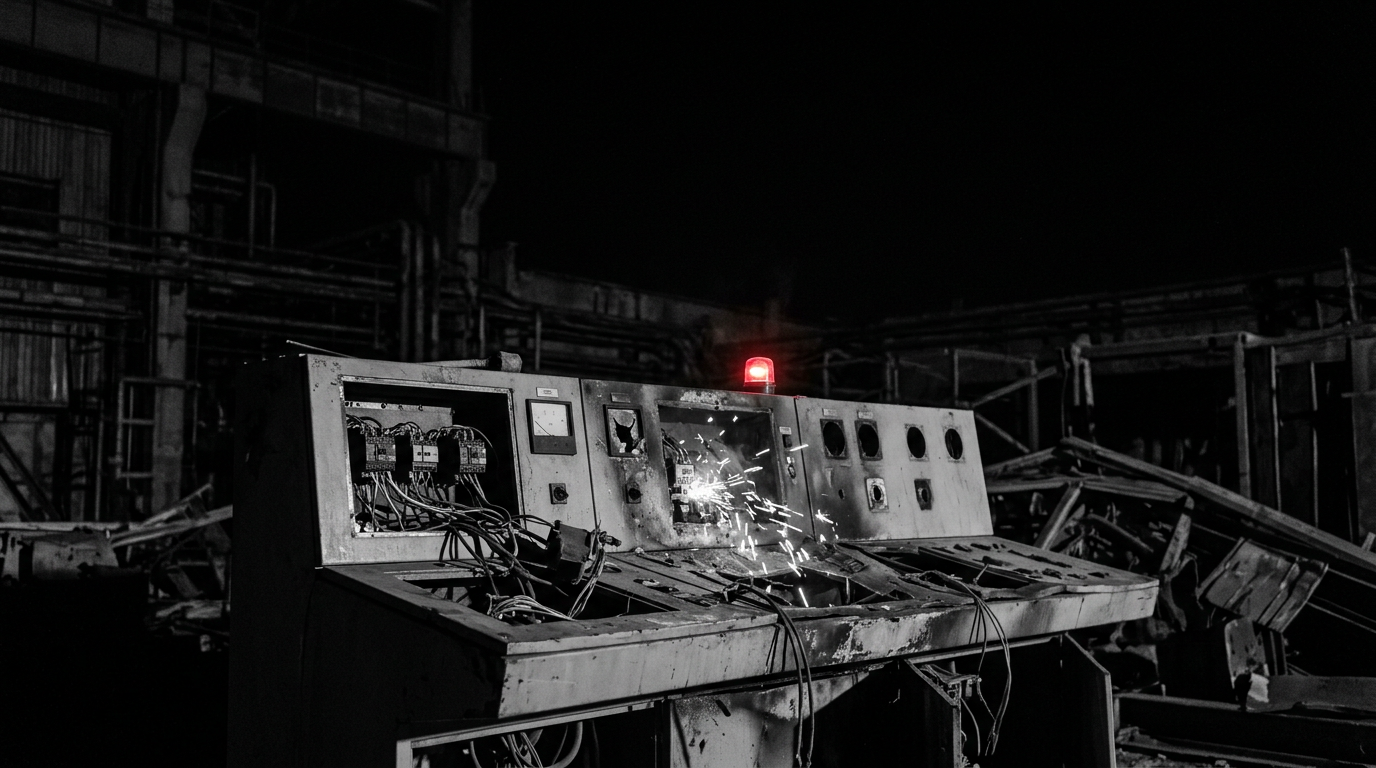
Russian missile attacks across Ukraine resulted in at least 12 fatalities and significant damage to infrastructure overnight. Ukrainian President Volodymyr Zelenskyy reported that the assaults caused extensive power outages in the Odesa region and struck a critical border crossing with Romania. Kyiv has now experienced six consecutive days of aerial bombardment as the conflict continues.
The intensifying security situation extends beyond Ukraine's borders, with multiple European nations reporting incidents potentially linked to Russian activity. Authorities in Germany are reportedly close to attributing recent sabotage incidents to Russian actors. Meanwhile, Polish officials are investigating a suspected arson attack that targeted a drone manufacturing facility, adding to regional anxieties.
European Security Concerns Rise
Adding to the heightened tensions, Estonia and Latvia briefly activated their national air defense alert systems on Tuesday. This action followed reports of unauthorized drone activity detected near their respective airspaces. These incidents have prompted ongoing discussions among European Union defense ministers, who are examining the broader security implications of what they perceive as coordinated provocations.
The cumulative effect of these events suggests a strategic shift aimed at destabilizing regional logistics and critical infrastructure across Europe. The continued aerial assaults on Kyiv and the disruption of vital infrastructure in Ukraine underscore Russia's sustained pressure. The alleged incidents in Germany, Poland, Estonia, and Latvia indicate a broadening scope of activities, moving beyond direct military conflict zones.
Diplomatic and Defense Responses
European Union defense ministers are expected to address the increasing frequency and apparent coordination of these actions. Their discussions will likely focus on reinforcing collective defense measures and improving intelligence sharing to counteract what officials describe as hybrid threats targeting essential infrastructure and supply chains.
These developments contribute to a volatile security landscape throughout Europe. The potential attribution of sabotage incidents and the continued disruption of border infrastructure could lead to further diplomatic repercussions and encourage enhanced defensive postures among member states of both NATO and the European Union. The situation highlights the ongoing need for vigilance and coordinated responses to evolving security challenges.