Iran weighs NPT exit after strikes on nuclear sites
Iran weighs NPT exit after reported US-Israel strikes hit nuclear-linked and industrial sites, as IAEA warns of radiological risks.
Lauren Collins ·
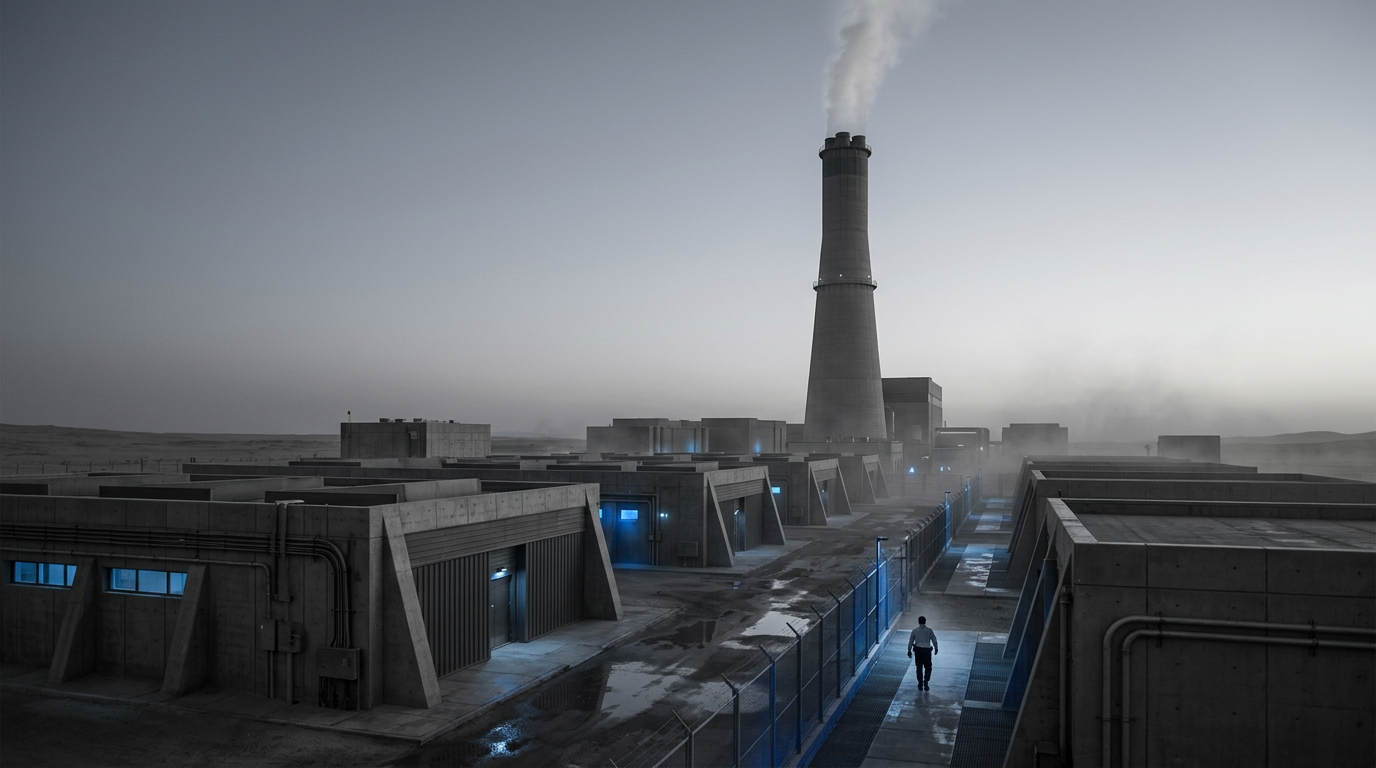
Iran’s parliament portal shows draft bill on NPT withdrawal
Iranian lawmakers are moving forward with draft legislation that would take the country out of the Treaty on the Non-Proliferation of Nuclear Weapons (NPT), after what the source describes as intensified US and Israeli attacks on Iranian civilian nuclear facilities and industrial infrastructure.
The proposal was uploaded to an online parliamentary portal. It would also cancel an existing Iranian law tied to the 2015 nuclear agreement and calls for backing a new international arrangement with aligned states focused on peaceful nuclear technology.
Political messaging hardens as war disrupts normal governance
The legislative push is unfolding while Iran’s parliament has not held a session since the war began on February 28, based on the source material. That gap leaves unclear how quickly the draft could move from review to a formal vote.
Ebrahim Rezaei, identified as spokesperson for parliament’s national security commission, said on Friday that Iran has gained no benefit from staying within the NPT. Malek Shariati, a representative from Tehran, said the bill is under review.
Strikes hit nuclear-linked and industrial targets across Iran
The political escalation follows airstrikes described as significant, carried out on Friday by the United States and Israel. The targets listed include a yellowcake facility in Yazd, the Khondab Heavy Water Complex near Arak, and steel production sites in Isfahan and Ahvaz.
The International Atomic Energy Agency (IAEA) has issued warnings about the risk of radiological incidents in the vicinity of the Bushehr Nuclear Power Plant. The source does not specify whether any release occurred, only that the agency warned of potential hazards.
IAEA-Iran tensions deepen amid accusations and counterclaims
Iranian officials, as described in the source, have accused the IAEA of political bias and of enabling the attacks. On Saturday, senior adviser Mohammad Mohkber called IAEA Director General Rafael Grossi a “partner in crime,” arguing that Grossi’s reporting and what he described as a lack of condemnation could trigger “irrevocable decisions.”
Grossi has previously said that no war could fully eliminate Iran’s nuclear program without “unfathomable destruction,” according to the source. The material does not provide additional context for when that remark was made or in what forum.
Economic stress adds urgency for markets and supply chains
The intensified attacks have also been linked in the source to temporary electricity outages and heavy damage to Iran’s non-oil export backbone. The reported disruption affects thousands of jobs, compounding pressure on an economy already experiencing 70% inflation.
For global markets, the immediate relevance is political risk: a potential NPT withdrawal would raise uncertainty around inspections and nuclear diplomacy, while damage to industrial capacity can alter regional trade flows. The source does not quantify export losses or specify which sectors were most affected beyond steel and related infrastructure.