Iranian Missile Strikes on Iraqi Kurdistan Escalate Targeting Energy Infrastructure and Peshmerga Bases
Iran missile strikes hit Iraqi Kurdistan on March 24, killing six; attacks also hit energy sites, raising risks for output and air-defense policy.
Lauren Collins ·
Ballistic missiles fired from Iran hit Peshmerga positions in Iraq’s Kurdistan Region on March 24, killing six people and injuring 30, in what Kurdish officials described as the most lethal single attack on their security forces since the current Iran-linked conflict began.
The strikes landed in the Soran highlands north of Erbil, underscoring a shift toward heavier firepower and a widening target set that now includes both security facilities and energy assets critical to the region’s economy.
What changed on the ground
The March 24 attack followed an earlier surge on February 28, when Iran’s Islamic Revolutionary Guard Corps (IRGC) and allied Shia militias launched more than 70 projectiles at multiple sites across the Kurdistan Region of Iraq (KRI).
Those February targets included Erbil International Airport, the U.S. consulate general in Erbil, Peshmerga headquarters, and Harir Air Base. By late March, the KRI had faced more than 400 separate strikes, indicating a sustained campaign rather than isolated incidents.
Energy infrastructure pulled into the conflict
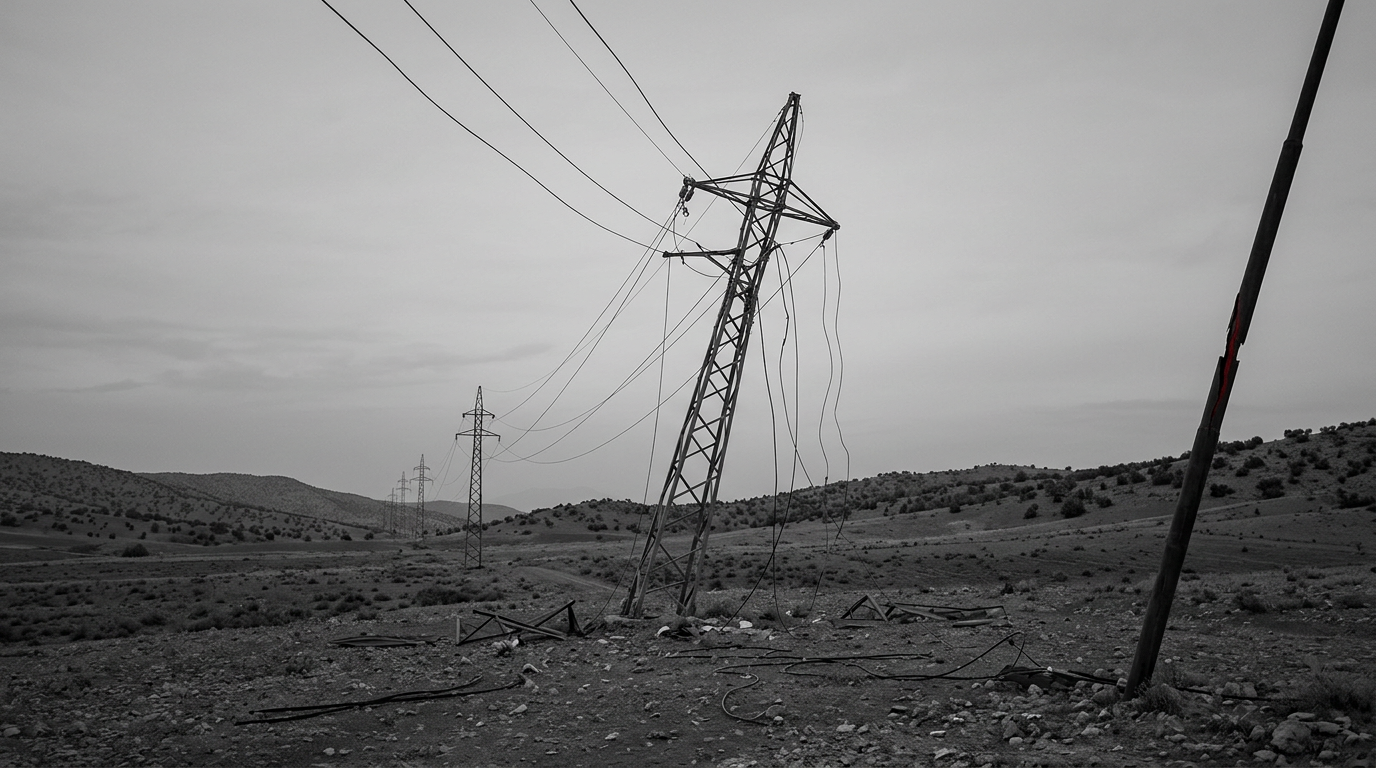
Alongside attacks on security forces, strikes have hit energy facilities including the Khor Mor gas field and the Sarsang oil field. The reported effects include electricity outages and temporary stoppages in production.
At Sarsang, output was reported to have fallen by 30,000 barrels per day. That reduction matters for local revenues and for companies and counterparties tied to Kurdish upstream projects, particularly where supply reliability underpins contracts and investment decisions.
Political response and air-defense debate
Baghdad has condemned the strikes, but the Iraqi government has not intercepted them, based on the information provided. Kurdish leaders have publicly pressed for stronger steps, reflecting concern that existing protections are insufficient against drones, rockets, and ballistic missiles.
Separately, the United States is reportedly weighing whether to treat the KRI as a de facto Major Non-NATO Ally for air-defense purposes. The source material compares the concept to Taiwan’s status, describing it as a pathway to access defensive weapons while bypassing procedural constraints linked to Baghdad’s role.
Why markets are paying attention
The immediate market relevance is concentrated in energy and political risk: repeated strikes on fields and related infrastructure can interrupt output, strain power supply, and raise operating costs. For global investors, the episode adds another layer of uncertainty around northern Iraq’s production profile and the security of energy-linked logistics and personnel.
Key uncertainties remain. The source does not specify what air-defense systems, if any, could be deployed under a new U.S. designation, nor does it provide a timeline or confirm a decision. It also remains unclear how Baghdad would respond politically if Washington moved ahead with a mechanism designed to reduce Iraq’s procedural leverage.