Ethiopia Holds June 1 Election Amid Conflict, Rights Concerns
Ethiopia proceeds with national elections on June 1, facing international scrutiny over ongoing conflicts and a deteriorating human rights situation.
Lauren Collins ·
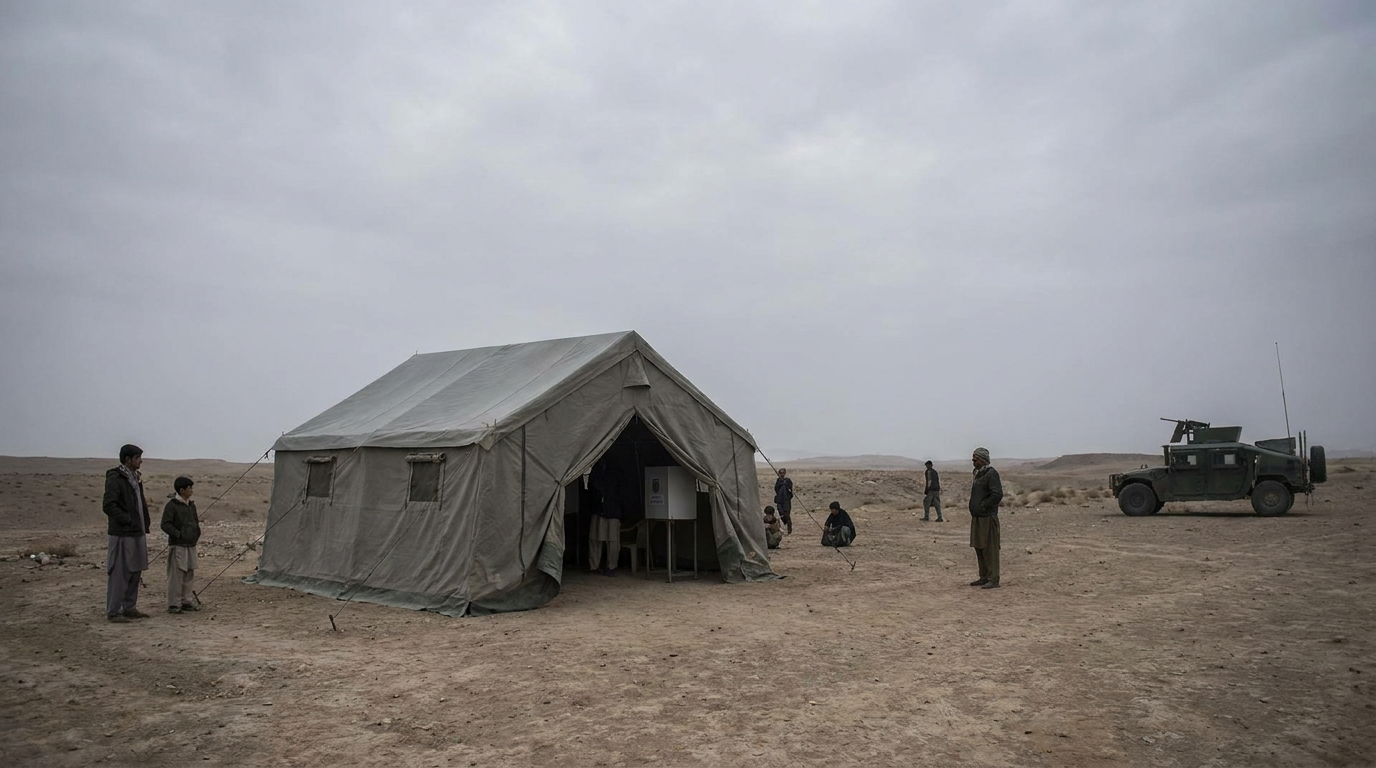
Ethiopia is holding its seventh national election on June 1 after the National Election Board of Ethiopia (NEBE) authorized the vote to proceed despite ongoing conflicts and reported human rights abuses. Rights groups and monitors have questioned whether conditions allow for a free, fair and credible poll.
The vote comes as Prime Minister Abiy Ahmed’s government faces security challenges in several regions and heightened scrutiny over arrests, killings and restrictions on civic space. Officials have not detailed how authorities will ensure access and safety for voters in areas affected by violence.
The election takes place against the backdrop of the 2020-2022 war between the federal government and the Tigray People’s Liberation Front (TPLF), which the article says resulted in hundreds of thousands of deaths. Human Rights Watch, Amnesty International and the International Commission of Human Rights Experts on Ethiopia have documented serious abuses during the conflict, including alleged war crimes and crimes against humanity, the article says.
The Pretoria Peace Agreement signed in November 2022 ended major hostilities, but concerns about renewed violence have grown after the TPLF’s recent ousting of the interim Tigray administration appointed by the federal government.
Fighting has also persisted in the Amhara region since 2023 between federal forces and Fano militias, the article says. It cites reports of ongoing violations, including a January 2024 massacre in Merawi and civilian casualties from drone strikes in parts of Amhara. Conflict in Oromia has continued as federal forces clash with the Oromo Liberation Army (OLA), adding to displacement and insecurity in parts of the country, according to the article.
Conflicts complicate election conditions
The overlap of active hostilities, allegations of abuses and limited access in some areas has raised questions about election logistics and political competition. The article says rights organizations argue the current environment does not provide conducive conditions for a credible vote, particularly where security operations restrict movement and public gatherings. It also points to concerns that accountability measures for past abuses have not kept pace with the scale of alleged violations.
The article links current tensions to a broader deterioration in the reform agenda that followed Abiy’s rise to power in 2018. It says the governing Prosperity Party has rolled back earlier legal and political changes and has consolidated control through increased repression. The state of emergency in Amhara is described as having a chilling effect on civic and political activity, further constraining democratic freedoms.
Reports cite tightening restrictions on media and opposition
The article cites reports of political repression, including the targeting of opposition members and allegations of extrajudicial killings. It also references accusations that covert security structures, including the Koree Nageenyaa, have been involved in serious violations.
The Committee to Protect Journalists is cited as saying at least 54 journalists have gone into exile since 2020 amid surveillance, intimidation and harassment, and the article says some human rights defenders have also fled.
Attention is likely to focus on turnout and access in conflict-affected areas, as well as any response from NEBE and security authorities to claims of intimidation or abuses linked to the pre-election environment.