Congress Weighs Deeper US-Israel Defense Technology Cooperation
U.S. Congress is advancing a proposal to deepen military and defense technology integration with Israel through the 2027 NDAA.
Lauren Collins ·
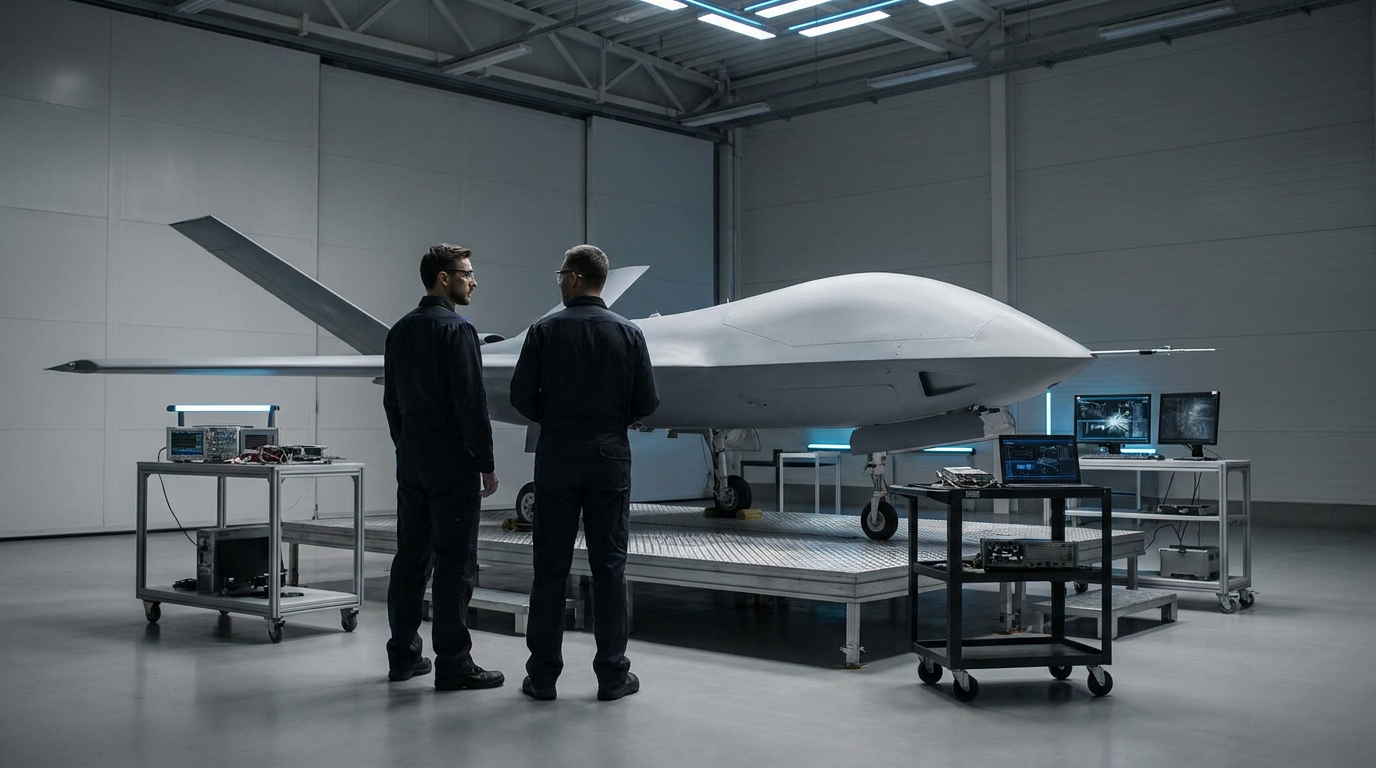
U.S. lawmakers are advancing a proposal in the 2027 National Defense Authorization Act that would broaden U.S.-Israel defense and emerging-technology cooperation and formalize new coordination roles inside the Pentagon.
The measure, known as Section 224, was released this week as part of the annual defense policy bill and remains subject to debate and amendments before Congress votes on final passage. Analysts and critics say the proposal could move the relationship beyond traditional aid and arms transfers toward deeper institutional integration between the two countries’ defense industries and militaries.
Section 224, titled the “United States-Israel Defense Technology Cooperation Initiative,” would require the U.S. defense secretary to designate an official responsible for coordinating military and industrial cooperation. The text describes the role as “synchronising cooperative efforts” across bilateral defense technology research, development, testing, evaluation, integration and industrial cooperation.
The proposal is at an early stage. Some legislators have signaled opposition and said they would seek to remove the provision during floor debate and amendments, according to the source.
Supporters of the provision frame it as a way to streamline collaboration in rapidly evolving military technology fields. Critics argue it could reduce political oversight by embedding cooperation in joint programs that would be difficult to unwind, making U.S. support for Israel less a matter of policy choice and more a structural feature of U.S. national security policy.
What Section 224 would cover
The provision lists a wide set of priority areas, including counter-unmanned systems across aerial, maritime and ground platforms; anti-tunneling and other subterranean threats; and missile and air defense technologies. It also highlights cooperation on artificial intelligence, quantum machine learning and autonomous systems, along with directed energy and advanced sensing.
Other areas named in the text include cyber defense, electronic warfare and digital resilience, as well as biotechnology, biomanufacturing and medical defense. The inclusion of “network integration” and “data fusion” has drawn attention in part because it implies closer interoperability between U.S. and Israeli military information systems.
How it could change existing cooperation
The United States and Israel already work together on defense projects, including missile defense systems such as Iron Dome. Analysts cited in the source said Section 224 would expand cooperation into nearly every major area of emerging military technology and could create a long-lasting “lock-in” between the two countries’ military infrastructures.
Congress passes the NDAA annually to set military policy and authorize defense spending. Lawmakers are expected to continue negotiations and amendments in the coming weeks as the bill moves through the legislative process.