Microsoft's Texas Expansion Ignites AI Regulation Debate
AI regulation shifts as Microsoft takes over a Texas data center expansion, while California and Congress weigh new rules and security risks grow.
Ayla Demirhan ·
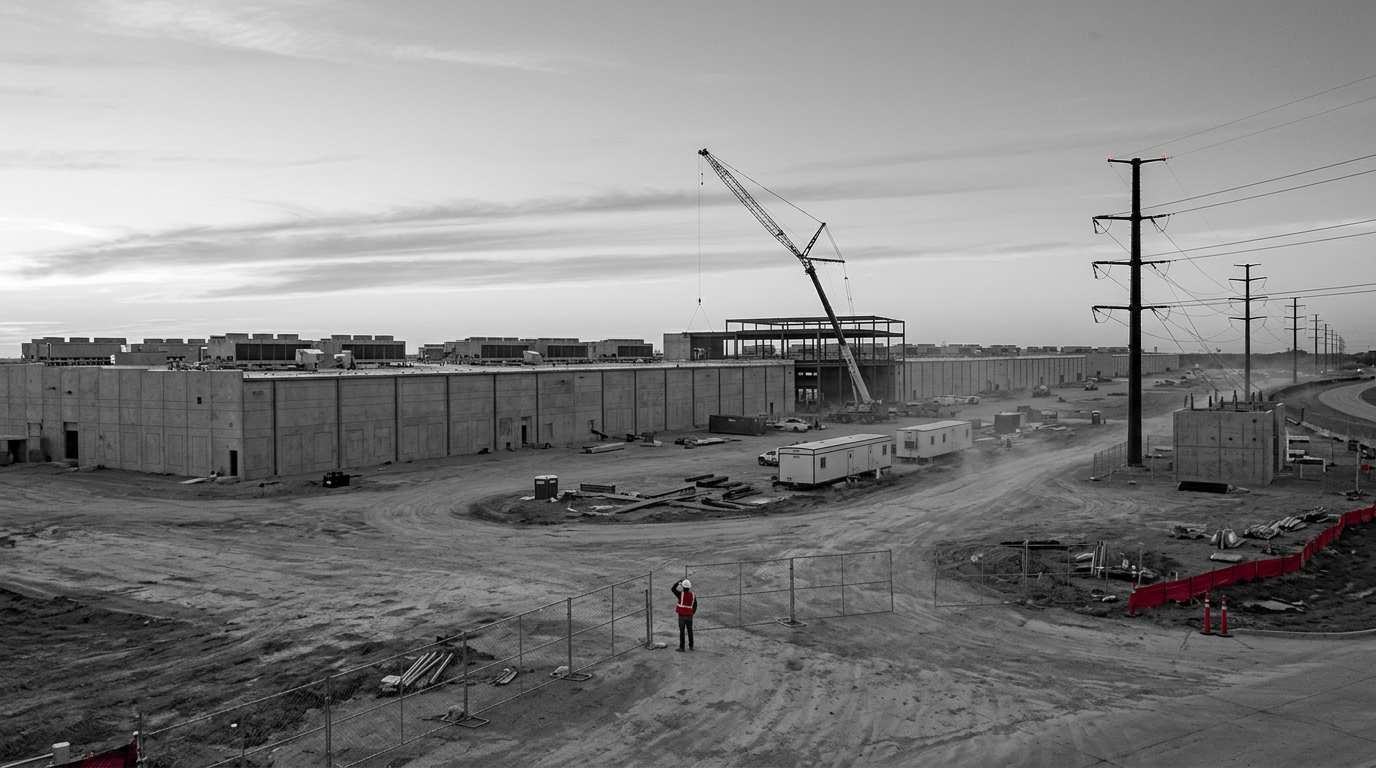
Artificial intelligence development is moving forward alongside a widening push for oversight, as companies expand infrastructure while lawmakers and regulators weigh new limits. Microsoft has taken over a Texas AI data center expansion after OpenAI withdrew, keeping the project on track and underscoring continued investment in AI computing capacity even as corporate relationships evolve.
At the same time, policymakers are advancing measures aimed at managing AI’s broader effects. In California, the Governor has directed state agencies to factor potential AI-related harm into contract rules, a step that could shape how public-sector procurement evaluates risk. In Washington, a bill has been introduced in Congress that would impose a moratorium on AI data centers, reflecting concerns tied to resource use and ethical questions around large-scale AI deployment.
Security and misuse concerns are also intensifying. Reports described AI being used to generate illicit content, which has led to legal action. Separately, the growing role of AI in conflict and cyber operations has been highlighted through incidents involving hacked hospitals and embedded spyware, pointing to national security risks that extend beyond commercial applications.
Environmental pressure is another theme shaping the debate. Concerns are rising about AI’s energy needs and the possibility that expanding compute demand could increase reliance on fossil fuels. These issues are feeding questions about whether current approaches to scaling AI systems are sustainable, particularly as data center buildouts accelerate and governments consider how to balance innovation with climate and energy objectives.
Developments abroad show both industrial promise and geopolitical friction. In China, AI is being used for textile recycling, illustrating potential gains in industrial efficiency and waste reduction. However, authorities have charged three individuals with attempting to smuggle US AI technology to China, highlighting ongoing competition, the role of export controls, and the sensitivity around advanced AI capabilities.
Across these threads, the direction is clear: AI is expanding into infrastructure, government procurement, industrial processes, and security domains at the same time that regulators and lawmakers are testing new tools to limit harm. Key uncertainties remain around how quickly proposed restrictions—such as the congressional moratorium concept—could advance, and how companies will adapt investment plans amid shifting rules and heightened scrutiny.