

GST Council Approves Procedural Reforms to Reduce Compliance and Litigation
The GST Council has introduced procedural reforms to simplify compliance, reduce litigation, and limit discretionary arrest powers, while maintaining…
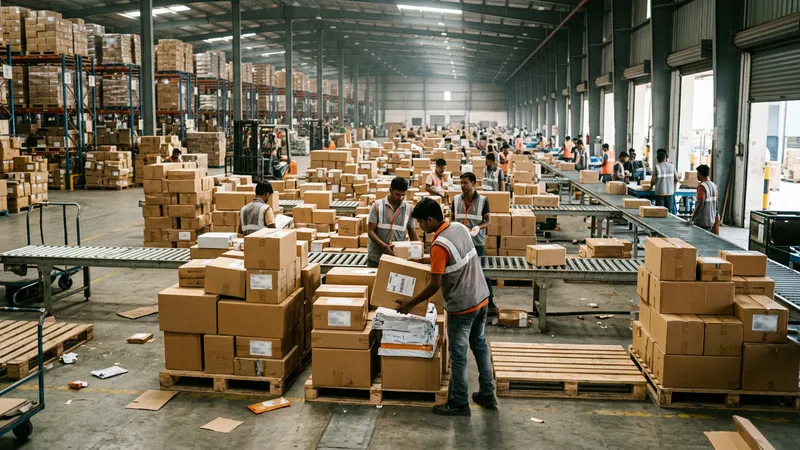
The GST Council has approved a series of procedural reforms aimed at streamlining indirect tax administration, focusing on liquidity, compliance, and legal risk mitigation. Key measures include the automation of refund processes, the expansion of input tax credit eligibility, and the reduction of administrative timelines for refund claims. These changes are designed to alleviate working capital constraints and lower operational costs for businesses.
To address concerns regarding regulatory overreach, the Council has recommended raising the prosecution threshold from ₹1 crore to ₹5 crore and narrowing the scope of arrest powers under the Central Goods and Services Tax Act. While these adjustments reduce the risk of criminal proceedings for minor infractions, civil recovery and penalty mechanisms remain in effect. The reforms also introduce a minimum threshold of ₹10,000 for show-cause notices to minimize low-value litigation.
For the e-commerce sector, the Council has proposed simplified registration processes for small suppliers operating across state lines. Furthermore, the introduction of faceless administration and centralized compliance windows, scheduled for 2027-28, aims to standardize tax enforcement. Despite these improvements, structural differences between state and central tax administration may continue to present challenges to achieving a fully unified national tax regime.
More stories
- Nokia launches 16-port fiber card for 50Gbps broadband
- China Central Bank Issues RMB Exchange-Rate Statement
- Pulsar seeks debt funding for $85.5 million helium plant
- Germany bill targets assets above €100,000
- Chinese Securities Regulator Initiates Market Stabilization Measures
- US Grid-Scale Battery Capacity Reaches Record Highs Amid Residential Decline
- Retail Bank Deposit Rates Reach 6% Amid Heightened Sector Competition
- China Investment Banking Revenue Increases Amidst Divergent Market Activity
- Limited Market Impact of US-Russia Diesel Supply Agreement
- India Considers Domestic Content Mandates for Future Rooftop Solar Schemes
Latest news
- Alvarez keeps Oct. 31 Riyadh title fight on schedule
- Australia warns travelers after King Khalid airport strikes
- Ukraine says Russia hits Kyiv plant after Trump ceasefire claim
- Allegations Surface Over Attempt to Alter Netanyahu's Oct. 7 Call Log
- Bandai Namco's Ace Combat 8 tops 1 million sales
- ESA Astronaut Completes Record-Breaking 237-Day International Space Station Mission