Iran Adopts Assertive Regional Strategy Post-Conflict
Iran adopted an assertive regional strategy post-2025 conflict, aiming to reassert influence and disrupt markets, posing new challenges for global stability.
Lauren Collins ·
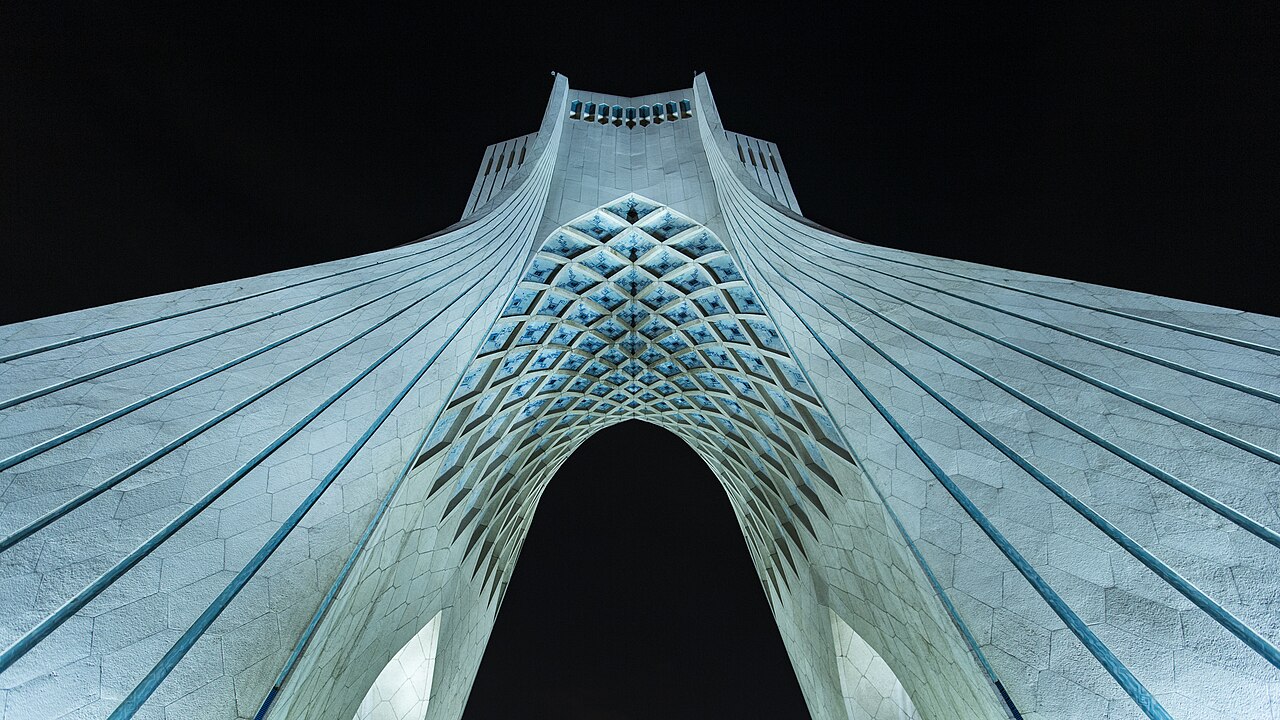
Following a 12-day regional conflict that concluded in late 2025, Iran has implemented a more assertive foreign policy, departing from its previous cautious engagement. This strategic shift, evident since early 2026, aims to reassert Iranian influence across the Middle East and potentially disrupt global markets. The new approach marks a significant change from earlier tactics, which often involved calibrated pressure through proxy forces.
This policy evolution comes after a period where Iran's regional standing was perceived to have weakened. Notable events contributing to this perception include the 2020 assassination of Qassem Soleimani and the collapse of the Bashar al-Assad regime in Syria in December 2024. These developments had led to a decline in Iran's influence, prompting a re-evaluation of its regional posture.
The recent 12-day conflict, despite resulting in damage to Iran's nuclear infrastructure, appears to have catalyzed this more aggressive stance. Tehran is now prioritizing the rebuilding of its military capabilities, with a particular focus on drone production. This indicates a readiness to expand regional tensions, potentially affecting global energy markets, maritime shipping lanes, and international air travel.
Iran's revised strategy presents new challenges for international diplomacy, particularly for the United States. Previous U.S. policy had largely focused on exerting pressure to encourage internal regime change or to enforce stricter compliance with international agreements. However, domestic sentiment within Iran has reportedly shifted, with a heightened sense of existential threat, especially following discussions about potential border adjustments.
Further complicating the regional landscape was the assassination of Supreme Leader Ali Khamenei during the conflict and the subsequent succession of his son. This leadership transition has been framed as crucial for the regime's political continuity. Concurrently, the conflict has seen an expansion of hostilities, with Hezbollah initiating a new front along Israel's northern border, suggesting coordinated military actions between Hezbollah and Iranian forces.
This shift in Iranian strategy underscores a complex and evolving geopolitical environment in the Middle East. The implications extend beyond immediate regional security, potentially impacting global economic stability through disruptions to critical trade and energy routes. International observers are closely monitoring these developments for their broader consequences.
Implications
Country Impact: Iran's new assertive strategy could escalate regional tensions, particularly with Gulf states and Israel, potentially leading to increased military confrontations and proxy conflicts. This shift may also solidify the current regime's internal support by fostering a sense of national defense.
Industry Impact: The focus on disrupting global energy markets and maritime routes poses significant risks to the oil and gas industry, potentially leading to price volatility and supply chain interruptions. International air travel and shipping industries could also face increased security concerns and operational challenges.
Market Impact: Global financial markets may experience heightened uncertainty and risk aversion, particularly in commodity markets due to potential energy supply disruptions. Increased geopolitical instability could lead to capital flight from emerging markets in the region and impact investor confidence globally.