Naval Drones Strike Oil Tankers in Gulf Waters
Naval drones attacked oil tankers in the Gulf in March 2026, escalating maritime threats and raising concerns over global oil supply routes.
Lauren Collins ·
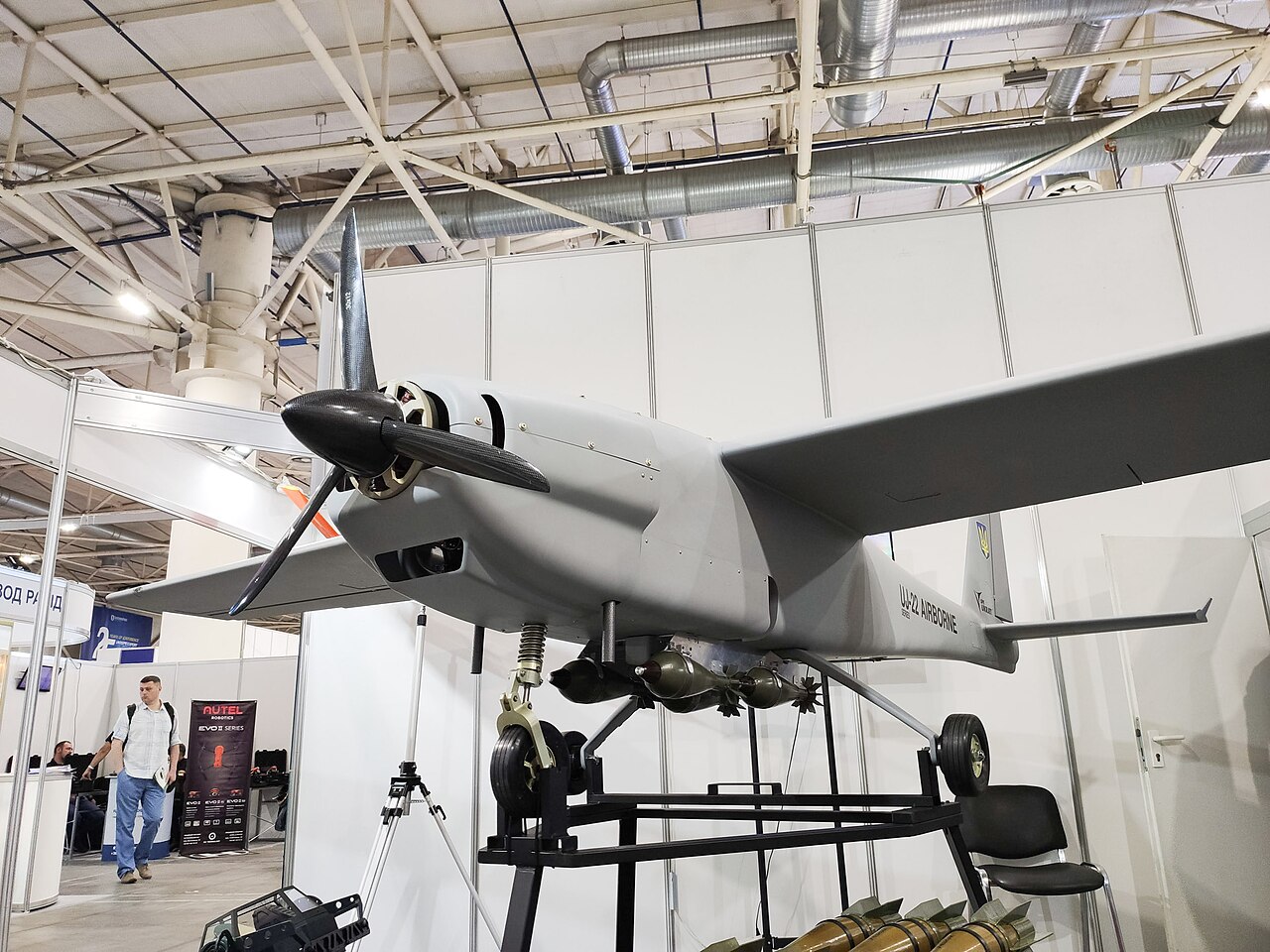
Unmanned naval drones have targeted commercial oil tankers in the Gulf region on at least two occasions since early March 2026, introducing a new dimension to maritime security concerns. These incidents highlight an escalating threat to vital shipping routes, particularly amidst existing geopolitical tensions.
The first reported attack occurred on March 1, 2026, when the crude oil tanker MKD VYOM sustained damage approximately 44 nautical miles off the coast of Oman. The strike, which resulted in an engine room explosion and one fatality, was confirmed by the UK Maritime Trade Operations (UKMTO). A subsequent incident involved the Bahamas-flagged crude oil tanker Sonangol Namibe, which was hit near Iraq's Khor al Zubair port just days later.
Escalating Maritime Threats
Both attacks involved explosive-laden unmanned surface vessels. These events coincide with recent threats from Iran regarding potential disruptions to oil shipments through the Strait of Hormuz. This strait is a critical chokepoint, through which approximately one-fifth of the world's oil supply transits daily.
Maritime security analysts, including Robert Peters from Ambrey, have suggested potential Iranian involvement. This assessment is partly based on the timing of the attacks, which occurred shortly after the Islamic Revolutionary Guard Corps (IRGC) claimed to have struck an American oil tanker. If direct Iranian involvement is confirmed, these incidents would represent the first documented use of naval drones by Iran against commercial shipping.
Strategic Implications of Drone Warfare
Naval drones present a significant risk due to their ability to carry substantial explosive payloads, offering a destructive capacity comparable to some ballistic missiles. Experts indicate that these drones can effectively immobilize large vessels by targeting critical areas, rendering them highly susceptible to further damage or capture. This capability introduces a new layer of vulnerability for commercial shipping.
The deployment of such technology in these attacks underscores a broader escalation of maritime threats within the Middle East. The region is crucial for global energy markets, and any disruption to its shipping lanes can have far-reaching economic consequences. The international community is closely monitoring these developments, as they could necessitate revised security protocols for commercial vessels operating in the area.
Global Energy Market Concerns
The Strait of Hormuz, connecting the Persian Gulf to the Arabian Sea, is a narrow waterway essential for the global transport of crude oil and liquefied natural gas. Any perceived or actual threat to its navigability can trigger volatility in global energy prices and impact supply chains. The use of naval drones adds an unpredictable element to an already complex security environment.
These incidents are part of a pattern of increasing maritime insecurity in the Middle East, which has seen various forms of attacks and seizures over recent years. The introduction of advanced, unmanned weaponry further complicates efforts to ensure safe passage for international commerce. Governments and shipping companies are likely to reassess risk profiles and implement enhanced protective measures in response to these evolving threats.
Implications
Country Impact: Regional stability in the Middle East faces increased pressure, potentially drawing in international naval forces to protect shipping lanes. Countries reliant on Gulf oil exports may experience heightened supply chain anxieties.
Industry Impact: The global shipping and insurance industries are likely to face increased premiums and operational costs for vessels transiting the Gulf. Energy companies may explore alternative, albeit more expensive, shipping routes or supply sources.
Market Impact: Global oil prices could experience upward pressure due to perceived supply risks and increased geopolitical uncertainty. Maritime security stocks and defense contractors might see increased interest.