Trump Sons' Drone Firm Targets Pentagon Contracts
PowerUS, a drone company co-owned by Donald Trump Jr. and Eric Trump, seeks Pentagon contracts, aligning with a 2024 directive for domestic drone production.
Lauren Collins ·
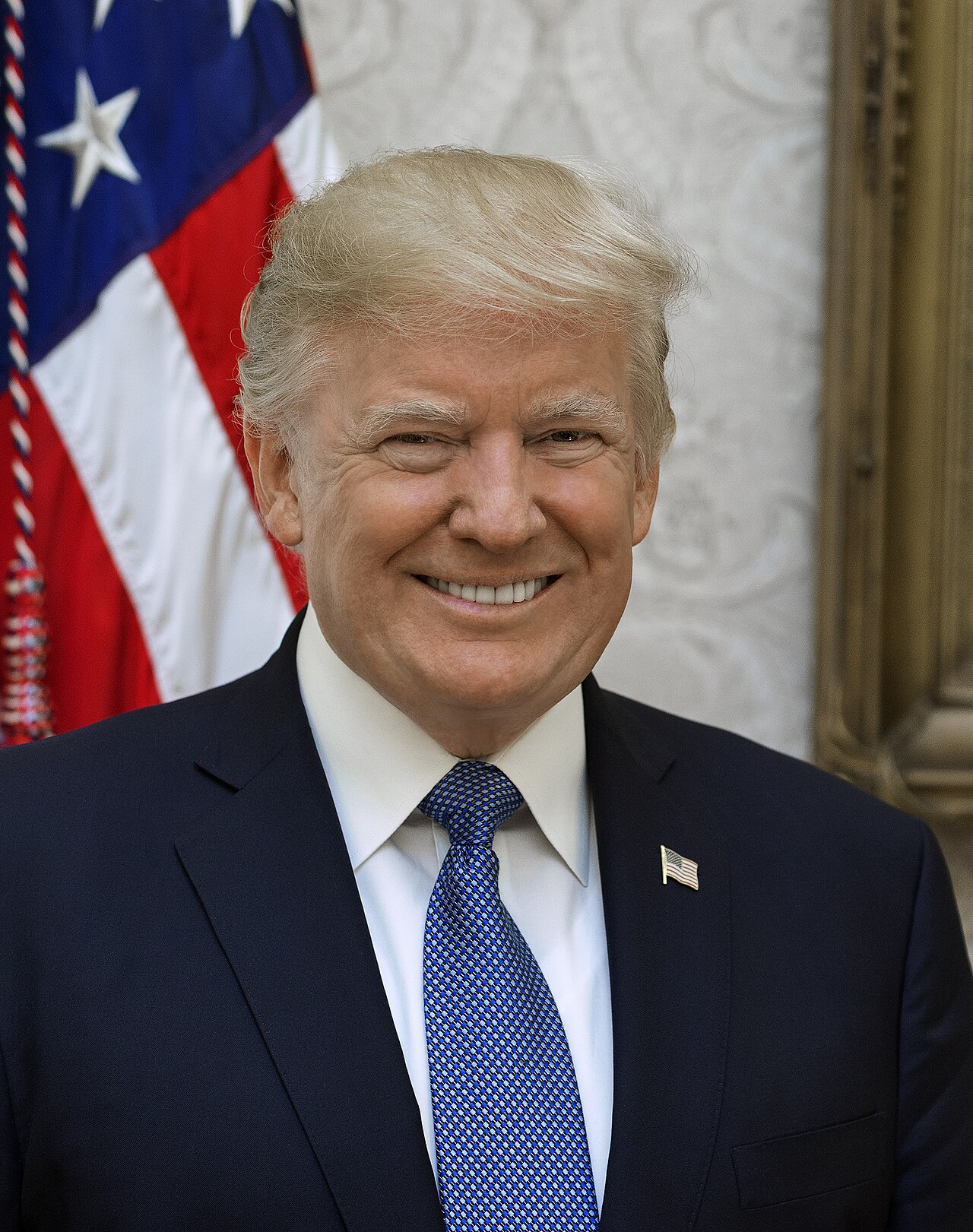
A new defense technology company, PowerUS, co-founded by Donald Trump Jr. and Eric Trump, is actively pursuing contracts with the U.S. Department of Defense. The firm, established in late 2025, aims to become a key supplier of domestically manufactured unmanned aerial vehicles (UAVs) for military applications.
This strategic move by PowerUS aligns with a broader U.S. government initiative to bolster domestic defense manufacturing. The Pentagon issued a directive in 2024 emphasizing the reduction of reliance on foreign-sourced drones, particularly those from China, citing national security imperatives and supply chain vulnerabilities.
Domestic Defense Manufacturing Push
The establishment of PowerUS comes amid a significant push by the United States to onshore critical defense production. Geopolitical tensions and recent global supply chain disruptions have underscored the importance of a robust domestic industrial base for military hardware.
This policy shift seeks to ensure that essential defense technologies, such as drones, are produced within the U.S., mitigating risks associated with international dependencies. The company's focus on UAVs positions it within a high-priority sector for military procurement.
Strategic Positioning and Political Context
PowerUS intends to develop and produce various types of drones specifically designed for military use. The company's founders, sons of former President Donald Trump, could potentially leverage existing political connections, particularly if Donald Trump Sr. were to secure the presidency in the 2026 election.
The timing of the company's formation and its stated objectives reflect an understanding of current defense procurement trends and the political landscape. The emphasis on domestic production resonates with national security and economic policy discussions.
Market Implications for Defense Sector
The entry of PowerUS into the defense market could intensify competition among drone manufacturers. Companies already supplying the Pentagon with UAV technology may face a new contender with potentially significant political backing.
This development also highlights the increasing demand for advanced drone capabilities across various military branches. The U.S. defense budget continues to allocate substantial resources to modernizing its aerial reconnaissance and strike capabilities, creating opportunities for new entrants.
Future Outlook and Regulatory Environment
The success of PowerUS will depend on its ability to meet stringent Pentagon requirements for technology, security, and cost-effectiveness. The defense procurement process is highly regulated and competitive, demanding advanced engineering and compliance.
Future developments will likely be influenced by the outcome of upcoming political cycles and the evolving landscape of U.S. defense policy. The company's trajectory will be closely watched by industry observers and political analysts alike.
Implications
Country Impact: The initiative supports the U.S. national security agenda by reducing reliance on foreign defense technology, particularly from China. It aims to strengthen domestic manufacturing capabilities and secure critical supply chains.
Industry Impact: The defense industry, specifically the drone manufacturing sector, could see increased competition and a shift towards domestic production. Existing suppliers may face new market dynamics with the entry of politically connected firms.
Market Impact: Defense contractors and technology firms focused on UAVs may experience shifts in procurement opportunities. The emphasis on domestic sourcing could create new investment avenues in U.S.-based defense manufacturing.