Iran Attacks Drive Oil Prices Up, Markets React
Iranian attacks on Gulf shipping on March 12, 2026, caused oil prices to surge and global markets to decline, raising inflation concerns.
Lauren Collins ·
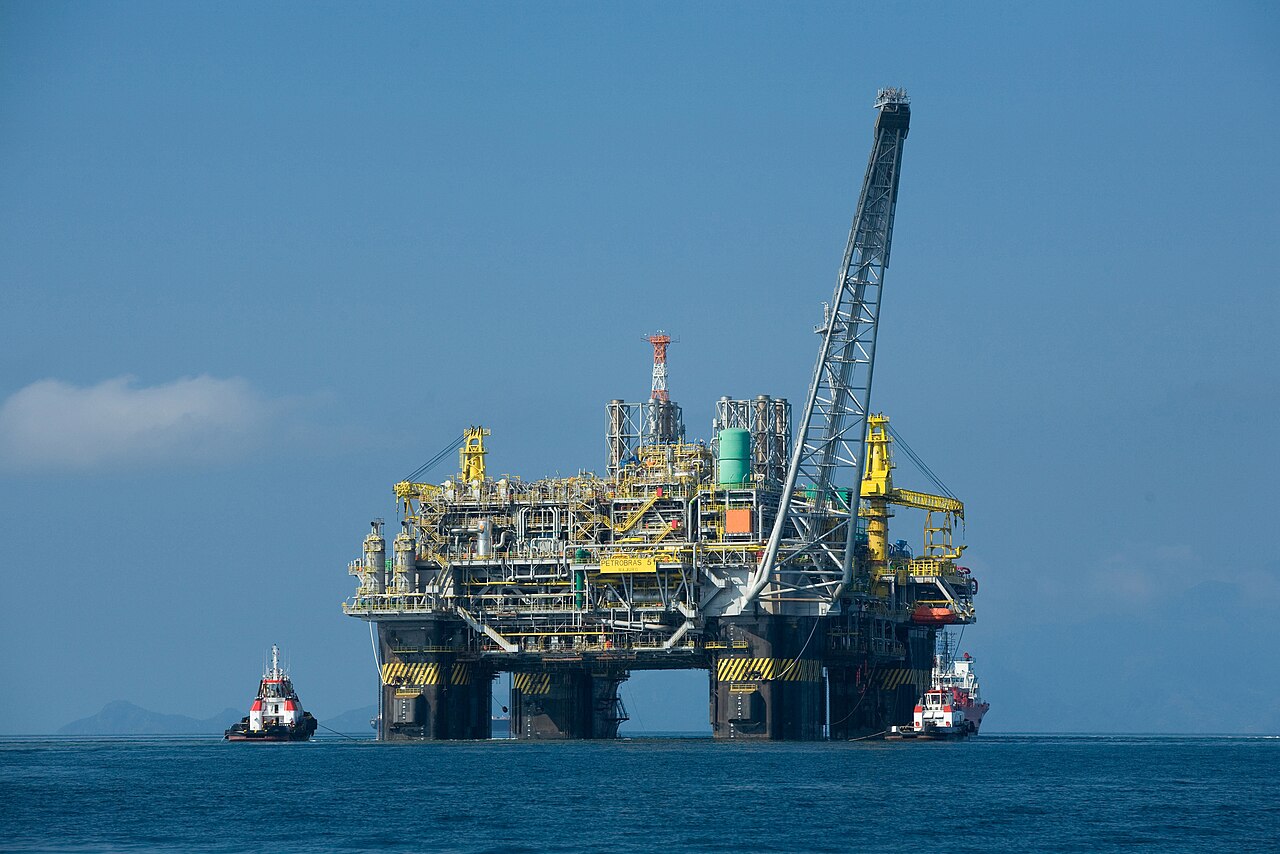
Global oil prices surged on March 12, 2026, following Iranian attacks on shipping in the Gulf region. This escalation prompted a halt in Iraqi oil port operations and precautionary measures by Oman, directly impacting crude supply routes. The geopolitical developments have fueled concerns over persistent inflationary pressures and triggered a broad negative reaction across international financial markets.
Brent crude futures experienced a nearly 9% increase, reaching $100.07 per barrel, while U.S. crude futures climbed 8% to $94.25. These significant price movements reflect heightened risk premiums associated with Middle Eastern oil transit. The attacks involved explosive-laden boats targeting two fuel tankers within Iraqi waters, leading to immediate operational disruptions.
Regional Shipping Disruptions
Iraqi authorities were compelled to suspend oil port activities as a direct consequence of the incidents. Concurrently, Oman initiated the clearing of vessels from its primary oil export terminal, a precautionary measure to mitigate potential risks. These actions underscore the immediate vulnerability of maritime trade in the region.
Global Market Repercussions
Equity markets globally registered declines in response to the escalating tensions. MSCI's broadest index of Asia-Pacific shares, excluding Japan, fell by 1.6%, and Japan's Nikkei index dropped 1.7%. Futures for the S&P 500 and Nasdaq both decreased by 1%, while EUROSTOXX 50 futures saw a 1.1% decline, indicating widespread investor apprehension.
Inflationary Pressures and Monetary Policy
The bond market also reflected these concerns, with two-year U.S. Treasury yields reaching their highest point since August. This movement suggests a global expectation of rising borrowing costs, as investors price in increased inflation risks. Central banks are anticipated to maintain current interest rates in the immediate future, with Australia's central bank even projected to implement a rate hike.
Historical Context of Regional Tensions
This incident is not isolated, as the Persian Gulf has historically been a flashpoint for geopolitical tensions impacting global energy markets. Previous disruptions, often involving maritime security, have consistently demonstrated the region's critical role in global oil supply and its capacity to influence international economic stability.
The Strait of Hormuz, a narrow waterway connecting the Persian Gulf to the open ocean, is particularly sensitive, with approximately one-fifth of the world's total oil consumption passing through it daily. Any threat to this choke point invariably sends ripples through global commodity markets.
Outlook for Energy Markets
The immediate outlook for energy markets remains volatile, contingent on the de-escalation or further intensification of regional hostilities. Sustained disruptions could lead to higher and more prolonged inflationary periods, potentially influencing the monetary policy decisions of major economies. Analysts are closely monitoring diplomatic efforts and military postures in the Gulf to assess future supply stability and price trajectories.
Implications
Country Impact: Iraq's oil export operations faced immediate disruption, while Oman implemented precautionary measures for its key export terminal. These actions highlight the direct impact of regional instability on national economic activities and energy infrastructure.
Industry Impact: The global energy sector, particularly oil and shipping, is experiencing heightened volatility and increased risk premiums. Tanker operators and insurers face elevated costs and operational challenges due to security concerns in critical maritime routes.
Market Impact: Global financial markets, including equities and bonds, reacted negatively to the increased geopolitical risk and inflationary outlook. Investors are shifting towards safer assets, and central banks may face pressure to maintain tighter monetary policies.