Tehran Air Pollution Surges After Oil Facility Strikes
Tehran experiences severe air pollution and "black rain" after reported airstrikes on oil facilities, raising health concerns for 10 million residents.
Lauren Collins ·
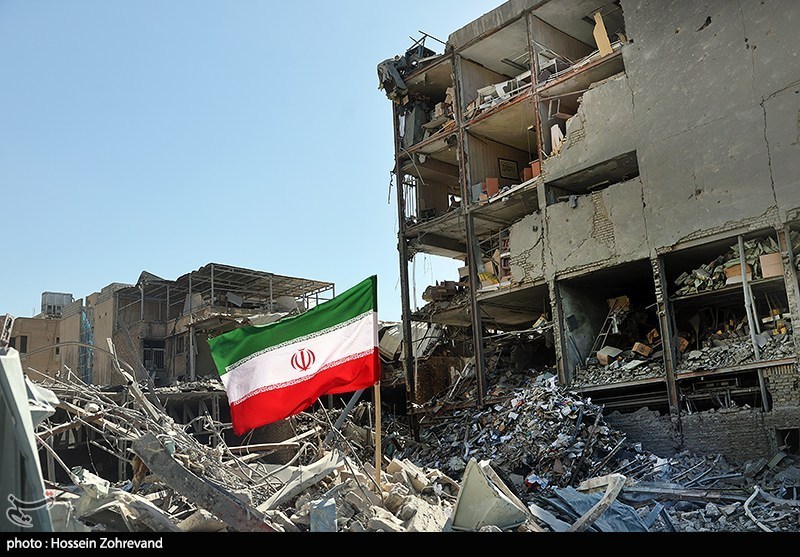
Tehran, Iran, has experienced a significant increase in air pollution and unusual atmospheric conditions, including "black rain," following reported airstrikes on oil facilities near the capital. The environmental degradation began around February 28, with satellite imagery from March 9 indicating ongoing fires at the Shahran depot and the Tehran oil refinery. These incidents have raised considerable health concerns for the city's nearly 10 million inhabitants.
Environmental Impact and Health Risks
The incomplete combustion of petroleum products at the damaged sites has released a complex mixture of harmful substances into the atmosphere. Scientists have identified carbon monoxide, soot particles, sulfur and nitrogen oxides, various hydrocarbons, and metallic compounds among the pollutants. This chemical cocktail is considered highly detrimental to public health, posing both immediate and long-term risks.
Residents have reported dense smog and a pervasive odor of burning, with "black rain" observed on Sunday, March 10. The World Health Organization (WHO) has voiced serious concerns regarding the potential health consequences for Tehran's population, which could include respiratory illnesses and an elevated risk of cancer due to prolonged exposure to these toxins.
International Response and Attribution
While neither the United States nor Israel has officially acknowledged responsibility for the strikes, the Israel Defense Forces (IDF) previously referenced targeting "fuel depots" near Tehran on March 7. This statement aligns with the timeline of the reported incidents and the subsequent environmental impact observed in the Iranian capital.
Experts from institutions such as the University of Reading and University College London have characterized the scale and specific chemical composition of the pollution as highly unusual for an urban environment. They compare the situation to a major industrial accident, highlighting the severity of the environmental damage. Although precise ground-based measurements are currently unavailable, the hazardous nature of the chemical mixture is not in doubt.
Outlook and Broader Implications
The immediate dispersion of pollutants may occur with future rainfall and stronger winds. However, this could lead to secondary environmental issues, such as the contamination of waterways or the re-suspension of particulate matter in the air, thereby extending the period of environmental and health impacts. The long-term ecological and public health consequences remain a significant concern for the region.
This event underscores the broader geopolitical tensions in the Middle East and their potential for severe environmental and humanitarian repercussions. The targeting of critical infrastructure, particularly energy facilities, can have cascading effects that extend far beyond military objectives, impacting civilian populations and regional ecosystems for prolonged periods.
Implications
Country Impact: Iran faces significant public health challenges and environmental remediation efforts due to the widespread pollution. The incident could exacerbate domestic discontent and strain resources allocated for public services and environmental protection.
Industry Impact: The global oil and gas industry may face increased scrutiny regarding the vulnerability of energy infrastructure in conflict zones. Potential disruptions to supply chains and environmental liabilities could become more prominent considerations for operators.
Market Impact: Energy markets could experience volatility if similar incidents occur, impacting oil prices and investor confidence in regional stability. Insurance markets may also adjust premiums for assets in high-risk geopolitical areas.