Trump Rejects Iran Talks, Threatens Leadership
U.S. President Trump rejected Iran negotiations, threatening military action against its leadership amid escalating regional tensions and Iranian…
Lauren Collins ·
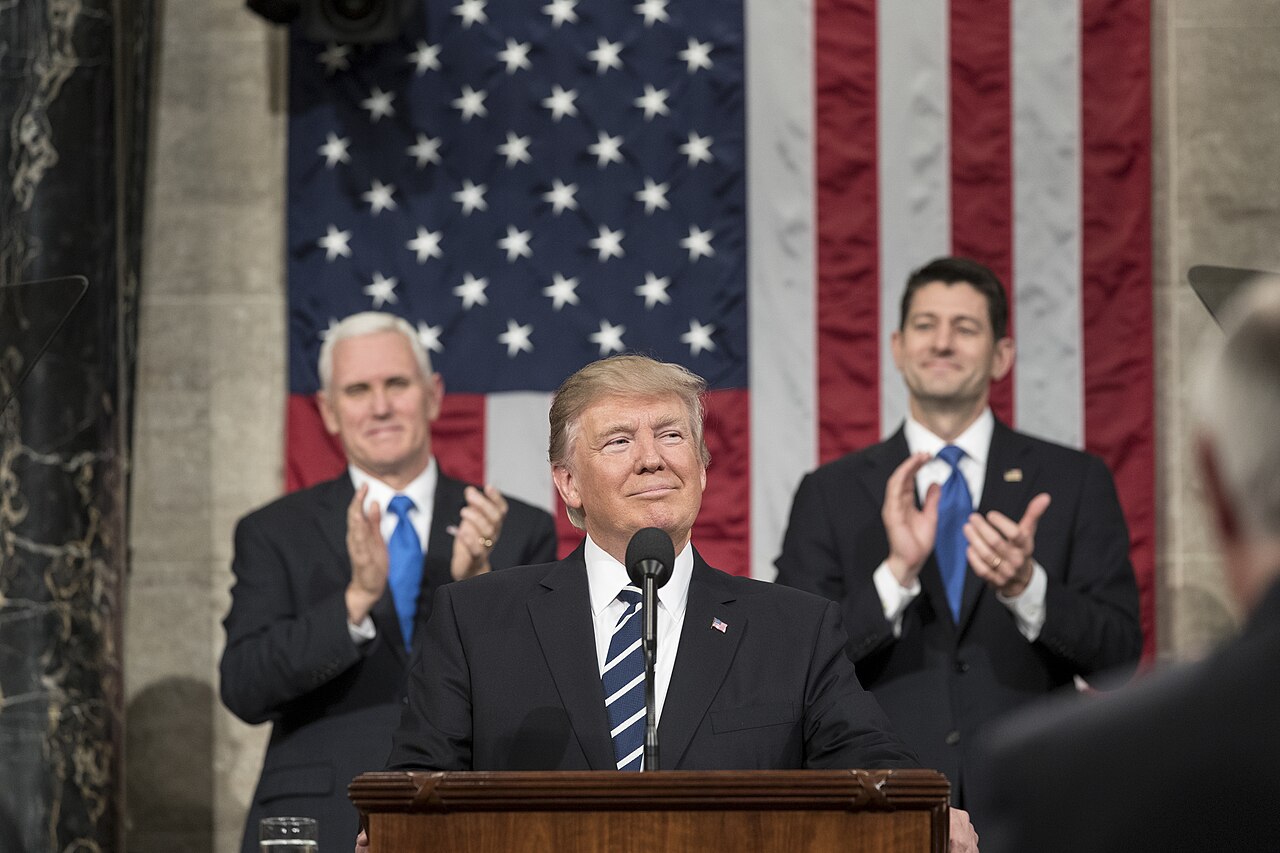
U.S. President Donald Trump declared on Saturday, March 8, 2026, that he has no interest in negotiating a resolution to the U.S.-Israeli conflict with Iran. Speaking from Air Force One, President Trump suggested that military action, specifically an air campaign targeting Iranian leadership and military assets, could negate the need for diplomatic engagement.
This statement follows a week of heightened U.S.-Israeli military operations directed at Iran. Concurrently, Iranian President Masoud Pezeshkian issued an apology to neighboring nations for attacks on U.S. installations within their territories, signaling an effort to reduce regional tensions.
Iranian De-escalation Efforts
This apology drew criticism from hardline factions within Iran. In response, President Pezeshkian's office reiterated that Iran would maintain a strong military response to any attacks originating from U.S. bases in the region.
Regional Warnings and Incidents
Separately, an explosion occurred near the U.S. embassy in Oslo, Norway, on Sunday. The incident resulted in minor damage but no casualties, and the cause of the blast has not yet been determined.
Geopolitical Context
Iran's internal political dynamics show a division between those seeking de-escalation and hardliners advocating for continued confrontation. The broader regional stability remains precarious, with key players like Saudi Arabia issuing direct warnings regarding potential escalation.
Implications
Country Impact: The U.S. stance suggests a potential shift towards more aggressive foreign policy regarding Iran, impacting regional stability. Iran faces internal political divisions over de-escalation efforts, complicating its international relations.
Industry Impact: The energy sector in the Middle East remains vulnerable to geopolitical tensions, as evidenced by the Saudi warning regarding attacks on its infrastructure. Defense industries may see increased activity due to heightened military readiness.
Market Impact: Global markets could react to increased geopolitical risk, particularly in oil prices due to potential disruptions in the Middle East. Investor confidence may be affected by the uncertainty surrounding military actions and diplomatic failures.