Trump Criticizes UK Over Middle East Military Role
Donald Trump criticized the UK's military role in the Middle East on March 8, 2026, stating the U.S.
Lauren Collins ·
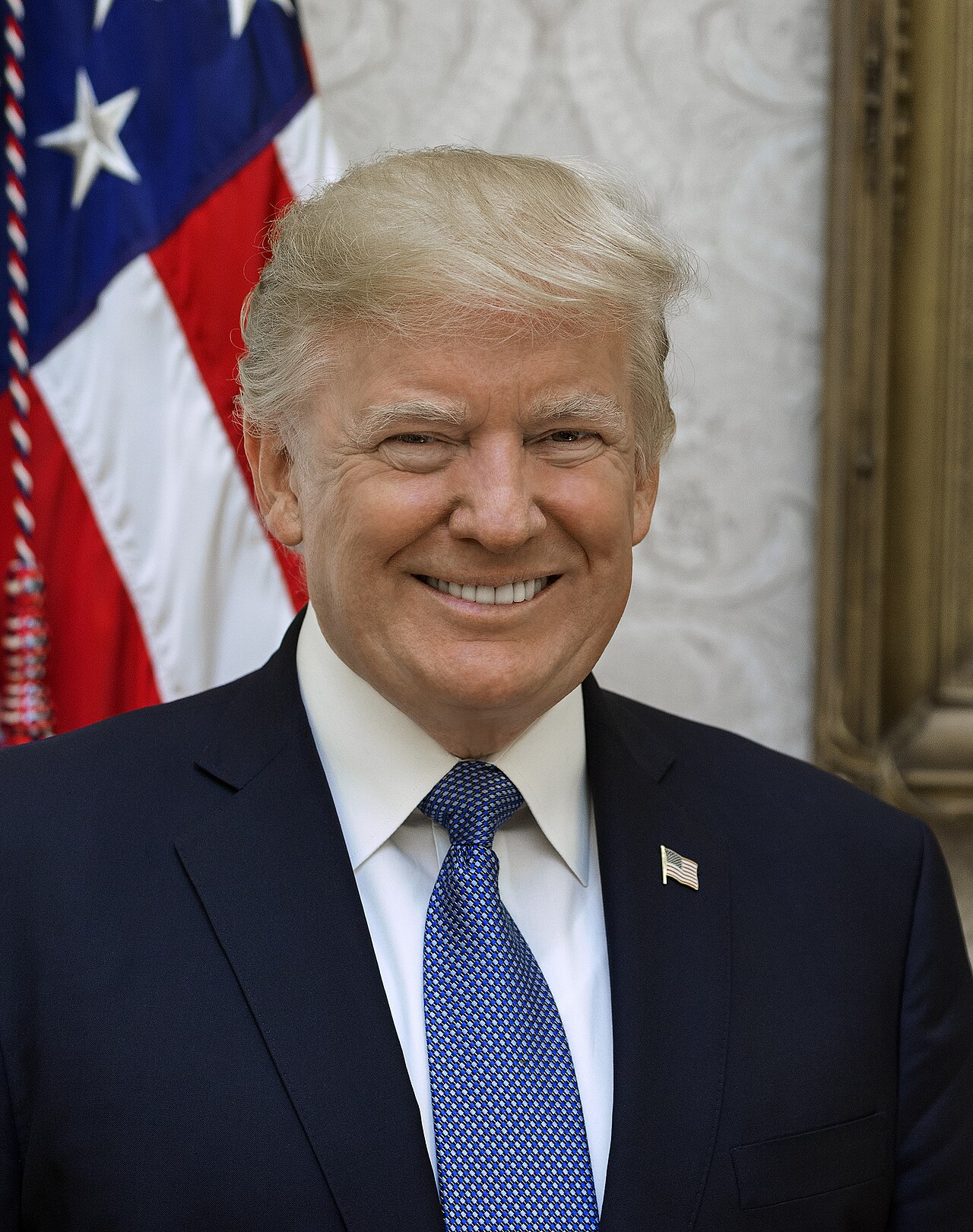
Former U.S. President Donald Trump publicly criticized the United Kingdom on Saturday, March 8, 2026, regarding its military contributions in the Middle East. Writing on Truth Social, Trump asserted that the United States no longer required British aircraft carriers in the region, specifically referencing an ongoing conflict involving Iran. This statement emerged shortly after the UK Ministry of Defence announced its HMS Prince of Wales aircraft carrier was on "high readiness."
Trump's remarks, which characterized the UK as a "once Great Ally," highlight potential strains in the transatlantic relationship. The criticism follows recent military actions by the U.S. and Israel against Iran, which began on February 28, 2026. The broader conflict has led to significant casualties, including an estimated 1,332 fatalities in Iran and six confirmed U.S. service member deaths, alongside additional casualties reported in Lebanon, Kuwait, the United Arab Emirates, and Iraq.
UK's Role and Domestic Context
The UK government, led by Prime Minister Keir Starmer, has increased its involvement in the regional conflict. S. " This decision by Starmer's administration followed an initial period of reluctance, during which the Prime Minister faced domestic scrutiny and affirmed that the UK would not participate in offensive strikes, citing national interests.
Public opinion in the UK reflects this cautious approach. A recent Survation poll of 1,045 British adults indicated that 43% considered the conflict unjustifiable. Furthermore, 56% of respondents approved of Starmer's initial stance to restrict the use of U.S. bases. These figures underscore a domestic political environment sensitive to military engagement abroad.
Historical Tensions and Geopolitical Implications
Trump's recent criticism also touched upon Starmer's 2024 decision to transfer administrative control of the Chagos Islands to Mauritius. Despite this transfer, the agreement stipulated the continued military presence of both the U.S. and UK on Diego Garcia, a strategically vital base. This historical context adds another layer to the current diplomatic friction.
Previous tensions between Trump and the UK have also surfaced, notably in January 2026, concerning his comments on NATO allies' contributions to operations in Afghanistan. S. foreign policy discourse. The current remarks could signal a shift in how a potential future Trump administration might view traditional alliances and military cooperation, especially concerning resource allocation and strategic priorities in complex geopolitical theaters like the Middle East.
Implications
Country Impact: The UK faces potential diplomatic challenges with the U.S., particularly if a future administration aligns with Trump's views. Domestically, the government must balance international commitments with public sentiment regarding military involvement and base usage.
Industry Impact: Defense industries in both the U.S. and UK could see shifts in procurement and joint operational planning based on evolving alliance dynamics. The perceived value of allied military assets, such as aircraft carriers, may be re-evaluated.
Market Impact: Geopolitical tensions in the Middle East, exacerbated by such public disagreements, could introduce volatility into global oil markets and defense sector stocks. Investor confidence in transatlantic stability may also be affected by perceived rifts between key allies.