Tigray Peace Accord Under Strain Amid Rising TPLF Power
Ethiopia's 2022 Tigray peace accord faces instability as the TPLF reportedly reasserts political and military influence, leading to renewed clashes.
Lauren Collins ·
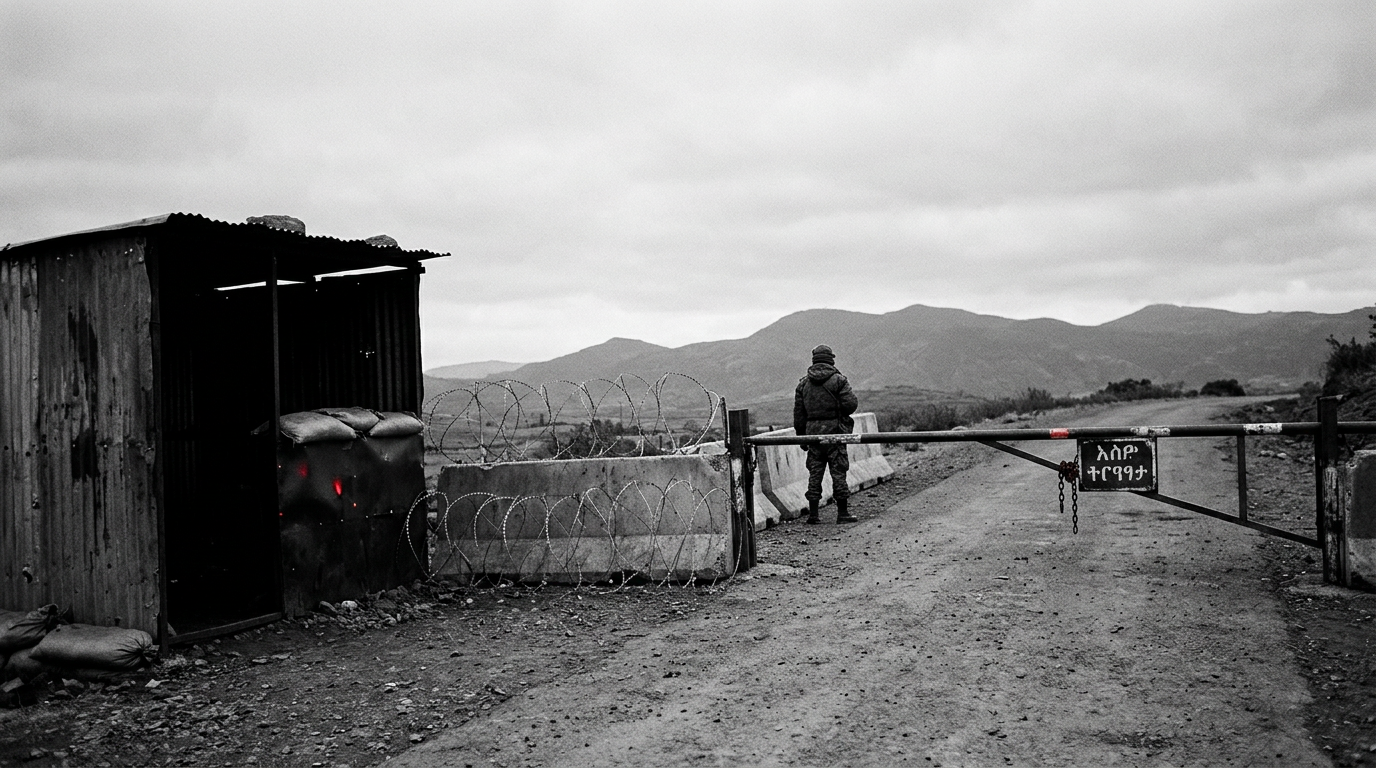
The 2022 Pretoria Agreement, designed to end the conflict in Ethiopia's Tigray region, is showing significant signs of instability. Reports indicate that the Tigray People’s Liberation Front (TPLF) is increasing both its political and military influence, nearly four years after a ceasefire was established. This resurgence has led to renewed armed confrontations and internal power struggles within the region, directly challenging the disarmament framework set out by the accord.
The hoped-for transition from conflict to lasting stability has faltered, particularly following a substantial organizational restructuring within the TPLF that began in 2024. These developments raise concerns about the long-term viability of the agreement and the broader peace process.
TPLF's Political Assertiveness and Disarmament Challenges
The TPLF has reportedly strengthened its political authority within Tigray, culminating in the May 2026 election of Debretsion Gebremichael as the region's president. This political shift is said to coincide with new recruitment and mobilization efforts, actions specifically prohibited under Article 7 of the Pretoria Agreement. Such developments suggest that the Disarmament, Demobilization, and Reintegration (DDR) process may not have effectively dismantled regional military structures as intended.
The original accord aimed to establish a demilitarized zone and ensure the safe return of displaced populations. However, recent actions reportedly deviate from these core principles, creating a vacuum where regional forces can potentially re-arm and reorganize. This undermines trust between the involved parties and casts doubt on the full implementation of the DDR process.
Escalating Military Tensions and Shifting Alliances
Military tensions have reportedly escalated throughout 2026. Forces aligned with the Tigray Defence Forces (TDF) have been involved in territorial disputes, with clashes reported in areas like the Tselemt district. Additionally, TDF-aligned fighters are said to have taken control of Alamata and Korem following the withdrawal of federal command posts, indicating a breakdown in previously established security arrangements.
The security landscape is further complicated by shifting regional alliances, including reports of contacts between TPLF representatives and Eritrean officials. As both federal and regional actors exchange accusations regarding the resurgence of violence, unresolved territorial and political disputes that predated the 2022 agreement continue to destabilize the peace process. These persistent issues threaten to unravel the fragile peace, increasing the likelihood of a return to large-scale conflict. The critical question remains whether federal and regional authorities can re-engage on these fundamental disagreements, or if the current trajectory will lead to a complete collapse of the Pretoria Agreement, impacting broader regional stability and ongoing humanitarian efforts.