US Retaliates Against IRGC After Hormuz Strait Incidents
The U.S. conducted retaliatory actions against Iran's IRGC following recent attacks in the Strait of Hormuz, raising regional tensions.
Mateo Fernandez ·
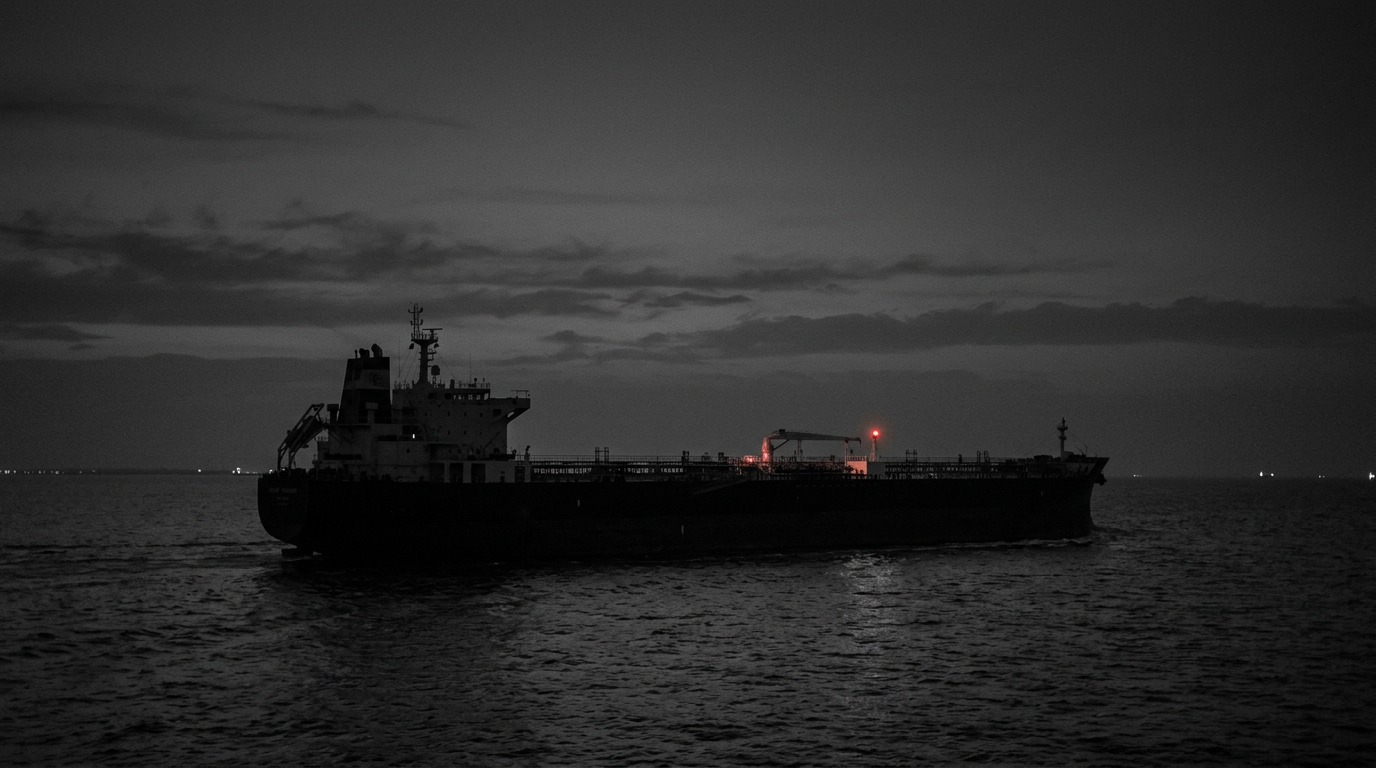
The United States initiated retaliatory actions targeting Iran's Islamic Revolutionary Guard Corps (IRGC) on Tuesday, officials confirmed. This move comes in response to earlier attacks within the strategic Strait of Hormuz, a critical international waterway. Initial statements from officials indicated the action was a direct consequence of the incidents in the strait, though specific operational details regarding the nature of the retaliation were not immediately disclosed.
The extent of any damage, the precise targets engaged, or potential casualties from the U.S. response remained unclear in the immediate aftermath. This development marks a significant escalation, transforming maritime security concerns into a direct confrontation between the U.S. and the IRGC, thereby heightening geopolitical risks surrounding a vital global oil transit route.
Strait of Hormuz Significance
The Strait of Hormuz is globally recognized as an indispensable chokepoint for the transit of energy resources, particularly oil, from the Persian Gulf to international markets. Any military engagement or instability near this waterway has immediate and far-reaching implications for global shipping, marine insurance premiums, and crude oil prices. Market participants will closely monitor whether tanker movements through the strait continue unimpeded and if regional oil producers signal any alterations to their scheduled loading operations.
For Iran, the critical question revolves around how its leadership will interpret and react to the U.S. response. Authorities must decide whether to view the retaliation as a contained event or if it warrants a counter-response, potentially utilizing forces operating in the Gulf, Iraq, Syria, or Yemen.
Potential Market and Economic Repercussions
Should commercial maritime traffic through the Strait of Hormuz remain consistent, the broader economic impact might largely be confined to an increased geopolitical risk premium on global oil and freight costs. However, a continuation of attacks or a scenario where vessels begin to avoid the route could lead to more severe consequences. Such a disruption would likely result in higher energy costs for importers, refineries, and airlines worldwide.
This situation would also complicate inflation projections for central banks globally, potentially influencing monetary policy decisions. As September 2 approaches, market observers and analysts will be closely watching official statements emanating from Washington and Tehran. Additionally, insights from tanker-tracking data and any guidance from Gulf energy producers regarding their cargo schedules will be crucial indicators for assessing the unfolding situation.
Historical Context of Tensions
Tensions in the Strait of Hormuz and the broader Persian Gulf region have a long history, frequently linked to geopolitical dynamics between Iran and Western powers. Incidents involving maritime vessels, including attacks on tankers and seizures, have occurred periodically, often coinciding with escalations in diplomatic or economic pressures. The U.S. maintains a significant naval presence in the region, citing the need to ensure freedom of navigation and protect global trade routes. These latest actions underscore the persistent fragility of security in this critical maritime corridor and its deep connection to international energy markets.