Nepal Floods: Two Hydropower Workers Rescued After Nine Days
Two workers were rescued from Nepal's Trishuli 3A hydropower project nine days after devastating floods, as recovery efforts continue amid widespread damage.
Lauren Collins ·
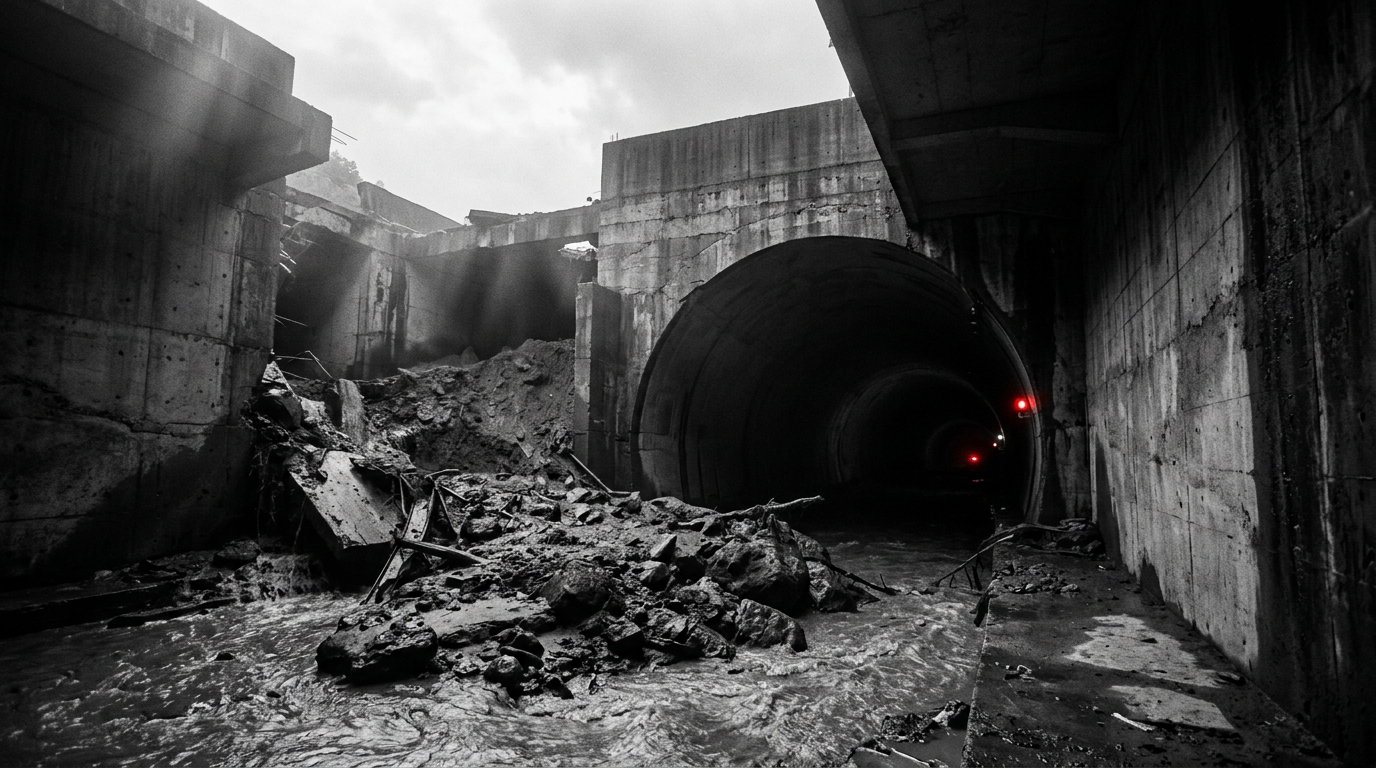
Two workers have been successfully extracted from the Trishuli 3A hydropower project in Nepal, completing a nine-day rescue operation. This development follows severe flash floods, triggered by a glacial collapse along the Nepal-Tibet border, which caused extensive destruction across the region. The rescue brings a measure of hope amidst a disaster that has severely impacted critical energy infrastructure, with nearly 30 hydropower facilities reportedly damaged or compromised.
Rescuers faced formidable challenges over nine days to reach the trapped individuals. The operation navigated treacherous and unstable terrain, compounded by the constant threat of tunnel inundation, underscoring the extreme complexities of such missions. The incident highlights the vulnerability of the region's energy sector to natural catastrophes.
Widespread Devastation and Casualties Mount
Official figures from Nepal indicate a grim toll, with 1,294 fatalities confirmed. Furthermore, over 5,000 individuals remain unaccounted for. Among the deceased, 583 were foreign nationals, reflecting the international presence in the affected areas. Across the border, Chinese authorities have reported 31 deaths and 531 missing persons, including 261 foreign citizens.
The extensive scale of the devastation has prompted international assistance. Specialized disaster response teams from Australia and other nations are actively engaged in search-and-rescue operations and efforts to identify victims. These teams play a crucial role in addressing the unfolding humanitarian crisis throughout the impacted zones.
Critical Energy Infrastructure Under Threat
The damage sustained by approximately 27 to 30 hydropower assets poses a significant long-term challenge for regional power stability and economic recovery. Arnold Dix, an Australian engineer and geologist advising on the Trishuli 3A operation, described the catastrophe as unprecedented. He noted that his usual work involves responding to single incidents, not a situation where numerous facilities are concurrently damaged and require immediate attention.
Ongoing multi-site rescue operations prioritize locating survivors, despite the high risks involved for rescue personnel. Teams must balance the urgency of recovery efforts with the persistent danger of secondary collapses and further flooding within compromised tunnel systems. Efforts are particularly focused on specific areas, such as the "Goldilocks zone" within the Trishuli 3A power station, where the possibility of finding additional survivors persists. Roughly 40 workers are still believed to be trapped within the Trishuli 3A facility.
Long-Term Recovery and Reconstruction Outlook
The immediate focus remains firmly on humanitarian aid and the ongoing rescue missions. However, the widespread damage to vital energy infrastructure suggests that a prolonged period of reconstruction will be necessary. Significant investment will be essential to restore regional power stability and to implement robust measures that can mitigate future vulnerabilities to similar natural disasters. This includes evaluating and enhancing infrastructure resilience against the increasing frequency and intensity of extreme weather events linked to climate change, ensuring a more sustainable energy future for the region.