Philippine Stocks Decline as US-Iran Tensions Lift Oil, Peso Weakens
The Philippine Stock Exchange Index fell by 0.67 percent, driven by rising global oil prices and bond yields following renewed US-Iran tensions, alongside a…
Mei Lin ·
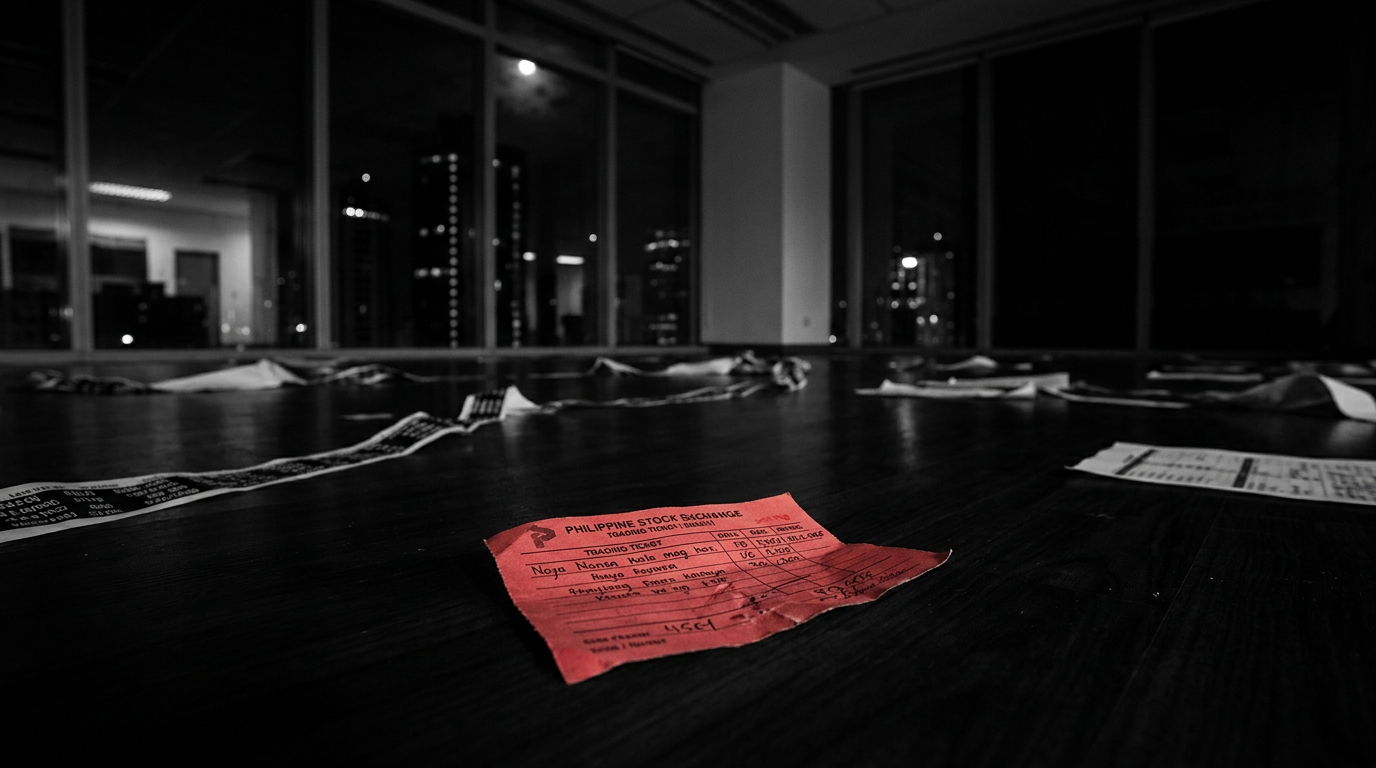
The Philippine Stock Exchange Index (PSEi) declined by 0.67 percent, or 40.66 points, closing at 6,053.23 on Wednesday. This downturn followed renewed geopolitical tensions between the United States and Iran, which propelled global oil prices and bond yields higher, while the Philippine peso depreciated to a record low against the dollar.
President Trump affirmed a commitment to respond “hard” to any Iranian action, intensifying rhetoric surrounding Middle East stability. This geopolitical friction immediately influenced commodity markets and investor sentiment, particularly in emerging economies sensitive to external shocks.
PSEi Responds to Global Spillovers
The PSEi's Wednesday drop marks a reaction to increasing global yields and elevated oil prices, stemming from heightened US-Iran hostilities. This environment typically pressures emerging market assets as investors seek safer havens and higher returns elsewhere. The peso s performance, falling to a new low, compounded the negative sentiment, reflecting concerns over capital outflows and inflationary pressures.
Philippine economic growth, recorded at 5.7 percent in the first quarter of 2024 by the Philippine Statistics Authority, remains robust. However, this growth trajectory is susceptible to external variables, particularly global oil price volatility, given the nation's reliance on imported energy. Inflation, which the Bangko Sentral ng Pilipinas (BSP) aims to manage within a 2-4 percent target range, could see upward pressure from higher crude costs.
Economy Faces Import Dependence
The Philippines, a net oil importer, is particularly vulnerable to shifts in global crude prices. According to the Department of Energy, the country imports over 90 percent of its crude oil requirements. Sustained increases in oil prices directly translate into higher domestic fuel and utility costs, affecting consumer purchasing power and corporate operational expenses, and potentially fueling inflation.
The Philippine Stock Exchange
The Bangko Sentral ng Pilipinas has actively managed monetary policy to curb inflation, implementing a cumulative 450 basis points in interest rate hikes since May 2022. The peso's depreciation, trading at 58.74 against the dollar in mid-June, adds another layer of complexity. A weaker currency makes imports more expensive, further contributing to inflationary pressures and eroding the purchasing power of remittances from overseas Filipino workers.
Global Macro Picture Shifts
The renewed US-Iran tensions are pushing global crude benchmarks higher. Brent crude, a key international reference, rose 1.5 percent to $85.70 a barrel on Tuesday, data. This rise in energy costs can dampen global economic activity, forcing central banks worldwide to confront a renewed inflationary impulse, potentially delaying anticipated rate cuts or even prompting further tightening.
For the Philippines, the immediate concern is the twin impact of imported inflation and potential capital flight. While the country's foreign exchange reserves stood at $104.5 billion in May 2024, providing a buffer against external shocks, persistent currency weakness and inflation could strain this resilience. The broader Asian macro picture may see other net energy importers facing similar challenges, potentially leading to synchronized policy responses to stabilize economies.
BSP's Policy Stance Ahead
Investors are closely watching the Bangko Sentral ng Pilipinas' response to these developments. Its primary challenge lies in balancing economic growth support with inflation control and currency stability. Analysts expect the BSP to maintain its hawkish stance if external pressures persist, potentially postponing any interest rate reductions. Its next policy meeting will offer further clarity on its assessment of the current environment and its forward guidance.
Future Policy Signals
The Bangko Sentral ng Pilipinas will likely issue public statements or take actions regarding currency intervention, interest rate adjustments, or inflation forecasts.
If the BSP indicates a more aggressive stance to defend the peso or curb inflation through August 30, it suggests the external shock is having a significant domestic impact. Conversely, if the BSP maintains a wait-and-see approach or downplays the long-term impact, it would signal their belief that the current market reaction is temporary or manageable.