African inflows from Gulf shrink as Iran war disrupts work
Remittances from Gulf are showing signs of weakening since the Iran war began, threatening household budgets across several African economies.
Kofi Mensah ·
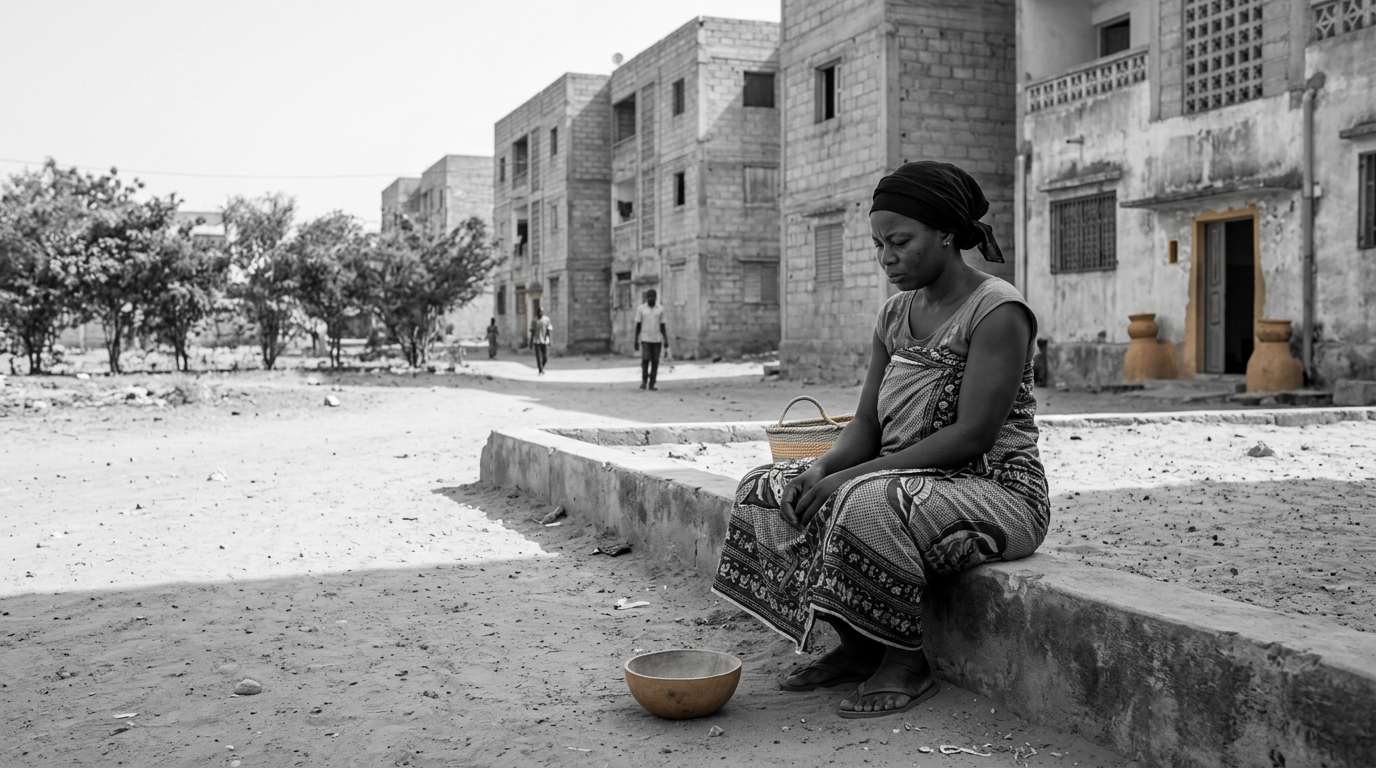
Remittances from Gulf are showing early signs of weakening since the Iran war began, raising concerns for African economies that rely on these flows for household spending.
Central bank and payments data point to a drop in transfers in recent months, with potential spillovers for food, healthcare, rent and school costs. The risk is concentrated in countries with large diaspora communities in Gulf states.
Early data shows a pullback in cash transfers
About 30 million foreign nationals work across the Gulf, many from Africa and South Asia. These workers sent an estimated $124 billion back to their home countries in 2024, making the Gulf one of the world’s most important remittance corridors.
Since the war began, indicators suggest transfer volumes and ticket sizes have softened. Kenya’s central bank reported that inflows from Gulf countries fell 18% in April compared with March.
Private-sector data also signals pressure. Onafriq, a major African digital payments network, said the average value of Gulf-to-Africa transfers has dropped markedly, with its chief executive citing “clear signs of financial strain.”
The contraction matters because remittances typically respond quickly to job insecurity, wage disruptions, and higher living costs in host countries. Unlike longer-horizon investment flows, remittance changes can show up in consumer budgets within weeks.
High-exposure countries face sharper household impacts
Several African nations are particularly exposed to any sustained slowdown because of the size of their Gulf-based workforces. Egypt, Ethiopia, Rwanda, Somalia and Sudan are among the largest recipients of transfers from citizens living and working in Gulf states.
Remittances are often used for everyday needs rather than long-term savings, so even moderate declines can have outsized social effects. Households typically allocate incoming funds to staples, utilities, medical expenses, housing payments and school fees.
The spending pattern also links remittances directly to local business activity. When recipients spend the money close to home, it supports neighborhood trade and services, including small retailers, transport providers and informal employment.
That transmission channel can amplify shocks during periods of uncertainty. If household consumption slows, local merchants and service providers may see weaker turnover, potentially feeding back into jobs and prices.
Why remittances differ from aid and investment
In 2024, remittances to Africa were roughly comparable in scale to foreign direct investment, underscoring their macroeconomic importance. But their practical role differs from both FDI and official development assistance.
FDI tends to concentrate in specific sectors and can be sensitive to investor sentiment and policy risk. Overseas aid is usually routed through governments and programs, while remittances generally reach families directly, often making them a first line of support during hardship.
For policymakers, this mix creates a dilemma during geopolitical disruption. Countries cannot easily replace household-to-household transfers with public spending without straining budgets, especially if war-related uncertainty also tightens access to external financing.
The near-term question is whether the April declines represent a brief adjustment or the start of a longer downturn tied to employment conditions and payment frictions in the Gulf. Further central bank updates and transaction data from payments networks will be closely watched for confirmation.
If the slide persists, governments may face rising demand for social support and pressure on domestic consumption. Financial regulators and payments firms are also likely to track transfer costs, settlement times and corridor disruptions as the conflict’s economic effects evolve.