Global Markets Surge: Hormuz Reopening Fuels Optimism
A new Strait of Hormuz agreement has sparked a global market rally, boosting equities and cryptocurrencies while driving oil prices lower.
Atlas Newsdesk ·
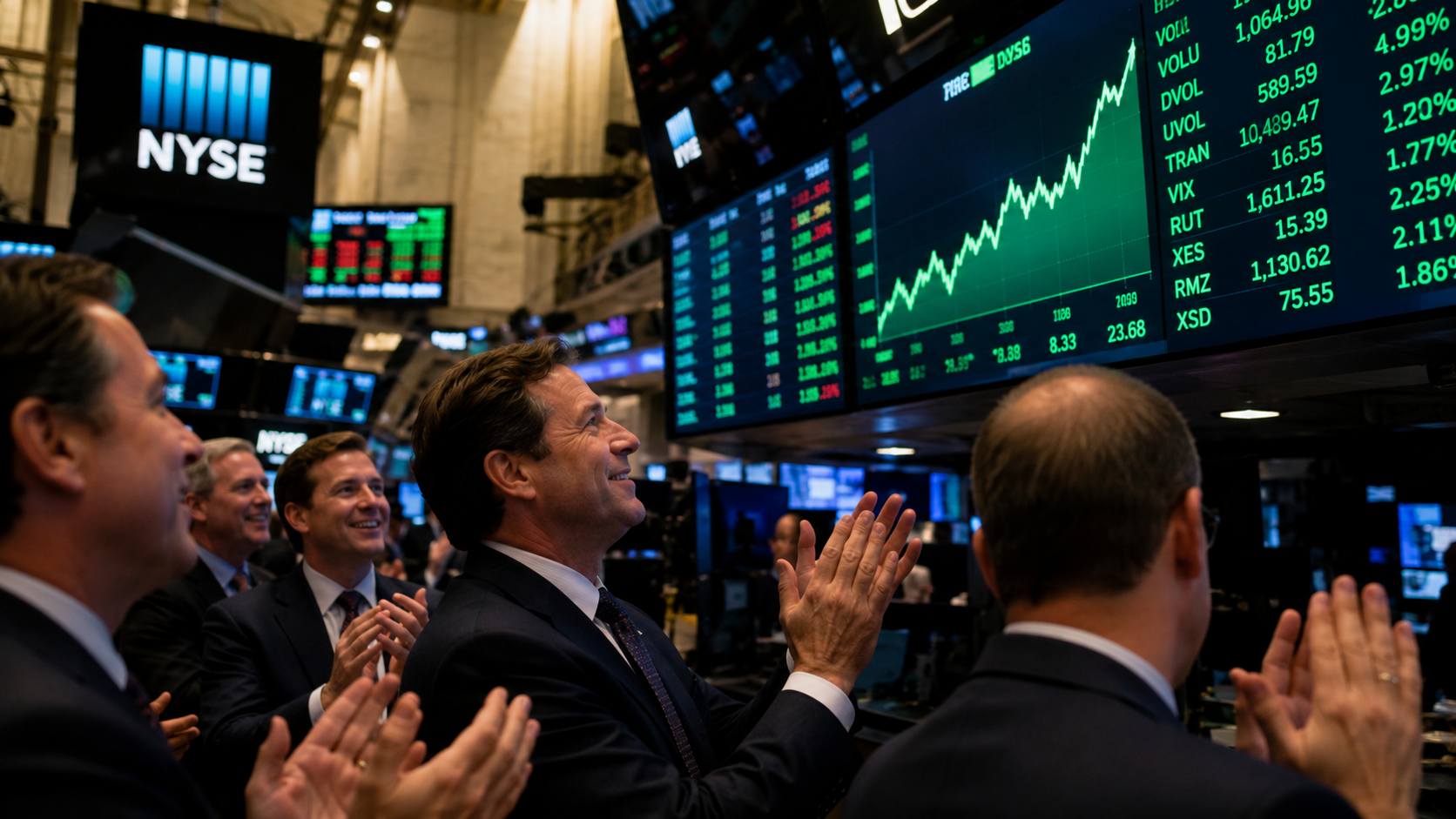
A recent agreement concerning the Strait of Hormuz has sent positive shockwaves through global financial markets. Riskier assets, including stocks and cryptocurrencies, saw substantial gains. This optimism follows expectations that the deal could de-escalate regional tensions and improve global trade flows.
Oil prices, conversely, experienced a notable decline. This suggests investors anticipate a more stable supply outlook, easing previous inflation concerns linked to energy costs. The broader impact suggests a shift in market sentiment towards greater stability.
Equities and Crypto See Boost
Major US stock indices reacted strongly to the news. The S&P 500 rose by 1.7%, reflecting broad market confidence. Technology stocks led the charge, with the Nasdaq 100 gaining 3.1%.
The Dow Jones Industrial Average reached new all-time highs, signaling robust investor enthusiasm. This surge indicates a flight into growth-oriented assets, driven by the perceived reduction in geopolitical risk.
Cryptocurrencies also benefited from the positive sentiment. Bitcoin, a key indicator for digital assets, climbed above $66,000. This rally in crypto mirrors the broader increase in risk appetite among investors.
Oil Prices Decline, Inflationary Pressures Ease
US crude oil futures settled below $81 per barrel following the announcement. This price drop was a direct response to hopes of reduced disruptions in a critical shipping lane. Sustained lower oil prices could alleviate inflationary pressures globally.
The decrease in energy costs offers a potential reprieve for consumers and businesses alike. This could lead to more stable economic conditions moving forward. Economists will watch for the sustained impact on global supply chains.
Fixed Income and Fed Policy
Conversely, the fixed income market saw minimal movement. US Treasuries and the dollar showed little change, suggesting that while risk assets rallied, core safe-haven demand remained largely stable. This indicates a nuanced market response.
Expectations for future Federal Reserve rate hikes have shifted. Bets on aggressive monetary tightening receded, implying that the market perceives a reduced need for sharp interest rate increases. This revised outlook could influence central bank decisions in the coming months, favoring a less hawkish stance.
Looking Ahead: Market Stability and Geopolitics
The Strait of Hormuz agreement signals a potential easing of geopolitical tensions in a critical global corridor. This development is crucial for international trade and energy markets. Stability in this region can foster greater economic predictability.
Markets will now closely monitor the implementation of the agreement and its lasting effects. The sustained positive market reaction will depend on continued geopolitical calm. Further de-escalation could unlock additional economic growth opportunities worldwide.