IMF Warns on Global Economy Amid Strait Reopening
The IMF remains on high alert for the global economy, warning that energy supply recovery will be slow despite the reopening of a key shipping lane.
Cuneyd Erdogan ·
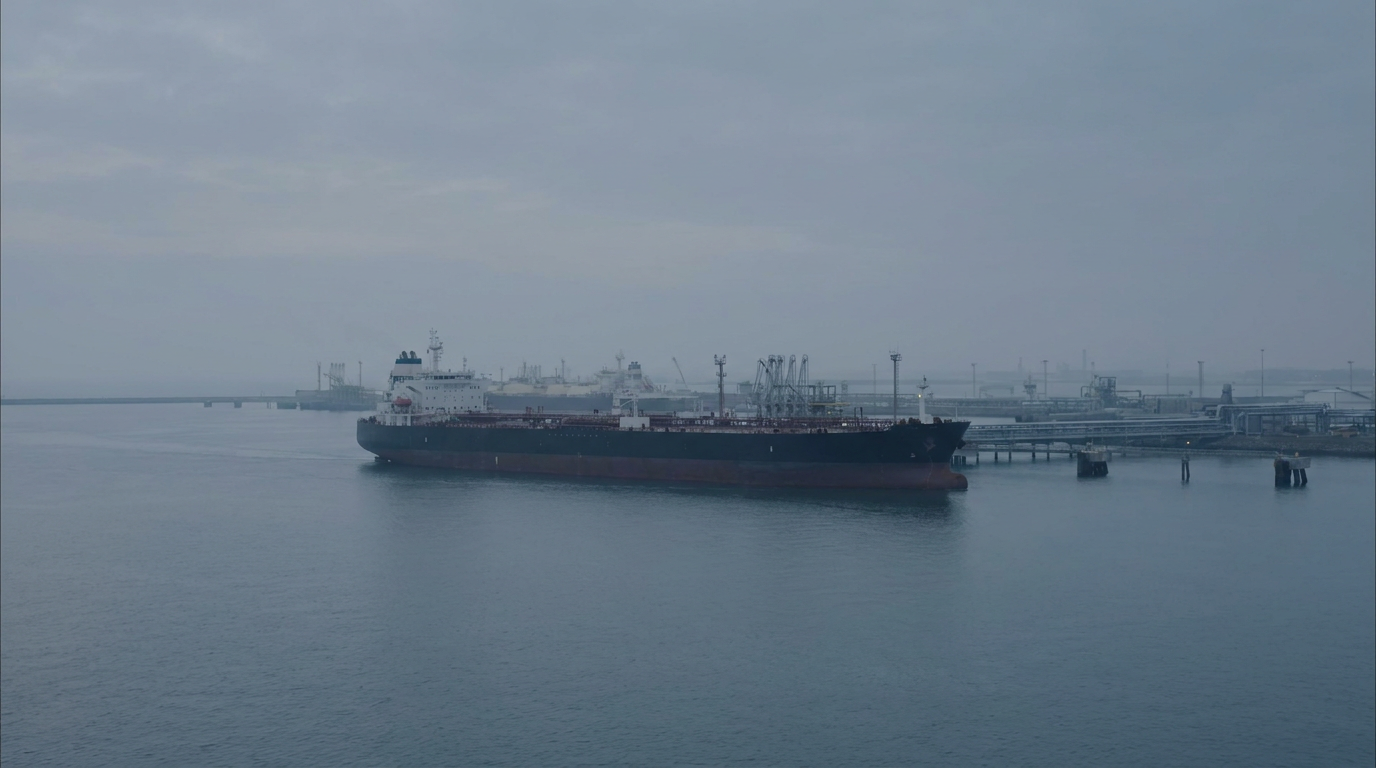
The International Monetary Fund (IMF) maintains a "high alert" status regarding the global economic impacts stemming from the ongoing conflict in the Middle East. Despite the recent announcement by the United States and Iran to reopen the vital Strait of Hormuz, the IMF cautions that a full recovery of energy supplies will not be instantaneous.
IMF Managing Director Kristalina Georgieva highlighted this concern in a recent blog post. She emphasized that while the global economy has, to date, absorbed the initial shocks relatively well, there is no room for complacency regarding potential future disruptions.
Commodity Markets Under Scrutiny
Commodity prices, inflation metrics, and financial market conditions have all shown an impact from the geopolitical situation. These shifts, while significant, have not yet triggered signals indicative of a broader global economic slowdown, according to Georgieva.
However, the underlying vulnerabilities persist, leading to the IMF's continued vigilance. The organization is closely monitoring how these factors evolve and their potential to cascade into more widespread economic challenges across different regions.
Strait of Hormuz Reopens
The United States and Iran have reportedly reached an interim peace agreement concerning the Strait of Hormuz. This development aims to restore full navigability to the crucial waterway, which had been significantly affected since the onset of the conflict over three months ago.
Full specifics of this accord are not yet publicly available. The Strait of Hormuz is a critical chokepoint for global oil shipments, and its disruption carries substantial implications for international energy markets and trade routes.
Long-Term Energy Implications
Despite the positive step of reopening the Strait, the IMF's warning underscores the complexities of global energy markets. Restoring stability and confidence after periods of disruption often takes time, even with access to key transport arteries.
The interconnectedness of supply chains means that any residual uncertainty can influence global energy prices and consumer costs. Businesses and governments are closely watching how quickly the flow of goods normalizes and how this impacts broader economic forecasts.