US Army Halts Apache Training Flights Following Fatal Crash
The US Army has suspended all AH-64E Apache training flights pending a technical investigation into a recent fatal accident in Texas.
Atlas Newsdesk ·
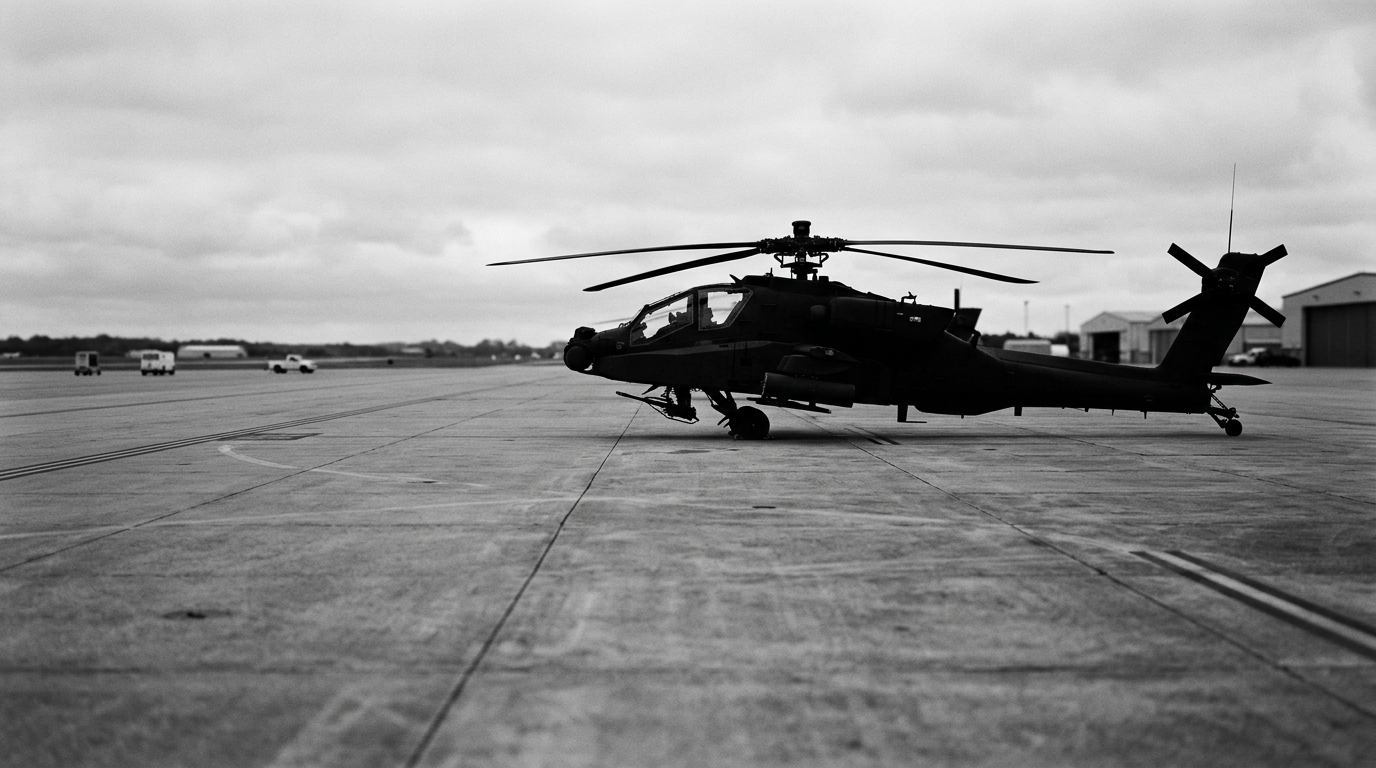
Operational Pause Initiated
The United States Army has implemented a temporary grounding of all training sorties involving AH-64E Apache helicopters. This directive remains in effect until officials conclude a comprehensive technical analysis regarding the root cause of a recent fatal incident in Texas.
Military leadership clarified that this suspension applies exclusively to training maneuvers. Aircraft currently deployed for active operational missions are exempt from these restrictions, reflecting a risk management strategy designed to maintain mission readiness while addressing safety concerns within the training pipeline.
Investigation Scope and Context
The accident occurred on August 12 during a test flight conducted after scheduled maintenance, resulting in the loss of two service members. Army officials are utilizing this pause as a verification mechanism to confirm the airworthiness of the broader fleet.
The ongoing inquiry is expected to examine a wide array of factors, including maintenance protocols, documentation of component replacements, test flight authorization chains, and flight data recorder information. Investigators are also looking for potential systemic malfunctions that could have contributed to the crash.
Fleet Reliability Concerns
This event follows a series of technical issues reported within the Apache fleet over recent years. Previous incidents, including transmission system failures and other aviation mishaps, have led to various operational limitations across different regions in the past.
Recurring technical signals across a single platform often necessitate increased scrutiny regarding supply chain consistency, quality assurance processes, and the management of component lifecycles. Training environments are frequently the first to face restrictions because they involve higher usage rates by personnel in standardization phases, making risk indicators more apparent.
Implications for Readiness
The suspension of training flights may disrupt schedules for pilot proficiency, crew integration, and post-maintenance acceptance testing. To mitigate these impacts, units might increase reliance on flight simulators or adjust training intensity to maintain operational standards.
While operational flights continue, the findings of the investigation remain a critical variable. Should the inquiry reveal broader structural or systemic flaws, the scope of the grounding could be expanded. Conversely, if the issue is isolated to specific maintenance procedures, the restrictions may be lifted once corrective measures are verified.