US-Iran Economic Tensions Heighten Strait of Hormuz Risks
Economic friction between Washington and Tehran is intensifying, creating significant volatility for global energy transit through the Strait of Hormuz.
Atlas Newsdesk ·
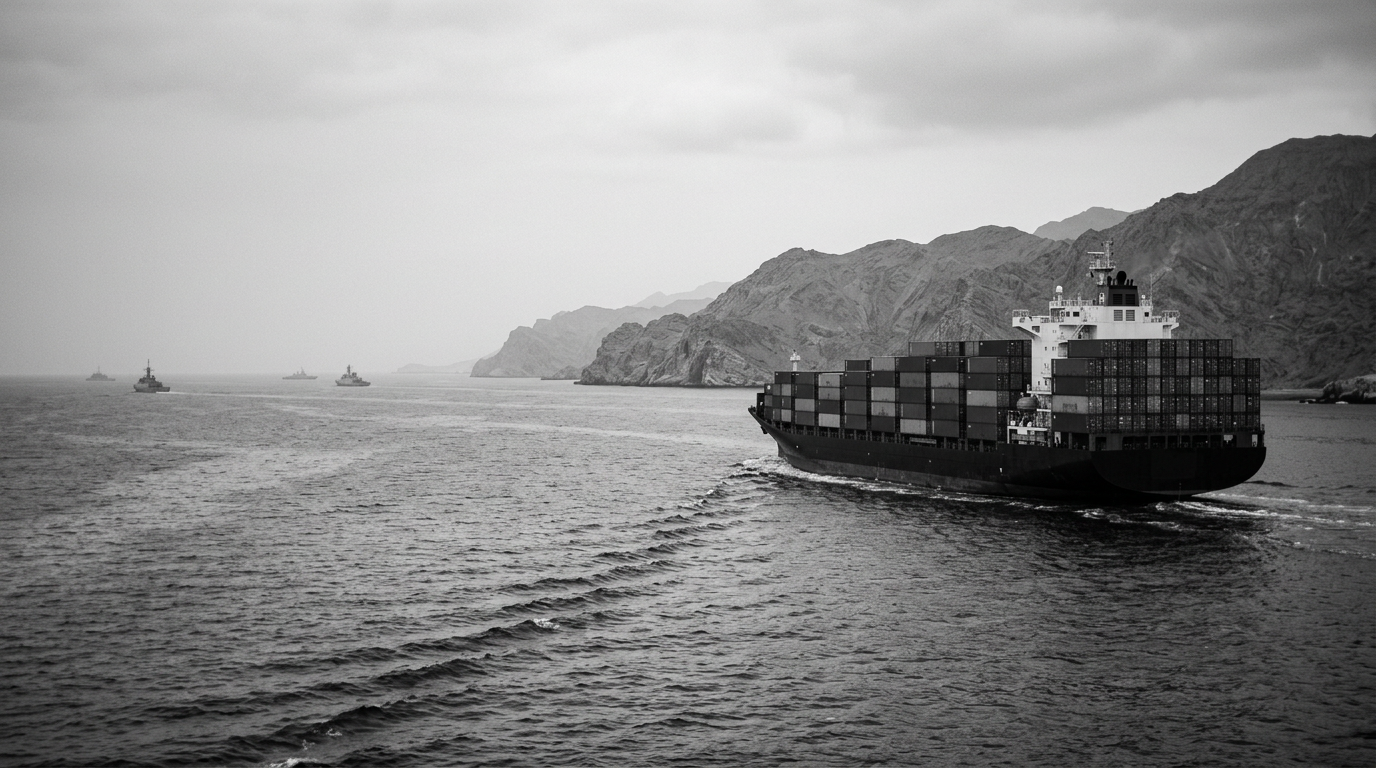
Shifting Dynamics in Regional Energy Security
The ongoing standoff between the United States and Iran has transitioned from potential military confrontation toward a strategy of economic attrition. This shift has significantly elevated concerns regarding the stability of global energy supplies moving through the Strait of Hormuz. Observers note that the primary friction point involves Tehran’s influence over this critical maritime chokepoint and Washington’s efforts to intensify financial pressure on the Iranian government.
This geopolitical struggle manifests in international markets through increased insurance premiums for shipping, higher freight costs, and heightened volatility in energy pricing. Reports indicate that the United States aims to restrict Iran’s revenue streams and access to capital, hoping to compel a reduction in aggressive maneuvers near the strait. Conversely, officials suggest that Tehran continues to utilize tanker traffic as a tactical instrument for leverage and negotiation.
Strategic Priorities and Market Impacts
While Washington initially prioritized the containment of nuclear proliferation, domestic concerns regarding inflation and rising fuel costs have forced a pivot toward energy security. This strategic realignment has led to a more visible integration of financial sanctions with the objective of normalizing energy flows. Analysts observe that this approach seeks to mitigate the impact of regional instability on the American economy.
Tehran maintains its current posture, operating under the assumption that sustained resistance will eventually force a change in American policy. Iranian leadership views its control over the strait as both a security asset and a vital diplomatic bargaining chip. Meanwhile, American rhetoric regarding regional oversight is interpreted by Iranian officials as an infringement on sovereignty, further fueling the cycle of escalation.
Implications for Global Supply Chains
The Strait of Hormuz serves as the essential artery connecting Persian Gulf energy producers to international markets. Any perceived threat to this route triggers immediate concerns regarding the security of crude oil, refined products, and petrochemical shipments. Such uncertainty often leads to increased operational costs and potential delays for importers, while simultaneously threatening the revenue stability of exporting nations.
Ultimately, both parties appear to be seeking a fragile equilibrium centered on financial access and the safety of energy transit rather than direct combat. As long as this balance remains precarious, the risk premium associated with global energy supplies will likely remain a top priority for international policymakers. The long-term impact of this economic warfare remains uncertain, with risks of further market disruption persisting as long as diplomatic channels remain strained.