NATO allies face Trump loyalty test questionnaire
Officials said Trump is asking NATO allies to signal support, widen U.S. base flexibility and buy more U.S. arms; no Pentagon deadline was given.
Mateo Fernandez ·
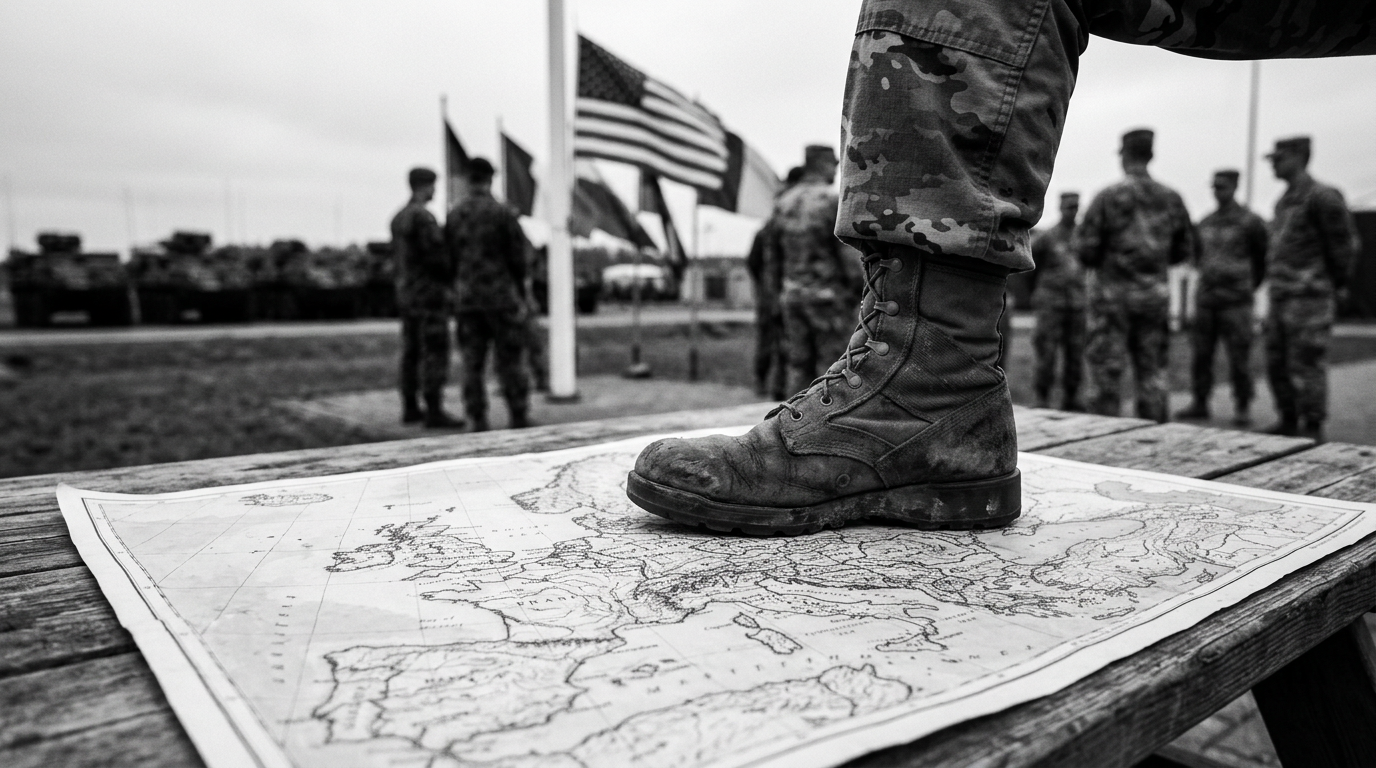
President Trump is asking NATO allies to meet a set of political and operational expectations that officials described as a “loyalty” test, including public backing for U.S. policy, looser limits on the use of American bases in Europe, and a stronger preference for U.S. defence suppliers.
Officials said the requests are being delivered through a Pentagon questionnaire that is part of a wider review of U.S. force posture in Europe. They said no final decisions have been announced on broader force reductions, and no verifiable deadline for the review was provided.
Pentagon questionnaire tied to basing, policy support and procurement
Officials familiar with the process said the questionnaire asks allied governments to state whether they would publicly back U.S. policy positions. It also asks whether host countries would permit greater U.S. operational freedom at bases located on their territory. Officials said the document additionally seeks commitments to steer defence procurement toward American suppliers, prioritising purchases from U.S. defence firms. Reaction from allied capitals was not yet available, and officials indicated responses were still pending. Allied concerns over protection and deterrence calculations Allied officials said some governments worry that those resisting Washington’s positions could face reduced protection. They said such a dynamic, if it takes hold, would change deterrence calculations inside the alliance.
Officials framed the approach as linking political alignment to basing permissions and procurement conditions, rather than setting explicit thresholds tied to troop numbers. In their description, the leverage shifts away from primarily budget-based metrics and toward bilateral political assessments.
Potential consequences for force planning and industrial cooperation
Officials warned that the questionnaire’s emphasis could carry consequences for force planning, host-nation agreements, and longer-term industrial cooperation. They said the initiative could affect how allies approach planning assumptions related to U.S. posture, even before any formal decisions are announced.
Officials repeated that no final decisions have been announced and said they could not give a date for any final determinations. They advised watching for an official Pentagon update.
Officials said allies will be briefed on the review’s conclusions in the weeks ahead, with developments expected by September 30, 2026. Until then, the status of any broader changes to U.S. posture in Europe remains uncertain, according to officials, because the review has not produced publicly stated outcomes or timelines.