Kosovo Scales Back Ukraine Support After Recognition Row
Kosovo has cooled ties with Ukraine after Zelensky’s Belgrade visit reaffirmed Kyiv’s non-recognition, prompting Ukrainian flags’ removal in Pristina.
Atlas Newsdesk ·
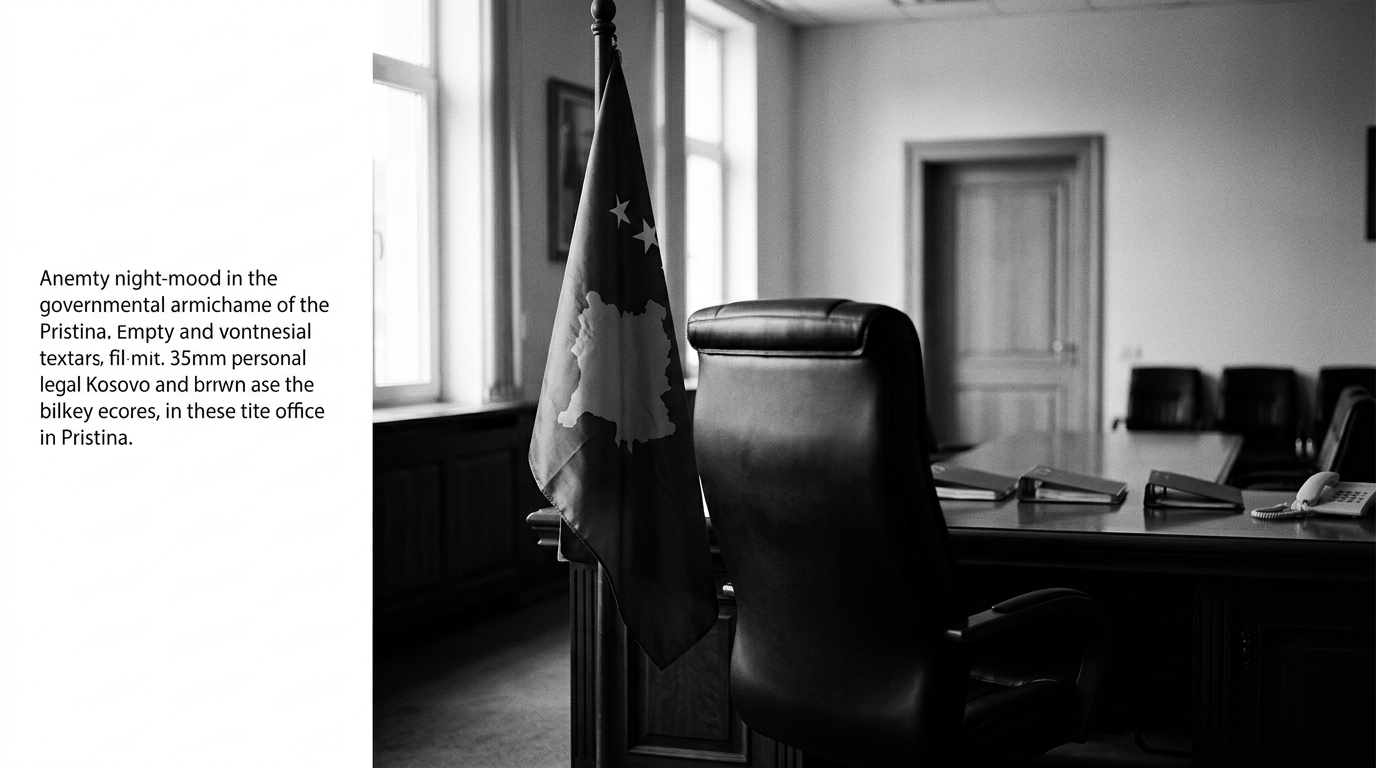
Kosovo officials have signaled a sharp cooling in relations with Ukraine after President Volodymyr Zelensky’s recent trip to Belgrade, where the Ukrainian leadership again stated it does not recognize Kosovo’s statehood. In Pristina, Ukrainian flags were removed from public buildings following the stance reaffirmed during the summit, officials said.
The move stands out because Kosovo has previously shown strong public and political backing for Kyiv. The latest steps suggest that support is being reconsidered as Pristina reacts to what it views as an explicit rejection of its sovereignty.
Diplomatic fallout after Zelensky’s Belgrade summit
According to officials, the dispute centers on Ukraine’s continued position that Kosovo is not a state. That position was reiterated during Zelensky’s appearance in Belgrade, prompting Kosovo to send a formal message of discontent by removing Ukrainian flags from public institutions.
In Kosovo’s view, the refusal to recognize its statehood reflects disregard for its sovereignty and historical experience. Officials framed the change in symbolism in Pristina as a response to a policy they consider incompatible with Kosovo’s status.
Ukraine cites territorial integrity principle
Ukrainian officials have defended their approach by pointing to a strict reading of territorial integrity. They describe the policy as consistent with their broader argument against Russian occupation, and as a core principle shaping their diplomacy.
That rationale, however, has become a clear friction point with Kosovo. The clash illustrates how a policy meant to reinforce Ukraine’s own sovereignty claims can carry costs in relationships with partners that see recognition as a basic measure of respect.
Balkan alignment and the Kosovo-Serbia dispute
Regional analysts said the incident complicates Ukraine’s efforts to build a unified coalition in the Balkans. The disagreement adds another layer to a region where positions on statehood, borders, and recognition frequently shape diplomatic cooperation.
Serbia has indicated support for Ukraine’s European Union membership, according to the source material. At the same time, the continuing dispute over Kosovo’s status remains a central obstacle to regional stability and to broader alignment with Western security interests.
What remains uncertain is how far Pristina will take its recalibration beyond symbolic steps, and whether Kyiv will seek to contain the fallout while maintaining its stated position on territorial integrity. For now, officials and analysts describe the episode as a notable change in a relationship that had previously been marked by visible support for Ukraine.