A Seized Ship, Oil Routes at Risk, and a Ceasefire Nearing Expiry
US seizure of Iranian-linked ship & renewed threats jeopardize Pakistan talks, risking ceasefire & global energy flows.
Lauren Collins ·
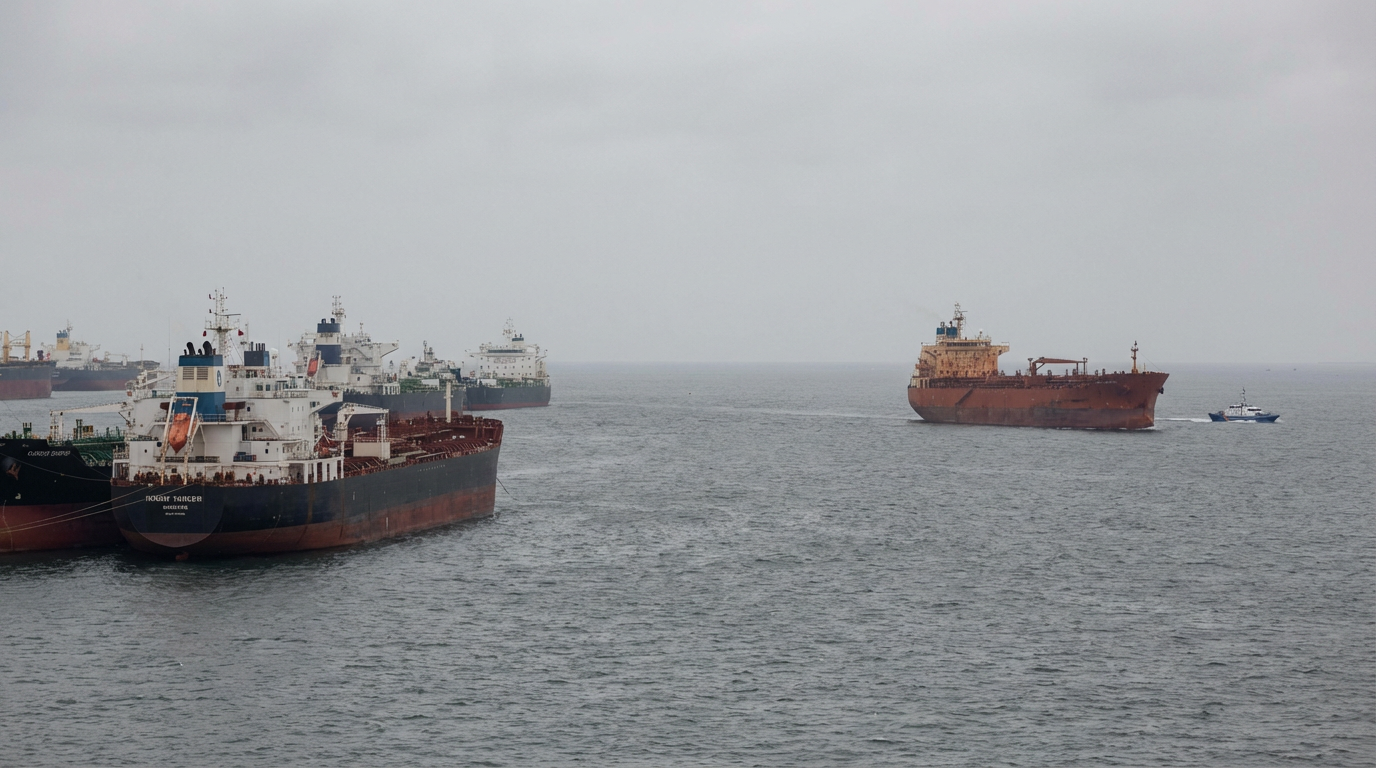
The next round of U.S.-Iran negotiations faces growing uncertainty after a U.S. naval operation in the Gulf of Oman escalated tensions days before a ceasefire deadline. American forces intercepted and seized the Iranian-flagged cargo vessel M/V Touska, accusing it of attempting to breach sanctions and a naval blockade. Tehran condemned the action as unlawful, while declining to confirm whether it will attend scheduled talks in Islamabad.
Ceasefire Deadline Looms
The timing is critical. A temporary truce between the two sides is due to expire Wednesday, yet both governments have accused each other of violations. U.S. officials, including Vice President JD Vance, are still expected to travel to Pakistan, but Iran’s participation remains unclear as of Monday, with state-linked media signaling hesitation.
The latest confrontation follows a series of incidents in the Strait of Hormuz, a key shipping corridor for global oil supplies. Washington has accused Iranian vessels of targeting maritime traffic, while Iran has pushed back against what it sees as economic and military pressure. The Touska itself had been under sanctions since 2018 and had regularly operated between Iranian ports and China, according to shipping data.
Shipping, Security, and Legal Fallout
Naval analysts say the seized vessel will likely be taken to a controlled port for inspection, where authorities will determine the nature of its cargo. If found in violation of sanctions or blockade rules, the ship could ultimately be claimed by the U.S. government under maritime conflict law. That process would require legal review, potentially through a dedicated prize court.
The fate of the crew remains uncertain and depends on nationality and any affiliation with Iranian military units. Civilian sailors could be repatriated, while individuals linked to Iran’s security forces or transporting restricted materials may face detention. The incident adds a legal and humanitarian layer to an already volatile situation.
The confrontation also raises immediate concerns for maritime traffic. The Strait of Hormuz has seen disruptions for weeks, tightening energy supply routes and pushing up shipping risks. Any prolonged blockade or escalation could further strain oil markets already sensitive to geopolitical shocks.
Industry and Negotiation Pressure
At the center of the stalled talks are unresolved issues that go beyond the latest naval clash. Control over Iran’s uranium stockpiles remains a core dispute, alongside demands to reopen key shipping lanes. These sticking points have proven difficult to reconcile, even before the latest escalation.
For energy markets, the stakes are high. The Strait of Hormuz handles a significant share of global crude exports, and continued disruption could lead to price volatility and supply chain adjustments. Shipping insurers and logistics firms are already factoring in higher risks, which may translate into broader economic pressure.
Global and Political Implications
Pakistan’s role as host underscores the international effort to prevent further escalation. Authorities in Islamabad have tightened security in preparation for the talks, clearing key venues and deploying additional personnel. Yet diplomatic logistics cannot compensate for the widening gap between the two sides.
The situation also reflects a broader shift in regional dynamics, where military actions and economic sanctions are increasingly intertwined. U.S. threats targeting Iranian energy infrastructure signal a willingness to escalate beyond naval enforcement, while Iran’s response suggests it may condition diplomacy on reduced pressure.
Uncertain Path Ahead
The immediate question is whether talks will proceed at all. Without Iranian participation, the diplomatic track could stall, increasing the likelihood of further confrontation once the ceasefire expires. Even if negotiations resume, the underlying disputes—nuclear material control and maritime access—remain unresolved.
There is also uncertainty surrounding the Touska itself. Its cargo has not been publicly identified, and its legal status could take time to determine. That ambiguity leaves room for further disputes, particularly if Iran seeks to challenge the seizure through diplomatic or legal channels.
For now, the episode highlights how quickly fragile agreements can unravel. With military activity rising and deadlines approaching, the margin for de-escalation is narrowing.