US Considers Seizing Iranian Uranium
U.S. weighs seizing Iran uranium stockpile as Trump reviews a ground option targeting Isfahan, Fordo and Natanz amid IAEA access limits.
Lauren Collins ·
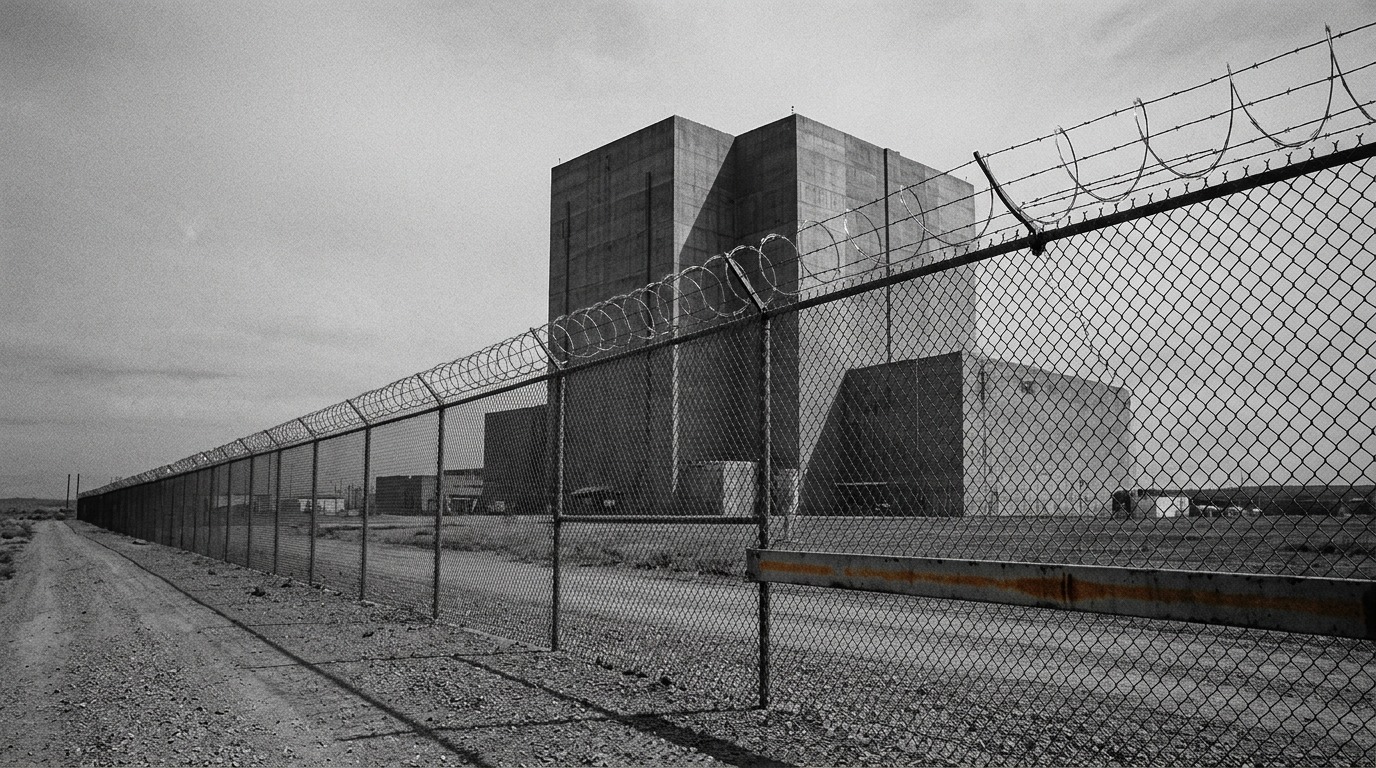
The United States is considering a military operation aimed at taking control of Iran’s enriched uranium stockpile , according to reports describing an option President Donald Trump is evaluating to stop Iran from developing nuclear weapons. The plan under review would involve deploying ground troops and focusing on key nuclear-related locations where uranium is stored, including Isfahan, Fordo, and Natanz.
Military experts cited in the reports described such a mission as exceptionally difficult. They said it would be a complex ground operation that could take weeks to carry out, reflecting the practical challenges of reaching, securing, and removing sensitive nuclear material from multiple sites.
The reported stockpile includes approximately 440kg of uranium enriched to 60%, about 1,000kg enriched to 20%, and roughly 8,500kg enriched to 3.6%. The 60% material is described as capable of being processed relatively quickly to the 90% level associated with weapons-grade uranium, which is central to the rationale for considering a seizure operation.
Most of the 60% enriched uranium is believed to be located at Isfahan, according to the same accounts. Isfahan is also described as a site that was previously damaged in U.S.-Israeli strikes. However, the reports emphasized that the precise distribution of enriched uranium across Iran’s facilities is not confirmed and may involve multiple locations, including potentially fortified underground areas.
That uncertainty is a major operational constraint. The material may be dispersed, and retrieving it could require locating stockpiles that are not fully mapped, excavating uranium stored deep underground, and holding territory long enough to complete removal while facing possible Iranian counterattacks.
Information gaps are compounded by limits on international monitoring. International Atomic Energy Agency (IAEA) inspectors have not accessed the relevant sites since 2025, the reports said, reducing the availability of up-to-date, independently verified details on where the uranium is held and in what quantities.
Any attempt to seize the stockpile would also require specialized capabilities beyond conventional combat forces. The reports said the mission would need units trained to handle nuclear materials safely, alongside ground forces tasked with securing facilities and maintaining control of access routes and surrounding areas during the operation.