US Considers Seizing Iran's Kharg Island for Leverage
U.S. weighs seizing Iran’s Kharg Island to disrupt oil exports; experts warn of escalation risks and potential shocks to energy markets.
Lauren Collins ·
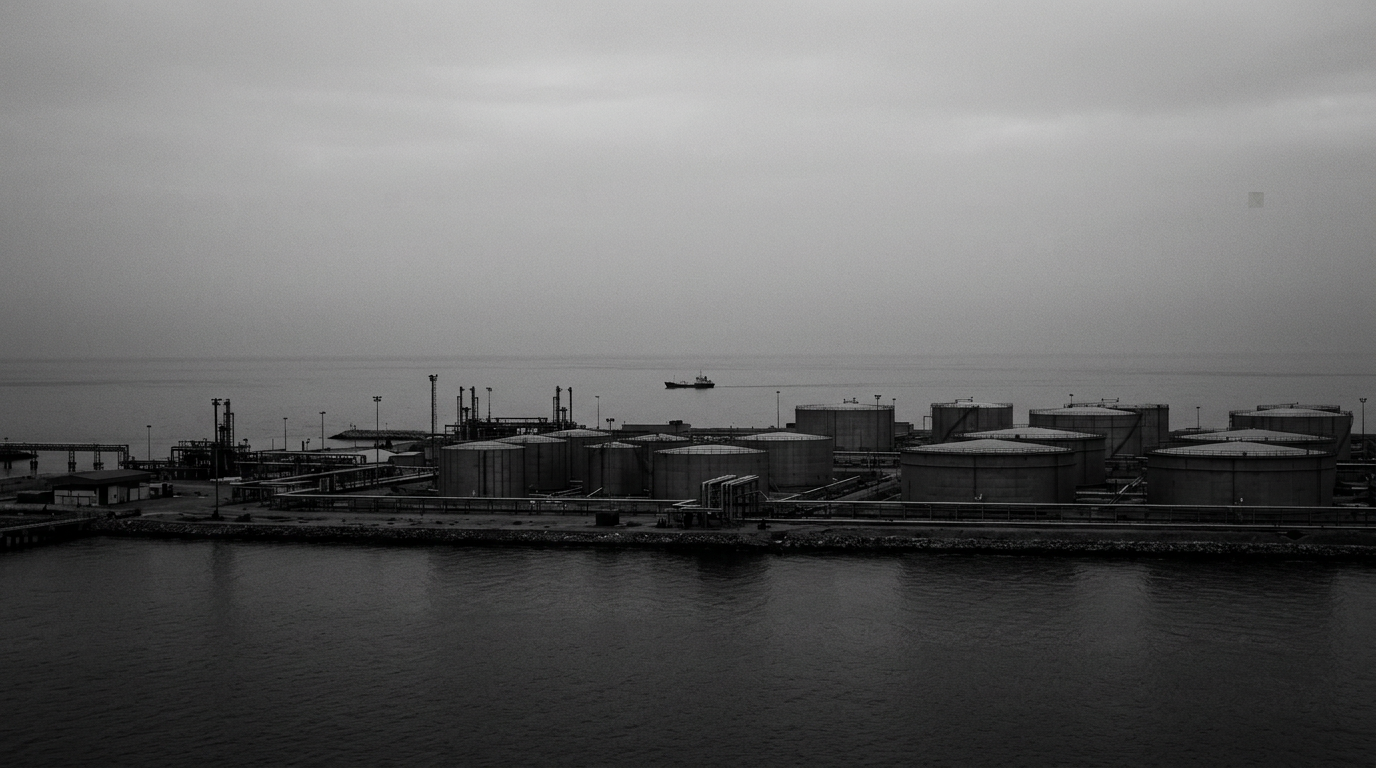
S. President Donald Trump discussed the potential move on March 31, 2026, according to the account provided in the source material. The island is described as the transit point for about 90% of Iran’s oil exports, making it a central node in Iran’s ability to sell crude abroad.
The deliberations, as described, center on whether taking control of the terminal could disrupt Iran’s export capacity and create leverage. Analysts cited in the source material warned that a ground operation would carry major dangers for U.S. personnel and could widen hostilities in the region. They also cautioned that even a successful seizure might not deliver a clear, decisive outcome.
Military analysts referenced in the source material pointed to a different approach: a naval blockade focused on ships leaving Kharg Island. That option was presented as potentially less hazardous than putting troops ashore, while still aiming to restrict exports. The source material did not indicate that a final decision had been made, and it framed the discussion as an evaluation of alternatives rather than an announced plan.
Kharg Island’s importance is tied to geography and infrastructure. The source material notes that Iran’s coastline is shallow, limiting access to deep-water ports that can handle large oil tankers, which concentrates export activity at facilities such as Kharg. S. forces on the island could face Iranian counterattacks launched from Iran’s coast, and fighting could damage the export infrastructure that would be the focus of any seizure.
Experts from the Washington Institute for Near East Policy and Israel’s Institute for National Security Studies, as cited in the source material, warned that a seizure could trigger intensified retaliation by Iran and aligned proxy forces. Scenarios they raised included mining the Strait of Hormuz and conducting drone attacks across the Arabian Peninsula. The source material presented these as risks that could accompany escalation rather than as outcomes that are certain to occur.
For global markets, the source material emphasized the potential for sharp spillovers into energy pricing and the broader economy if tensions rise around key export infrastructure and shipping routes. It also highlighted uncertainty over whether such pressure would compel Iranian capitulation, even if exports were disrupted. The discussion underscores how military choices around a single export hub can carry wide geopolitical and economic consequences beyond the immediate theater.