ICE agents will be deployed to US airports to ease long lines on Monday
ICE agents were deployed to U.S. airports on February 18, 2019, to address staffing shortages and long lines during a government shutdown.
Lauren Collins ·
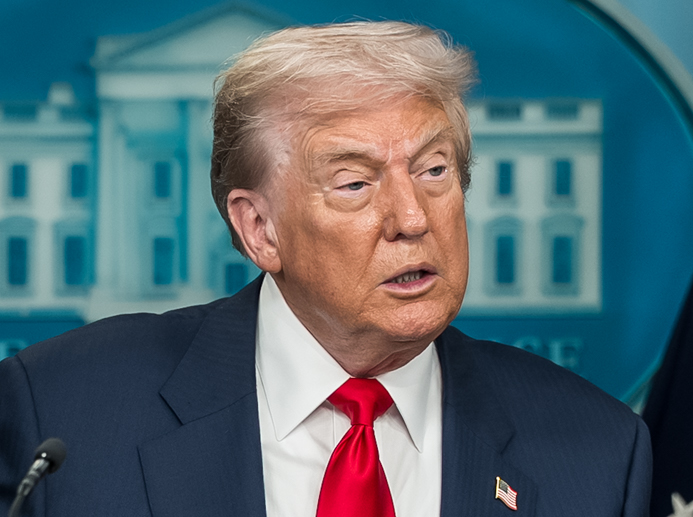
On Monday, February 18, 2019, Immigration and Customs Enforcement (ICE) personnel were dispatched to airports across the United States. This deployment aimed to mitigate staffing deficiencies and extensive security queues that arose from a partial federal government shutdown. The initiative was publicly announced by then-President Donald Trump and Tom Homan, who served as his border czar.
The primary objective was to support Transportation Security Administration (TSA) officers, many of whom had been working without pay since February 14, 2019. The government shutdown had led to significant operational stress on the TSA, with reports indicating that over 400 agents had resigned and others had taken sick leave.
Operational Response to Staffing Shortages
ICE agents were assigned duties such as monitoring airport exits. This measure was intended to free up trained TSA personnel to concentrate on critical security screening checkpoints. The precise scope of responsibilities for the ICE officers was still being finalized as of the preceding Sunday, February 17, according to statements from Homan.
Political Context of the Shutdown
The partial government shutdown originated from a legislative impasse in the U.S. Senate. The core disagreement centered on federal immigration enforcement regulations. The Department of Homeland Security (DHS), which oversees the TSA, experienced funding disruptions due to objections from Senate Democrats. These lawmakers sought reforms following various incidents involving immigration agents, contributing to the political deadlock.
Concerns and Criticisms
The decision to deploy ICE agents to airports drew considerable criticism. Concerns were voiced regarding the adequacy of ICE agents' training for specific airport security functions. Additionally, potential civil rights implications stemming from their presence in airport environments were highlighted by various groups and commentators. The deployment underscored the broader challenges faced by federal agencies during periods of government funding lapses.
Broader Implications for Federal Operations
This event illustrated the ripple effects of political gridlock on essential public services. The reliance on personnel from other agencies, such as ICE, to fill gaps in airport security highlighted the vulnerabilities within federal operational frameworks during extended shutdowns. Such measures often lead to debates about efficiency, appropriate use of resources, and the specialized training required for different federal roles.
The incident also brought into focus the financial strain on federal employees working without pay and its impact on morale and staffing levels.
Implications
Country Impact: The deployment highlighted the operational challenges faced by federal agencies during government shutdowns, impacting public services and employee morale across the nation. It also fueled political debate regarding immigration policy and federal resource allocation.
Industry Impact: The aviation industry experienced disruptions due to staffing shortages, leading to longer security lines and potential passenger inconvenience. This underscored the vulnerability of air travel infrastructure to federal funding disputes.
Market Impact: While direct market impact was limited, the event contributed to broader uncertainty surrounding government stability and policy implementation, which can indirectly influence investor confidence in the U.S. economy.