Indonesia Deploys 1,500 Troops to Combat Borneo Wildfires
Indonesia dispatched 1,500 additional troops to Borneo to fight widespread wildfires, exacerbated by drought and El Niño, impacting regional air quality.
Lauren Collins ·
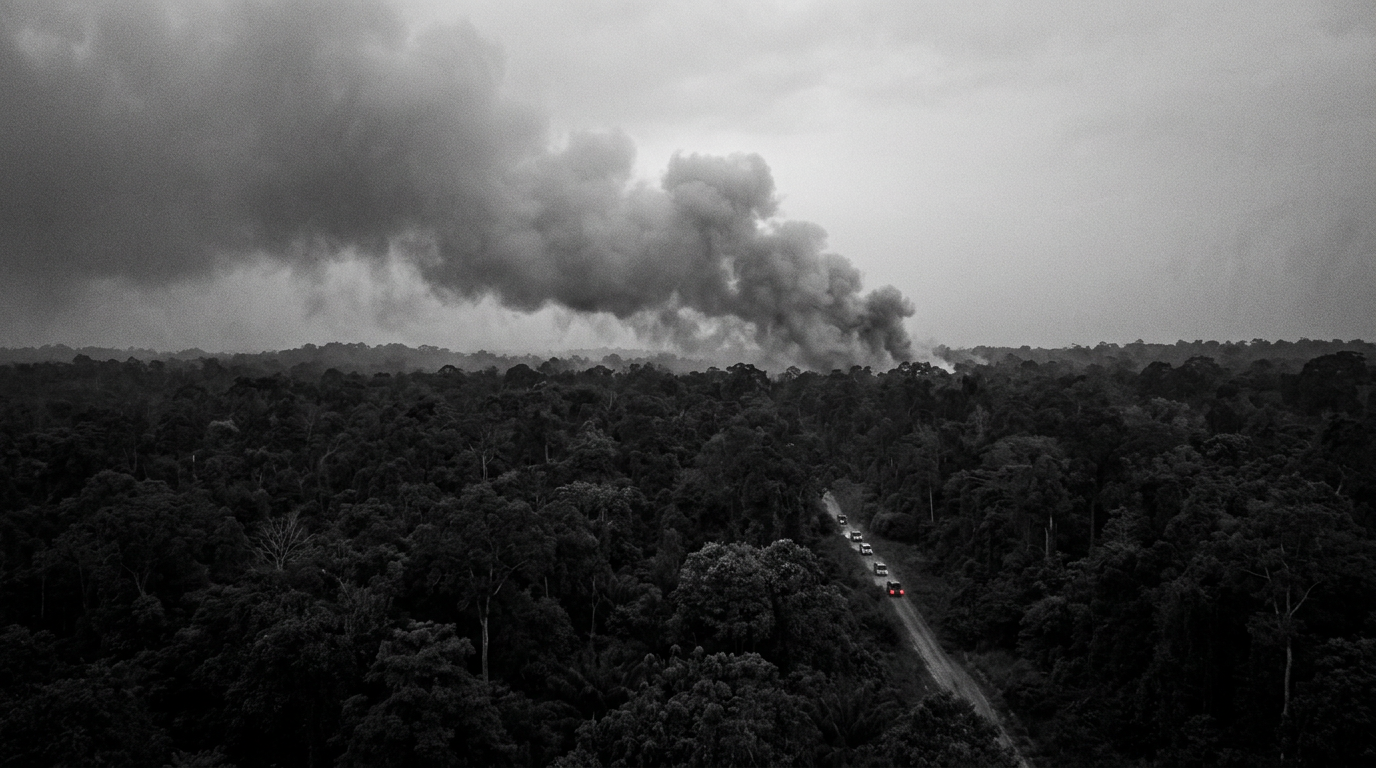
Indonesia has mobilized an additional 1,500 military personnel to the Kalimantan region on Borneo Island, significantly bolstering efforts to control extensive wildfires. This deployment, announced by Cabinet Secretary Teddy Indra Wijaya on Saturday, involves three additional battalions from the Indonesian National Armed Forces.
The latest surge in manpower is complemented by the activation of six helicopters, which commenced waterbombing operations on the same day. These coordinated actions aim to mitigate severe environmental and public health challenges caused by the persistent blazes, which have ravaged over 200,000 hectares of land between January and July this year. This area is roughly three times the size of Jakarta, according to recent government statements.
Drought and El Niño Exacerbate Fire Conditions
The accelerated response comes amidst severe drought conditions across Indonesia, a situation significantly intensified by the powerful El Niño weather pattern. This prolonged dry spell has fueled the rapid spread of fires, particularly across the vulnerable peatlands and dense forests of Borneo. Such conditions create an environment highly conducive to large-scale fires that are exceptionally difficult to extinguish and release immense quantities of smoke.
Wildfires in Borneo pose considerable environmental and public health risks. The dense smog generated by these fires routinely degrades air quality not only for local populations but also for neighboring countries. This atmospheric pollution presents acute respiratory risks and contributes to longer-term ecological damage, especially when sensitive peatland ecosystems burn.
Preventing Cross-Border Haze
President Prabowo Subianto visited Borneo on Saturday to oversee meetings addressing the wildfire crisis, directly ordering the increased troop deployment. A primary objective of this intervention is to prevent the fires from escalating further and to curb their potential to spread across international borders, specifically impacting Malaysia and Brunei.
Historically, cross-border haze has led to diplomatic and public health issues throughout Southeast Asia. The government's heightened concern reflects the potential for prolonged environmental degradation and severe health crises if the fires remain unchecked. Indonesia has faced international scrutiny in previous years to control these fires, which often result from agricultural land clearing practices combined with dry weather.
The current deployment underscores Indonesia's commitment to containing both the immediate ecological and broader atmospheric impacts of these ongoing blazes. These annual fire events contribute significantly to global carbon emissions, particularly when peatlands, which store vast amounts of carbon, ignite. International collaboration and sustained efforts in fire prevention, improved land management, and rapid response mechanisms are crucial for mitigating this recurring regional disaster, especially as climate change continues to influence global weather patterns.