Former Chinese Premier Zhu Rongji dies at 97
Former Chinese Premier Zhu Rongji has died at 97, officials said. He led reforms from 1998 to 2003 and backed China’s WTO entry in 2002.
Atlas Newsdesk ·
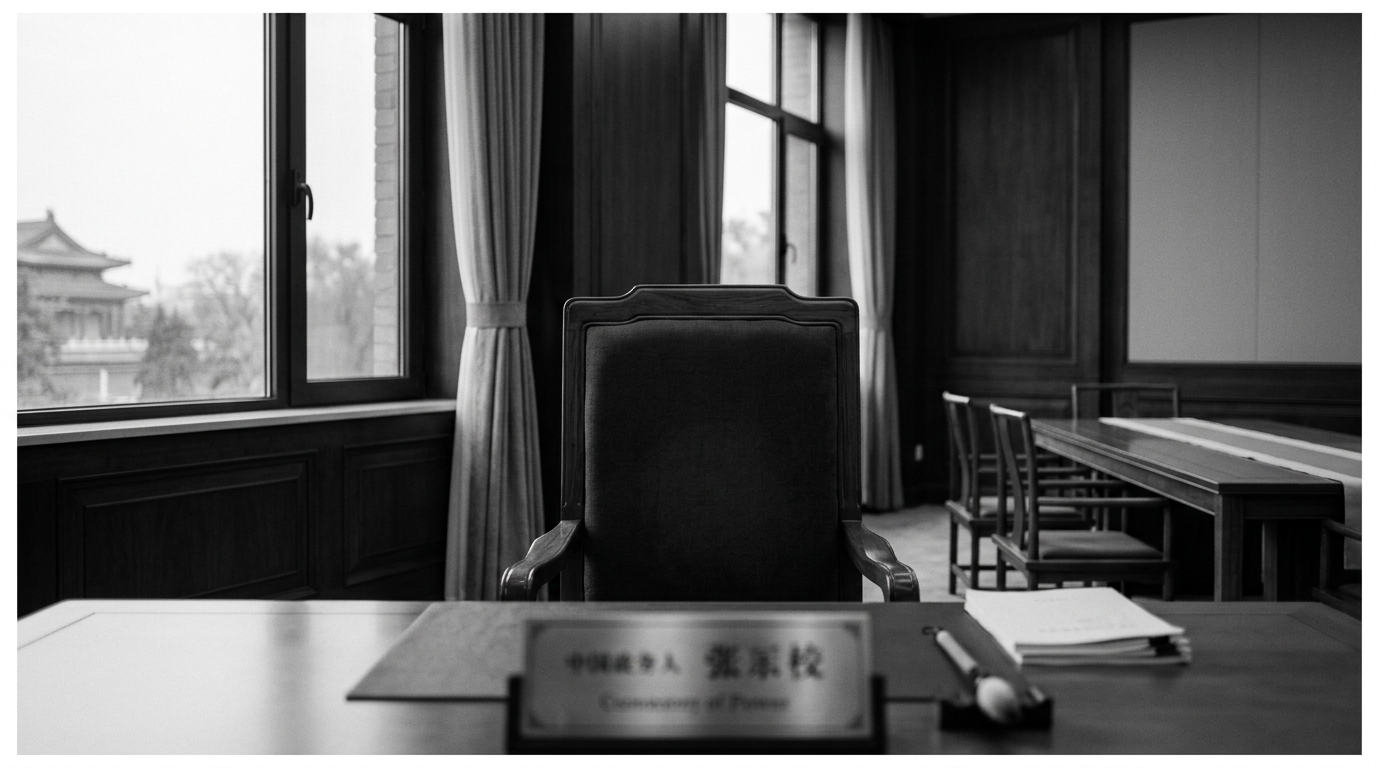
Former Chinese Premier Zhu Rongji has died at the age of 97, officials said. Zhu led China’s government as premier from 1998 to 2003, a period widely linked to a push that moved the country away from a closed, state-directed model and toward a more market-oriented economy.
Officials and policy accounts have long associated Zhu’s agenda with steps that positioned China for deeper participation in global commerce. His time in office included policies that supported China’s accession to the World Trade Organization in 2002, a development that later underpinned the country’s emergence as a major global manufacturing center.
Reforms tied to China’s opening and WTO accession
Accounts of Zhu’s premiership describe an approach that Accounts of Zhu’s premiership describe an approach that paired domestic restructuring with external opening. Officials and policy accounts have said the was to lift competitiveness while creating conditions intended to attract investment.
Zhu’s economic strategy emphasized stronger central control over fiscal resources, changes to state-owned enterprises that were viewed as inefficient, and encouragement of foreign direct investment. Supporters have credited this framework with helping sustain periods of double-digit growth, while critics have pointed to distributional and social strains linked to the transition.
Fiscal centralization and state-firm restructuring One key tool in Zhu’s program was shifting significant tax authority from local administrations to the central government. The stated intent was to stabilize national finances and curb regional corruption by tightening oversight of revenues and reducing local discretion.
Former Chinese Premier Zhu
In parallel, the reform package sought to ease the burden of loss-making state firms through privatization and other restructuring measures. Officials and economists have said the shift disrupted the state-run employment model that had long provided predictable jobs and benefits.
Workforce impact and inequality pressures
Those changes carried major consequences for workers. About 30 million workers were laid off over a five-year period, a scale that reshaped household security and employment patterns across the country, according to the figures cited in policy discussions.
Officials and economists have linked the transition to a transformed labor market and noted that it coincided with a widening of income inequality, reflecting changes in how the gains and risks of growth were distributed.
Legacy marked by modernization and adjustment costs
Official and historical assessments have portrayed Zhu’s tenure as defined by the trade-offs of rapid industrial modernization. The reforms associated with his leadership helped shift China toward a system more responsive to market signals, while imposing adjustment costs on workers and communities tied to the old state-sector structure.
As remembered in discussions of China’s reform era, Zhu’s legacy sits between accelerated economic transformation and the social pressures that came with dismantling long-standing employment guarantees.