Trump travel diverted after reported Iranian threat
Trump’s return from a NATO summit in Turkey reportedly involved an emergency diversion after intelligence flagged an imminent Iranian threat.
Atlas Newsdesk ·
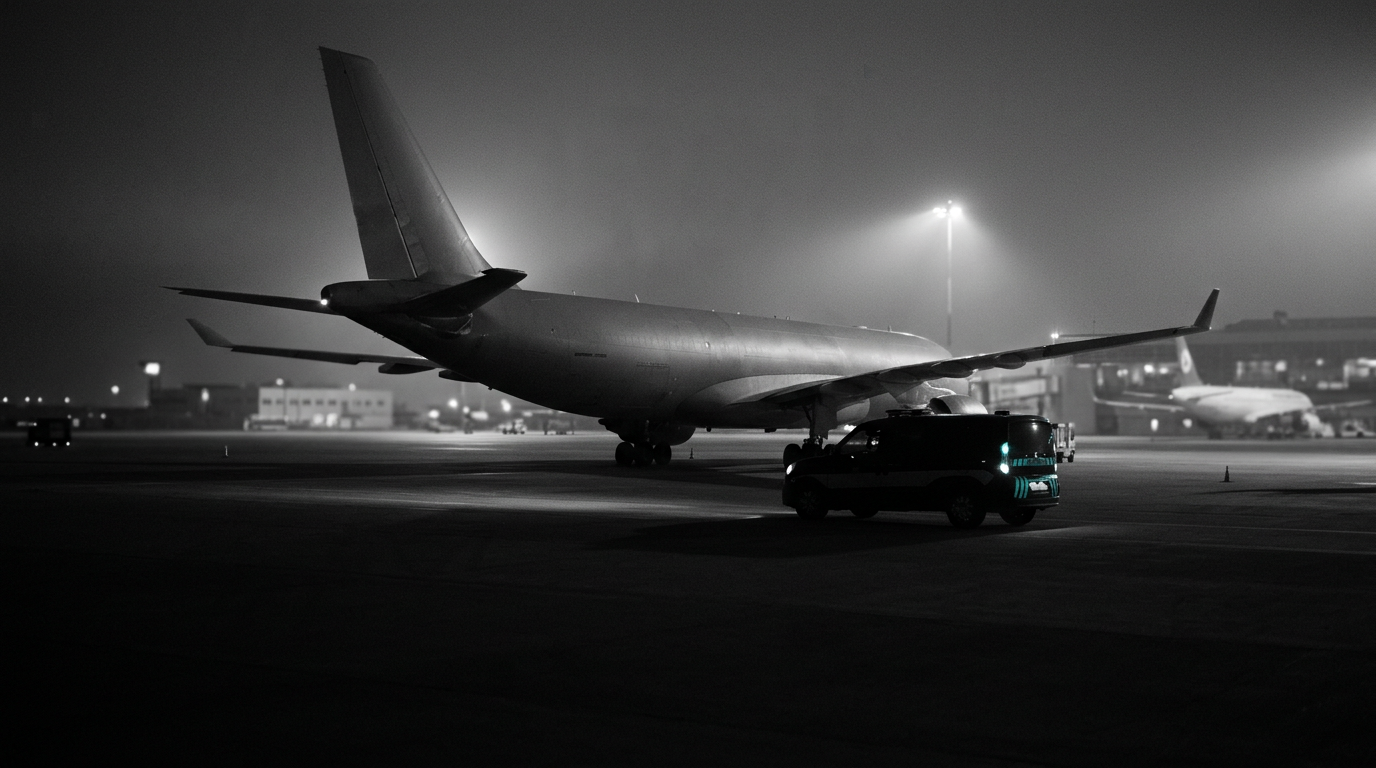
U.S. officials carried out an emergency diversion involving Donald Trump as he returned from a NATO summit in Turkey, shifting him from Air Force One to an alternative vehicle, according to accounts of the operation.
Those accounts said the movement plan was changed after intelligence reporting pointed to Iranian assassination threats assessed as both highly credible and imminent. The steps were described as unusual and tied directly to the threat assessment.
Emergency shift away from Air Force One
People involved in protective planning described the diversion as an extraordinary measure designed to reduce predictability and limit exposure during high-risk moments. In this case, the change included moving the former president off Air Force One and onto another platform.
Security specialists familiar with such planning said the choice to switch vehicles reflected a higher risk posture than in earlier periods. They described the move as an indicator that the warning was treated as urgent rather than routine.
How route and platform changes are used
Security experts said altering platforms and routing is typically intended to complicate surveillance and disrupt hostile planning. They said these tactics can be deployed quickly when intelligence suggests an attack could be attempted on short notice.
In accounts of this incident, the diversion was presented as a practical step to reduce the predictability of travel patterns. Officials did not detail the intelligence behind the assessment in the descriptions provided.
Threat picture linked to February 2026 strikes
Analysts and security experts linked the current threat environment to the February 2026 joint U.S.-Israeli strikes that, they said, killed Supreme Leader Ayatollah Ali Khamenei and other senior leadership. They described Iran as treating those strikes as a central driver for retaliation.
In that framing, high-profile U.S. figures were identified by analysts as potential targets. The reported threat involving Trump was described as part of a broader risk environment rather than a standalone concern.
Capability, intent, and what remains unclear While noting that Iran’s intelligence capabilities have been degraded after recent military strikes, analysts said Tehran remains committed to targeting prominent U.S. individuals as a matter of state policy. They argued that reduced capability does not necessarily eliminate intent, which must still be weighed in immediate protection decisions.
Analysts also warned that the threat could persist regardless of how the broader conflict develops or whether peace negotiations advance. They said protective planning in such conditions tends to prioritize sustained vigilance, not a one-off response confined to a single trip.
Several uncertainties remain in the accounts, including what operational pathways Iran or aligned actors might use and whether the reported threat reflects a defined plot or a heightened general intent. For security planners, the diversion was described as evidence the risk assessment demanded an immediate procedural change.