Strait of Hormuz closure triggers global maritime security crisis
Strait of Hormuz closure disrupts shipping, triggers major economic fallout, and is linked in reports to the deaths of 18 U.S. service members.
Atlas Newsdesk ·
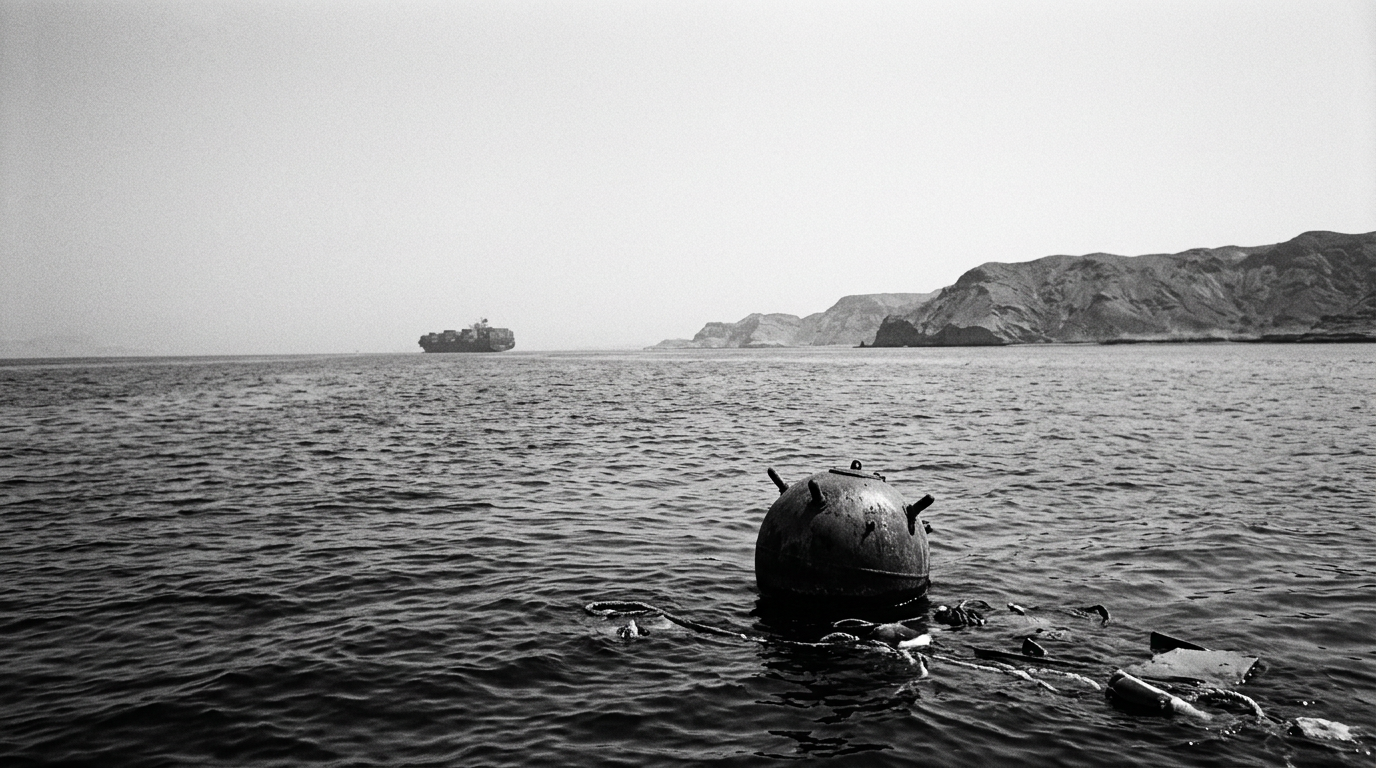
The closure of the Strait of Hormuz to international shipping has triggered major economic disruption and has been linked to the deaths of 18 U.S. service members, according to the source material. The development is being described as a break from an established international framework that, in prior periods, helped keep key maritime choke points neutral for global commerce.
The Strait of Hormuz is one of the world’s most sensitive sea passages because of its role as a gateway for large volumes of seaborne trade. With international shipping blocked, the immediate effect has been disruption to commercial flows, while the strategic effect is a sharper focus on how quickly maritime access can become a tool of leverage during conflict.
Neutrality norms under strain at global choke points
The source material frames the closure as part of a wider shift away from the expectation that critical maritime passages remain open and neutral. That expectation has underpinned many shipping risk assumptions, including pricing, insurance practices, and operational planning for carriers that depend on predictable access to narrow transit routes.
When those assumptions fail, economic consequences can escalate rapidly because alternatives are limited and rerouting often means longer voyages, higher costs, and greater exposure to delay. The source characterizes the current moment as a move toward greater volatility across global shipping lanes, as control over transit becomes more contested.
Historical parallels highlight leverage from maritime dominance
To underline the strategic stakes, the source points to historical precedents involving the Turkish Straits and the Oresund Sound. In those cases, dominance over key passages is presented as enabling regional actors to exert influence beyond their size by shaping the terms of international trade and security.
The Strait
The comparison is used to argue that maritime choke points can create outsized bargaining power, especially when the broader system that enforces neutrality is weakened or contested. In practical terms, even temporary disruption can alter security postures, commercial risk calculations, and the balance of influence between states and other actors.
IRGC power consolidation and risks from independent revenue
The source also cites evidence that the Islamic Revolutionary Guard Corps (IRGC) is consolidating internal power within Iran as hostilities unfold. It raises the prospect that maritime control could enable the IRGC to secure independent revenue streams outside oversight by broader state institutions.
According to the source, such revenue could heighten risks to regional stability if it is used to finance paramilitary operations and proxy groups. The material does not quantify the scale of potential revenue or specify mechanisms of collection, leaving uncertainty over how durable or institutionalized any new funding channels might become.
For maritime security stakeholders, the situation combines immediate operational disruption with longer-term concerns about governance, accountability, and incentives around strategic waterways. The broader implication highlighted by the source is that choke points may increasingly be treated as contested instruments of power rather than neutral corridors of trade.