US Redirects Over 50 Ships After Iran Blockade Resumes
US officials said forces have rerouted over 50 commercial ships since the Iran maritime blockade resumed, with boardings and disabled vessels reported.
Mateo Fernandez ·
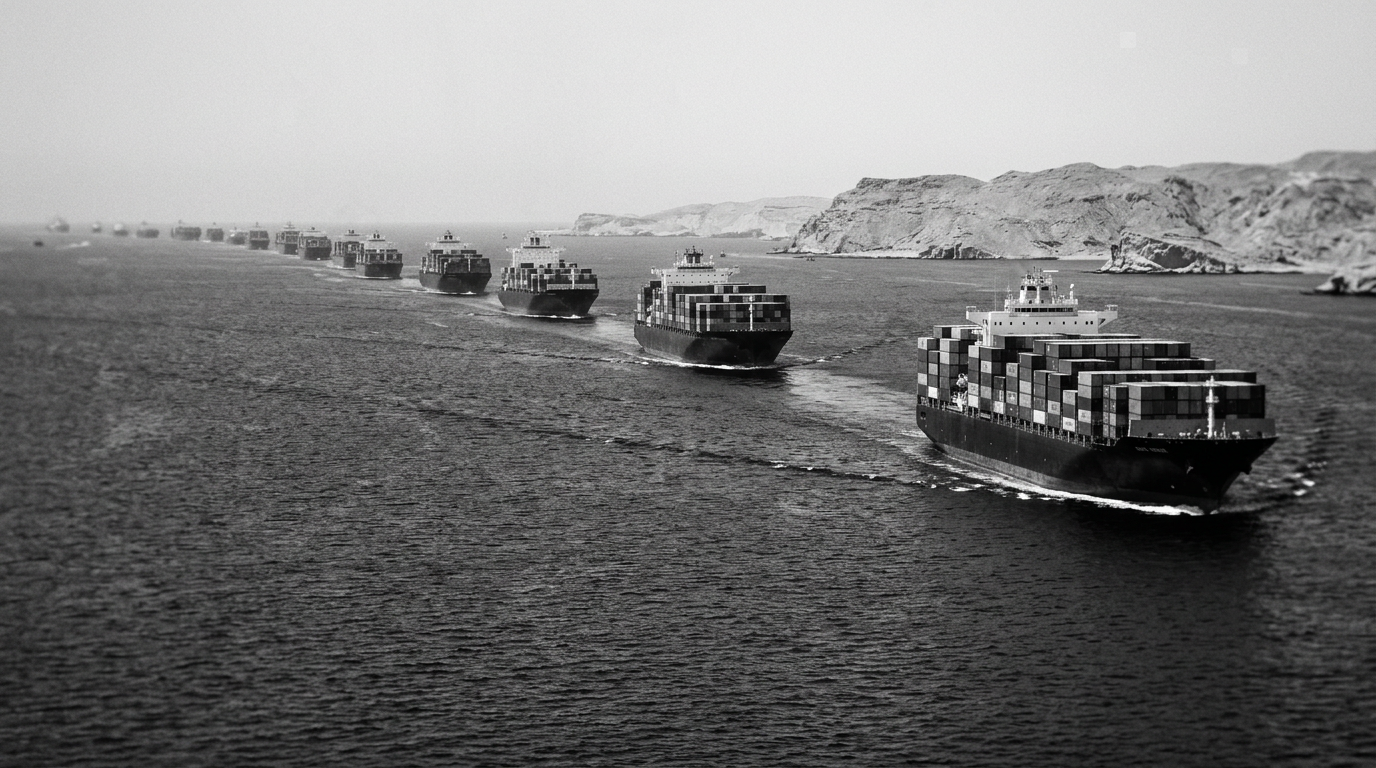
US officials said American forces have redirected more than 50 commercial vessels since a maritime blockade on Iran resumed, as commercial traffic continued to move through regional sea lanes. They also reported that two ships were disabled and two others were boarded during the same period, without providing additional public details on casualties or cargo.
Officials said the rerouting effort began after the blockade resumed and was focused on commercial ships transiting waters described as contested. They said the was to protect merchant access to key maritime corridors while lowering exposure to areas where incidents could occur.
Operational moves and reported incidents
Officials said the actions taken since the blockade Officials said the actions taken since the blockade resumed include directing vessels away from higher-risk waters. They said two ships were disabled and two ships were boarded, but did not disclose further information about the circumstances, the identity of the vessels, or what happened to any cargo. They added that escort and deconfliction operations are continuing. Officials said another update is expected within 24 hours. Commercial shipping and insurance response Officials said coordination is under way with maritime authorities and industry partners. They noted that when incidents involving commercial vessels are reported, shipping companies and insurers typically revisit routing plans and reassess premiums, reflecting heightened operational uncertainty even when the broader flow of traffic continues.
While officials did not provide quantified estimates
While officials did not provide quantified estimates, they said rerouting can have immediate effects on commercial logistics. They said detours can extend voyage times and increase costs, and could also create localized congestion around alternative ports and other choke points as traffic concentrates on fewer routes.
Logistics pressure points for time-sensitive cargo
Officials said fuel- and time-sensitive cargoes face a higher risk of delay under these conditions. They did not provide specific figures on expected transit-time increases, cost impacts, or the scale of any disruptions beyond the reported reroutings and vessel incidents.
The officials’ statements framed the measures as a trade-off between maintaining merchant access and reducing exposure to contested waters. The absence of public details on the disabled vessels and boardings leaves open key operational questions, including the duration of disruptions for the affected ships and whether further diversions will be required as the situation evolves.
Officials said they will continue the current approach and provide another update within 24 hours.