Hormuz closure threat grows after fresh shipping attacks
Iranian, Houthi and US officials reported new shipping threats near two oil chokepoints, raising supply-risk pressure.
Mateo Fernandez ·
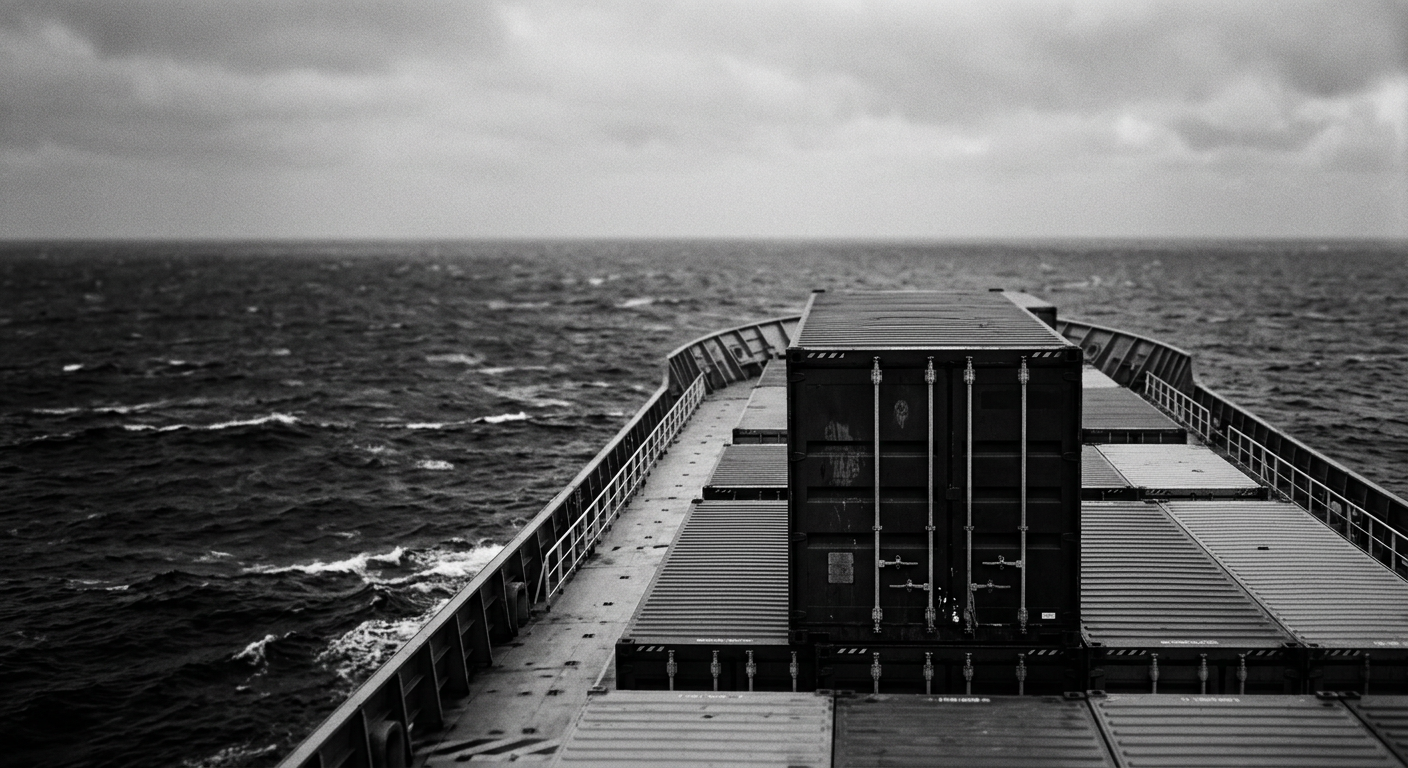
Iranian officials said the Strait of Hormuz would remain shut until Washington meets Tehran’s demands, while US and Houthi officials reported fresh shipping attacks near Hormuz and Bab el-Mandeb on August 12, 2026.
The reports put two major energy and trade chokepoints back at the center of the US-Iran conflict. Hormuz is the main exit route for Gulf crude and liquefied natural gas, while Bab el-Mandeb links the Red Sea to the Gulf of Aden and the Suez route.
Hormuz and Bab el-Mandeb routes
US officials reported new attacks on shipping, and Houthi officials also reported fresh operations near commercial sea lanes. The claims could not be independently verified from the payload, and no vessel damage, casualty figures or insurance-rate moves were provided.
The market channel is direct even before confirmed price moves. If shipowners avoid the area, freight rates and war-risk premiums can rise first; if tankers are delayed or rerouted, oil and refined-product supply chains would face longer voyages and tighter prompt availability.
For Iran, the Strait of Hormuz threat increases leverage but also raises the risk of wider military and sanctions pressure. For shipping companies, the immediate exposure is operational: routing decisions, crew safety, insurance cover and charter-party obligations.
If the closure holds through the next 24 hours, the global macro effect would likely run through higher energy-risk premiums, Iran would face a larger confrontation with Washington, and the shipping and oil sectors would price more disruption. If passage resumes, the pressure would shift back to monitoring isolated attacks. The next checkpoint is August 13, 2026, when official maritime advisories and government briefings are expected to clarify whether vessels can transit the area.