Zelenskyy Criticizes US Russian Oil Sanction Waiver
Ukrainian President Zelenskyy criticized a US waiver on Russian oil sanctions, arguing it undermines peace efforts and prolongs conflict.
Lauren Collins ·
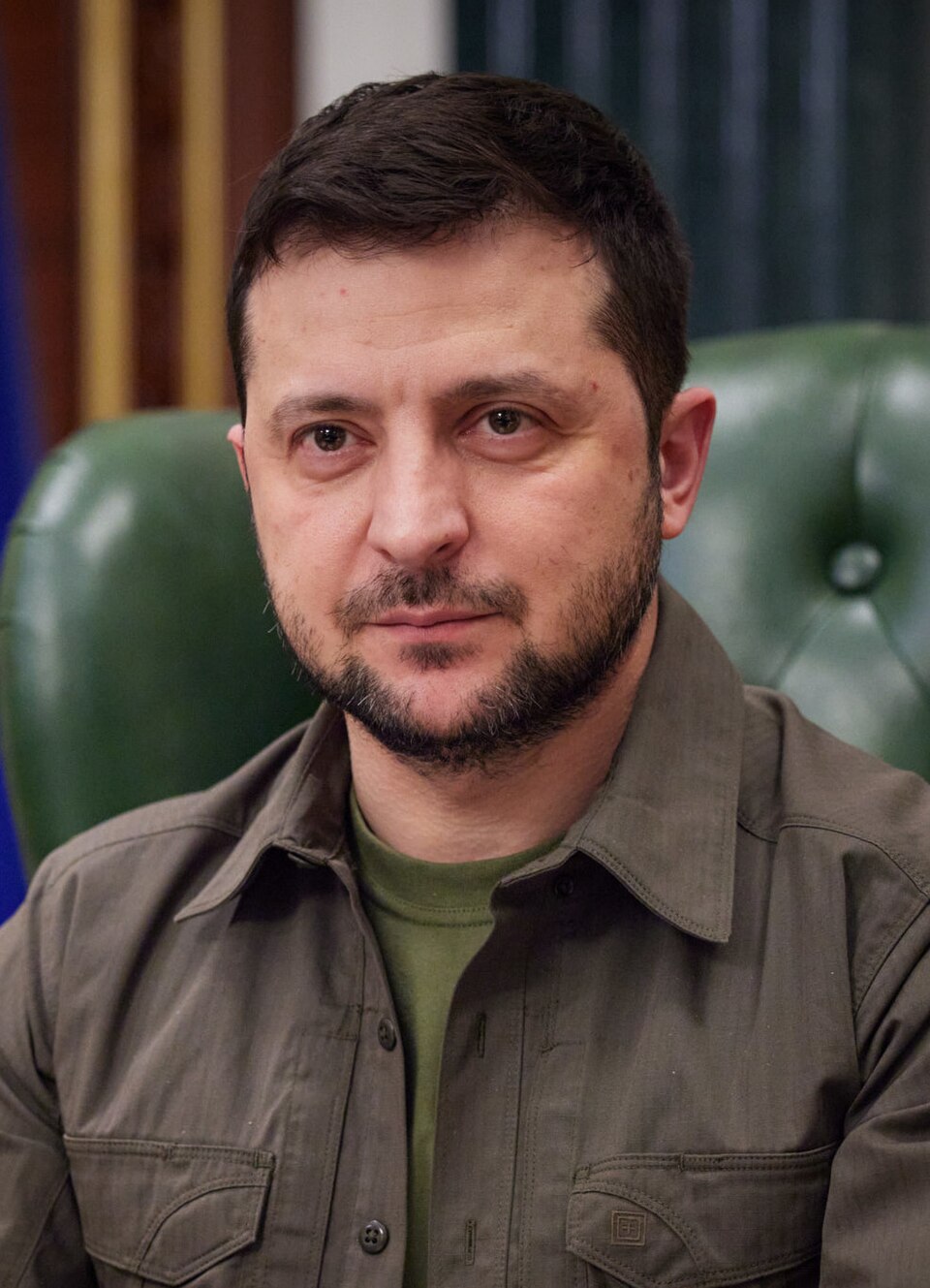
Ukrainian President Volodymyr Zelenskyy has voiced strong disapproval regarding the United States' recent decision to issue a waiver on sanctions targeting Russian oil. President Zelenskyy stated on Friday that this action does not advance the cause of peace in the ongoing conflict. The criticism highlights a divergence in strategy between Kyiv and Washington concerning economic pressure on Moscow.
On Thursday, March 12, 2026, the U.S. Treasury Department issued a general license. This authorization permits transactions involving Russian oil and gas to continue until November 1, 2026. The stated objective behind this waiver is to maintain stability in global energy markets, which have experienced significant volatility due to geopolitical tensions.
### Policy Divergence on Sanctions
Zelenskyy's remarks underscore a fundamental disagreement over the efficacy and intent of sanctions. He contends that such waivers diminish the overall impact of economic measures designed to exert pressure on Russia. From Kyiv's perspective, any relaxation of sanctions could inadvertently prolong the conflict in Ukraine by providing Moscow with continued revenue streams.
### US Treasury's Rationale
Conversely, the U.S. Treasury's position emphasizes the need to balance punitive measures against potential disruptions to the global economy. The waiver aims to prevent sharp increases in energy prices, which could have broader inflationary effects and destabilize international markets. This approach reflects a complex calculation of geopolitical objectives and economic realities.
### Broader Context of Energy Markets
The global energy landscape remains highly sensitive to supply disruptions and political developments. Russia is a major producer of oil and natural gas, and its exclusion from international markets can lead to significant price spikes. The U.S. waiver seeks to mitigate these economic repercussions while maintaining some level of pressure on Russia.
### Implications for International Relations
This policy decision and subsequent criticism could strain diplomatic relations between Ukraine and the United States. While both nations share the goal of ending the conflict, their tactical approaches to economic warfare appear to differ. The incident highlights the intricate challenges faced by allied nations in coordinating a unified response to international crises, particularly when economic stability is a key consideration.
### Future of Sanctions Regime
The effectiveness of the international sanctions regime against Russia continues to be a subject of debate among policymakers and economists. The U.S. waiver introduces a new variable into this complex equation, potentially influencing future discussions on the scope and duration of economic penalties. Observers will be watching closely to see how this decision impacts both energy prices and the broader geopolitical landscape in the coming months.
Implications
Country Impact: The U.S. waiver on Russian oil sanctions could create diplomatic friction between Washington and Kyiv, as Ukraine views it as undermining pressure on Russia. This divergence in strategy may complicate future coordinated efforts against Moscow.
Industry Impact: The energy sector is directly impacted, with the waiver designed to stabilize global oil and gas prices by ensuring continued supply from Russia. This could alleviate immediate price pressures but also reduce the effectiveness of sanctions on Russia's energy revenue.
Market Impact: Global energy markets may experience reduced volatility and potentially lower price increases due to the continued flow of Russian oil. However, the decision could also signal a weakening of the broader sanctions regime, potentially affecting investor confidence in the long-term efficacy of economic pressure.