Zelensky Accuses EU Allies of 'Blackmail' Over Oil
Ukrainian President Zelensky accused EU allies of "blackmail" over demands to reopen the Druzhba pipeline for Russian oil transit.
Lauren Collins ·
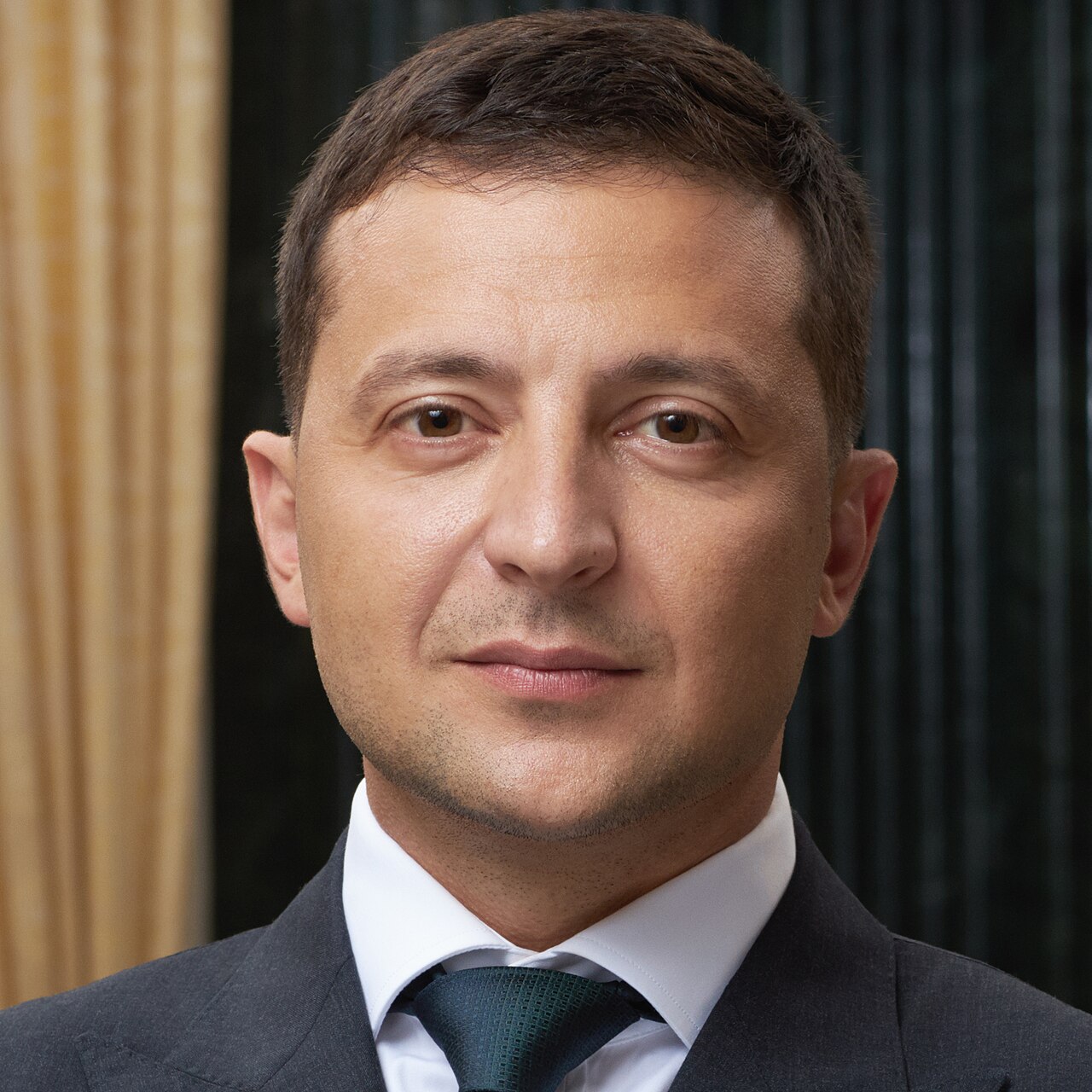
Ukrainian President Volodymyr Zelensky has accused certain European Union member states of attempting to pressure Kyiv into resuming the transit of Russian oil. On Tuesday, Zelensky characterized these actions as "blackmail," specifically referencing demands to reopen the Druzhba pipeline, which supplies Russian crude to Hungary and Slovakia.
Zelensky argued that restoring the oil flow through this Soviet-era pipeline, reportedly damaged by Russian attacks in January, would undermine the broader economic sanctions imposed on Moscow. He highlighted the inconsistency of allowing Russian oil transit through Ukraine while the EU simultaneously sanctions its sale elsewhere.
Pipeline Dispute and Sanctions
The dispute centers on the Druzhba pipeline, a critical artery for Russian oil to parts of Central Europe. Hungary, a landlocked nation heavily dependent on Russian energy imports, has reportedly linked its approval of a €90 billion loan package for Kyiv and new EU sanctions against Russia to the pipeline's operational status.
Kyiv's position is that facilitating Russian oil transit under these circumstances would be tantamount to lifting sanctions on Moscow. Zelensky expressed concern that Ukraine might be compelled to restore oil transit as a condition for receiving essential military aid, stating that his nation would be "powerless" in such a scenario.
Broader Geopolitical Concerns
Beyond the pipeline issue, President Zelensky also addressed the potential impact of the Middle East conflict on international support for Ukraine. He voiced apprehension that the escalating situation could divert the United States' attention and resources, potentially leading to delays or reductions in critical defensive supplies to Kyiv.
Zelensky also criticized a recent U.S. decision to temporarily ease sanctions on Russian oil purchases, arguing that such measures would primarily benefit Russia rather than global stability. This temporary waiver is reportedly set to expire on April 11.
Ukraine's Defense Production
In a related development, Zelensky emphasized Ukraine's growing capabilities in drone manufacturing, referring to them as "Ukrainian oil." He indicated a readiness to pursue a $50 billion joint production agreement with the United States, noting increased American interest in such a partnership following recent global events. Ukraine had previously proposed this collaborative defense initiative.
Implications
Country Impact: The dispute highlights internal divisions within the EU regarding sanctions policy and energy security, particularly for member states heavily reliant on Russian energy. Ukraine's stance underscores its commitment to maintaining pressure on Russia while navigating complex geopolitical alliances.
Industry Impact: The energy sector, particularly oil and gas transit, remains a critical point of contention, impacting supply routes and pricing for Central European nations. The focus on drone production signals a shift in defense industry priorities and potential for new international collaborations.
Market Impact: Uncertainty surrounding Russian oil transit and EU sanctions could introduce volatility in European energy markets. Geopolitical shifts, such as the Middle East conflict, may influence global defense spending and supply chains, potentially affecting commodity prices and investor confidence in defense stocks.