Yemen says it is ready for Houthi escalation
Yemeni officials said on July 27 they are ready for Houthi escalation after a maritime blockade and attacks, raising Red Sea shipping risk.
Mateo Fernandez ·
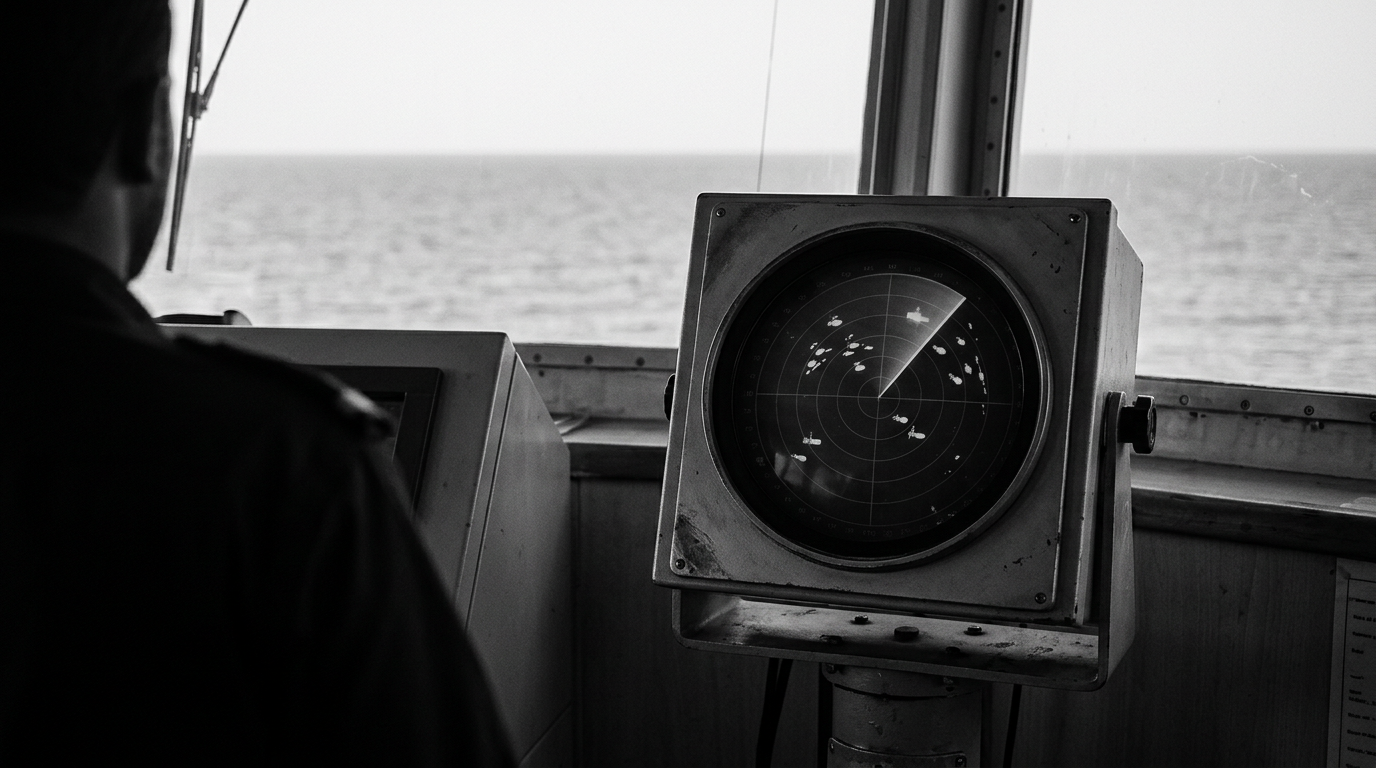
Yemeni officials said on July 27 that the country is prepared for a potential escalation by the Houthis after the group targeted Saudi Arabia and imposed what officials described as a maritime blockade. They warned the step could endanger commercial shipping in the Red Sea and risk drawing a wider regional conflict into the sea lanes.
In their statement, officials linked the move to a broader pattern of pressure that includes attacks on Saudi oil infrastructure. They said the new blockade targets shipping routes, raising the stakes for trade flows that rely on passage through the Red Sea.
Red Sea shipping concerns center on Bab al-Mandeb
Officials said the blockade has already triggered alarm among insurers and ship operators about transit through the Bab al-Mandeb choke point. The narrow corridor connects the Red Sea to the Gulf of Aden, making it a critical gateway for vessels moving between the region and wider international routes.
They said the near-term impact of a sustained blockade or continued attacks would most immediately be felt in logistics costs. In that scenario, officials said, freight rates and insurance premiums could rise as operators look for alternative options.
Officials outlined two potential adjustments by shippers if risks persist: rerouting voyages around the Cape of Good Hope or seeking naval escorts. Either option would add time, complexity, and cost to voyages, they said, while changing how companies plan schedules and manage risk.
Energy supply timing and security decisions in focus
Officials said disruptions along this corridor are watched closely in energy markets because higher costs and longer voyages can affect delivery timing for crude and refined products that move through the route. They added that security measures, such as escorts, can further raise operating expenses for ship owners and charterers.
They also said military and diplomatic responses could shape whether the situation intensifies in the short term. Yemen’s statement, officials noted, should be read as signaling preparedness rather than confirming that escalation is unavoidable.
Officials said it remains uncertain whether regional navies or international convoy arrangements will be deployed to keep shipping lanes open. They added that any such steps would be a key indicator of how governments and operators are responding to the risk environment.
Looking ahead, officials said they expect market and shipping indicators to begin shifting by August 3 if the blockade continues. They said outcomes will depend on whether routes are secured again or whether attacks expand further, leaving insurers, shipping firms, and governments watching for early signals of change.