Middle East War Pressures Asian Currencies and Food Prices
The U.S.-Israel-Iran conflict is causing significant global market strain, impacting Asian currencies, food prices, and energy costs.
Atlas Newsdesk ·
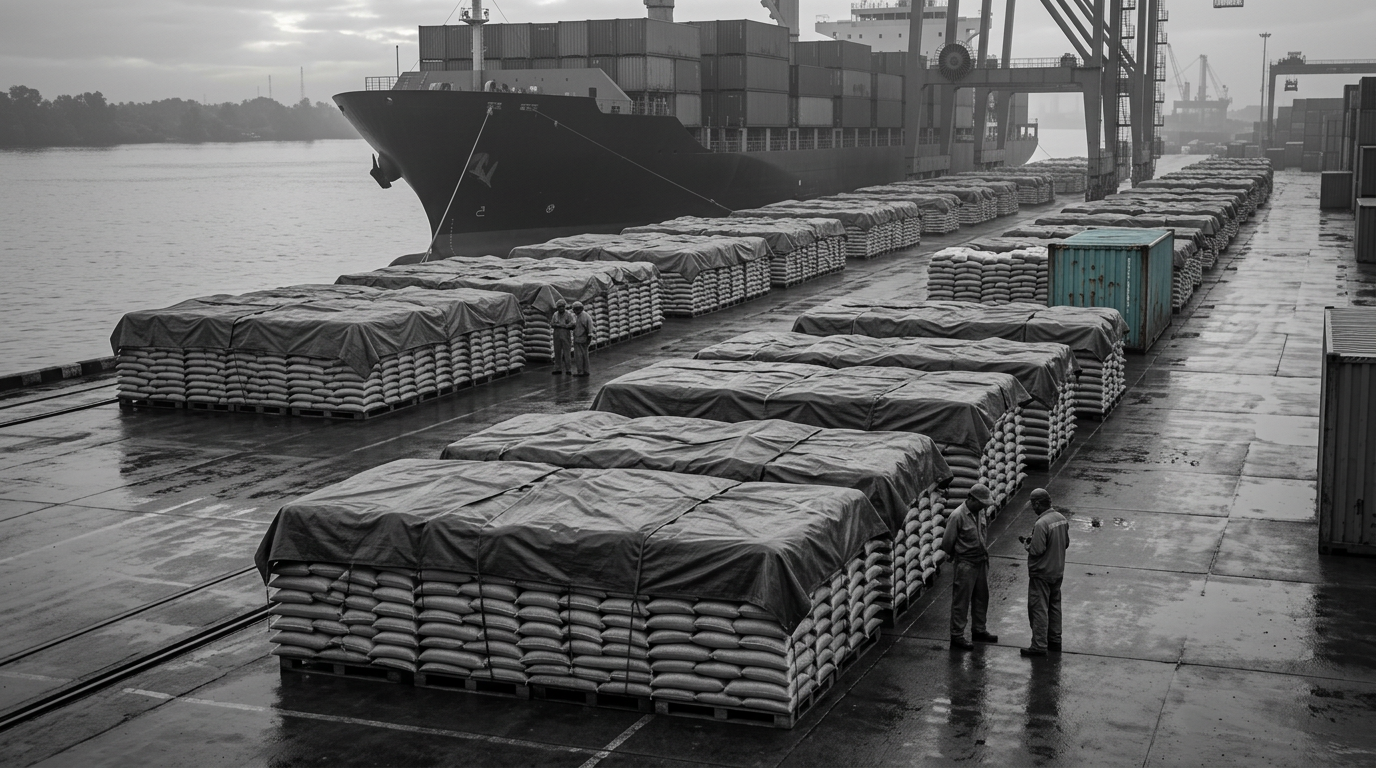
Financial markets have come under renewed strain as the conflict involving the United States, Israel and Iran, which began in February, ripples through currencies, energy-linked trade routes and inflation-sensitive staples. Asian foreign-exchange markets have been among the most exposed, reflecting the region’s heavy reliance on seaborne oil flows. Analysts are also watching whether higher shipping and fuel costs could feed into food prices and consumer inflation globally.
Currencies across Asia have weakened, with Indonesia’s rupiah hitting a record low and the currencies of India and the Philippines also reaching historic lows. The pressure has been linked to the region’s high exposure to oil trade through the Strait of Hormuz, where about 80% of seaborne oil shipments are usually destined for Asia.
Central banks in the region have intervened in currency markets and are weighing additional measures aimed at stabilizing exchange rates. The moves reflect concern that prolonged volatility could amplify imported inflation pressures for economies that depend on energy imports.
Japan’s yen has also faced renewed pressure, with analysts pointing to Japan’s low interest rates and its reliance on Middle Eastern oil imports. Japanese authorities have intervened as the yen approached 160 per dollar, but analysts have said a sustained recovery would likely require an easing of the conflict and higher interest rates.
Strait of Hormuz exposure raises energy and FX risks
Market focus has centered on how disruptions or risk premiums tied to the Strait of Hormuz could raise energy costs for Asian importers. Higher oil prices can weigh on currencies by worsening trade balances and increasing demand for dollars to pay for imports, especially for economies with large energy needs.
Positioning has also reflected the pressure on the yen. Net short positions have climbed to their highest level in nearly two years, underscoring bearish sentiment tied to energy sensitivity and interest-rate differentials.
Shipping costs and fertilizer supply add to food-price concerns
Beyond foreign exchange, the conflict has raised concerns about a fresh global food price shock. Fertilizer supplies are being squeezed and energy costs are rising, pressures that could be compounded by the El Nino weather phenomenon.
The Baltic shipping index has risen to its highest level since 2023, signaling higher shipping costs that can filter into the prices of traded goods, including agricultural inputs and food staples. Emerging economies, where food accounts for a larger share of inflation baskets, are seen as particularly vulnerable to another bout of food-price volatility.
Fuel prices have also been in focus. Average U.S. gasoline prices have risen from about $3 to more than $4.50 per gallon, a move that can squeeze consumers and add to broader inflation concerns.
Investors and policymakers will continue to watch currency interventions, shipping costs and consumer fuel prices for signs that the conflict is feeding into inflation and growth risks beyond the Middle East.